
Tanzania has hundred of tribes. They speak different languages, live different lives, and hold different beliefs. Yet across all of it, one language ties the country together: Swahili. No other nation in Africa has pulled off that kind of unity across that much diversity.
The people of Tanzania are one of the reasons a safari here hits differently from anywhere else. You are not just watching animals. You are moving through landscapes that communities like the Maasai, Hadzabe, and Chagga have lived in for centuries. Understanding who they are, how they live, and what their presence means in the ecosystem makes every game drive richer.
Quick Answers: People of Tanzania
- Tanzania’s 120+ tribes include: Sukuma, Nyamwezi, Chagga, Maasai, Hehe, Gogo, Hadzabe, Iraqw, Datoga, Makonde, Makua, Zaramo, Pare, Zigua, Haya, Sandawe, Fipa, Bena, Ngoni, Luguru, Pogoro, Safwa, Nyakyusa, Rangi, Mbugwe, Mwera, Yao, Makua, Digo, Rabai, Giryama, Kwere, Kaguru, Sagara, Vidunda, Gogo, Nguu, Shambaa, Bondei, Taita, Taveta, Arusha, Meru, Sonjo, Mbulu, Gorowa, Alawa, Burunge, Langi, Nilamba, Iambi, Isanzu, Kimbu, Konongo, Sumbwa, Zinza, Jiji, Kwaya, Kuria, Zanaki, Ikoma, Nata, Ikizu, Ngoreme, Ruri, Sizaki, Shashi, Ha, Vinza, Tongwe, Bende, Holoholo, Pimbwe, Rungwa, Sangu, Wanji, Kisi, Nyambo, Hangaza, Shubi, Subi, Kwavi, Assa, Dorobo.
- Around 95% of Tanzania’s population is of Bantu origin. Nilotic and Khoisan groups make up the rest.
- The Sukuma are the largest tribe, with roughly 10 million members, over 15% of the total population.
- Swahili (Kiswahili) is the national language and the unifying thread across all 120+ tribes.
- Tanzania’s population is over 70 million people as of 2026, with close to 65% living in rural areas.
How Many Tribes Are in Tanzania?
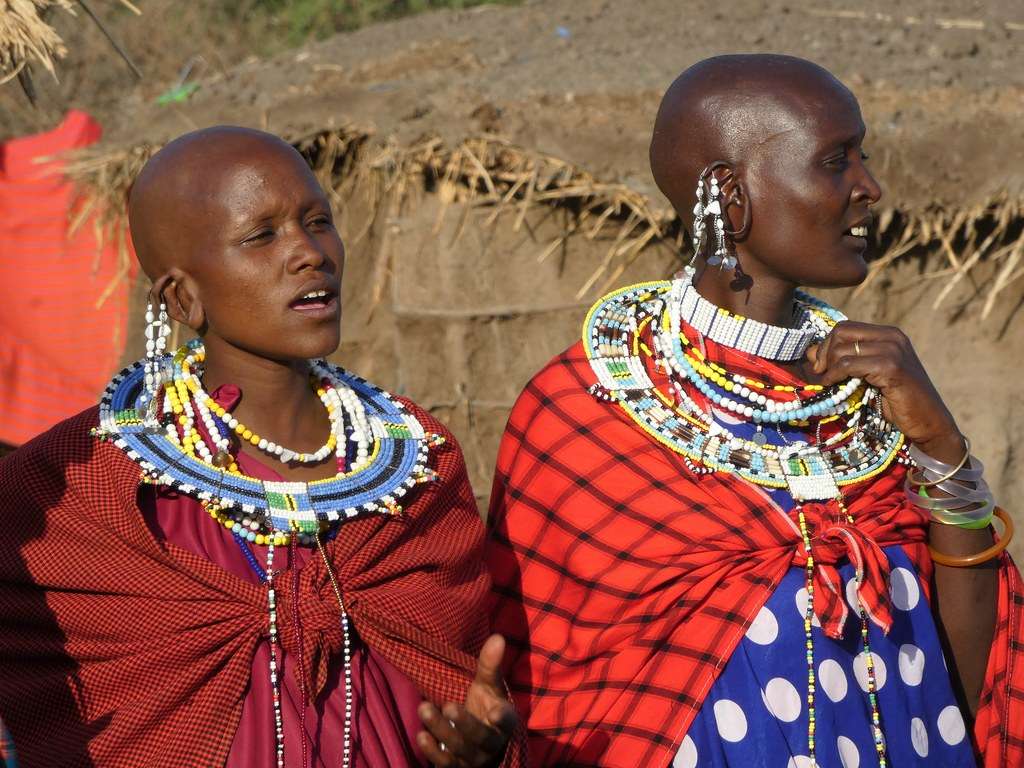
The commonly cited figure is over 120 distinct ethnic tribes in Tanzania. Some estimates go higher. The variation comes from how you count: some groups are closely related sub-clans of a larger tribe, while others are genuinely independent communities with their own language and customs.
The Major Tribes in Tanzania
The Sukuma Tribe:
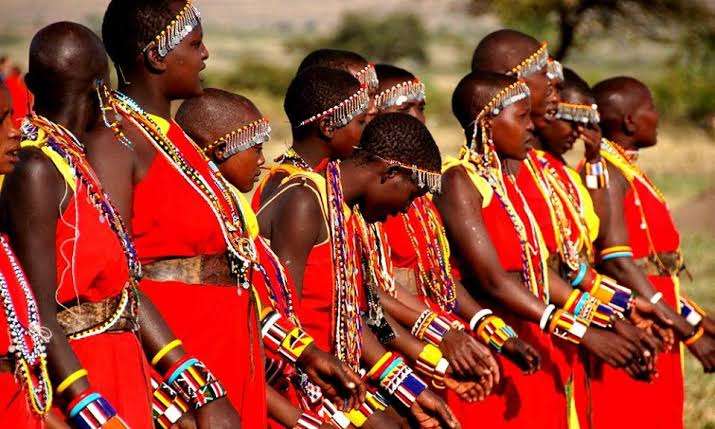
The Sukuma are the biggest ethnic group in Tanzania, with around 10 million members spread across the northwestern regions near Lake Victoria, primarily in the Mwanza and Shinyanga districts. They have lived there for several hundred years.
Farming is central to Sukuma life: cotton, rice, and maize are the main crops, with cattle farming alongside. Cattle carry social weight in Sukuma culture, not just economic value. Owning livestock signals status within the community.
Their dances are among the most distinctive in Tanzania. The Bugobogobo, sometimes called the snake dance, appears in medicinal and spiritual rituals and has been passed down through generations. If you visit the Bujora Cultural Center in Mwanza, there is a Sukuma Museum open to tourists, and on the right day, you will meet community members there directly.
Along with the Chagga, the Sukuma hold significant influence in Tanzanian business and politics.
The Chagga:
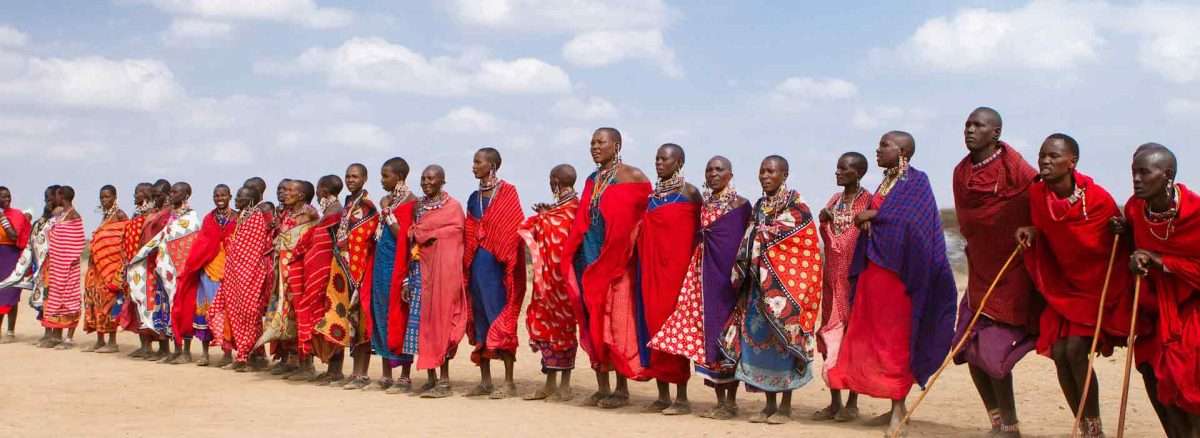
The Chagga, or Wachaga in Swahili, live on the fertile slopes of Mount Kilimanjaro in the northeast. Around two million people identify as Chagga today, and their territory, historically called Chaggaland or Uchaggani, has been continuously occupied for roughly 400 years.
Kilimanjaro’s volcanic soil is exceptionally productive, and the Chagga turned that into generational prosperity. Their Arabica coffee brings in most of the tribe’s income. Bananas and beans fill the local diet. The Chagga are considered the most economically prosperous and most educated tribe in Tanzania, with a long emphasis on schooling and family.
Before colonial contact, the Chagga were divided into sovereign states, each led by a ruler called a Mangi. German colonization in the late 18th century pushed them toward unity. Missionaries followed, and the Chagga became predominantly Christian, though traditional practices remain present.
Districts like Rombo offer a genuine look into Chagga village life, and some Tanzania safari itineraries include a short cultural stop in the area.
The Maasai:
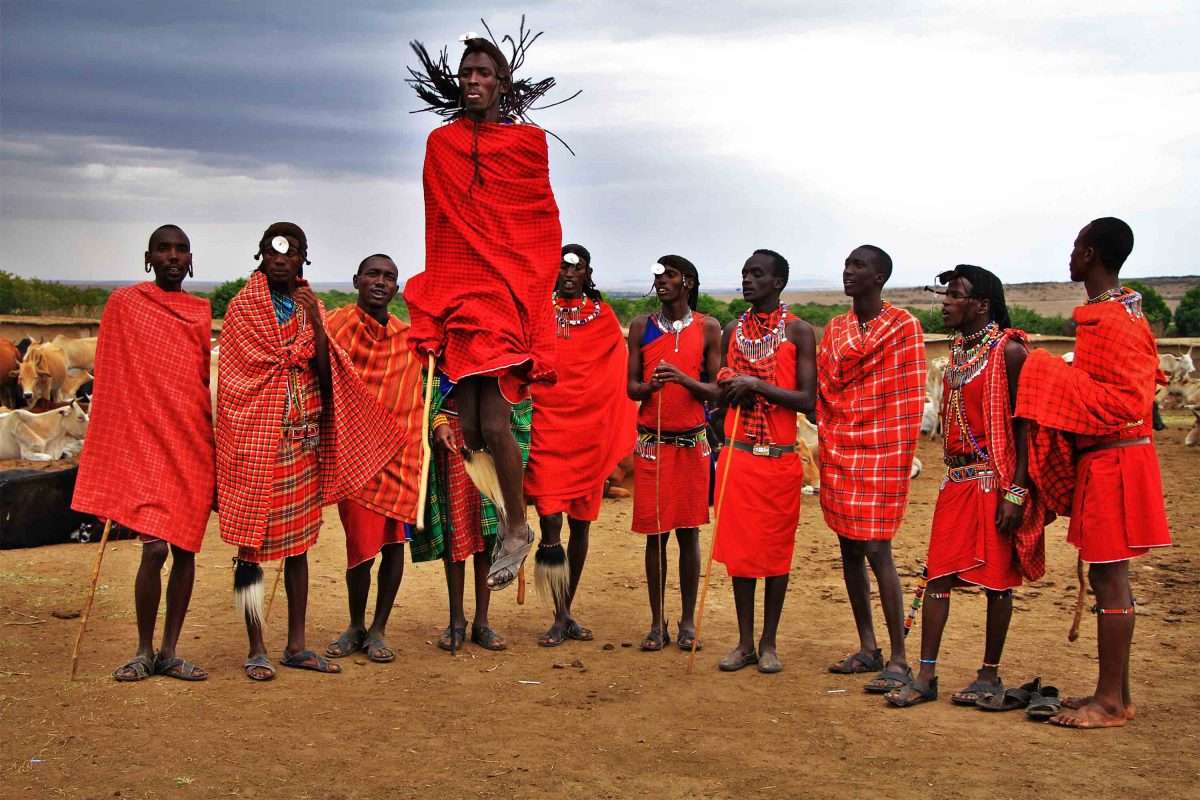
The Maasai are the most famous tribe in Tanzania, Africa, they need no introduction if you have seen a single image of East Africa. Their red shukas (cloths), beaded jewelry, and signature high-jump dance are globally recognized. But the Maasai are far more complex than any image suggests.
Originally from the Nile Valley in North Africa, the Maasai moved south from the 15th century onward and reached their peak influence across East Africa by the late 17th and 18th centuries. Today they live across northern Tanzania and southern Kenya, in and around the Serengeti, the Ngorongoro Conservation Area, and the Mara ecosystem.
The Maasai are semi-nomadic pastoralists. Cattle are everything: wealth, status, identity. A Maasai man’s standing in the community is directly linked to his herd. The warrior initiation ceremony, called Eunoto, marks the transition of young men into elderhood with new responsibilities within the community.
What makes the Maasai particularly interesting from a safari perspective is that they share territory with the very wildlife tourists come to see. They are not separate from the ecosystem; they are part of it. Their presence in Ngorongoro and the Serengeti is a conservation story as much as a cultural one.
Most northern Tanzania safari circuits include a visit to a Maasai boma (settlement). Done properly, with a community that welcomes visitors on their own terms, it is one of the more genuine cultural encounters available in Africa.
The Nyamwezi:
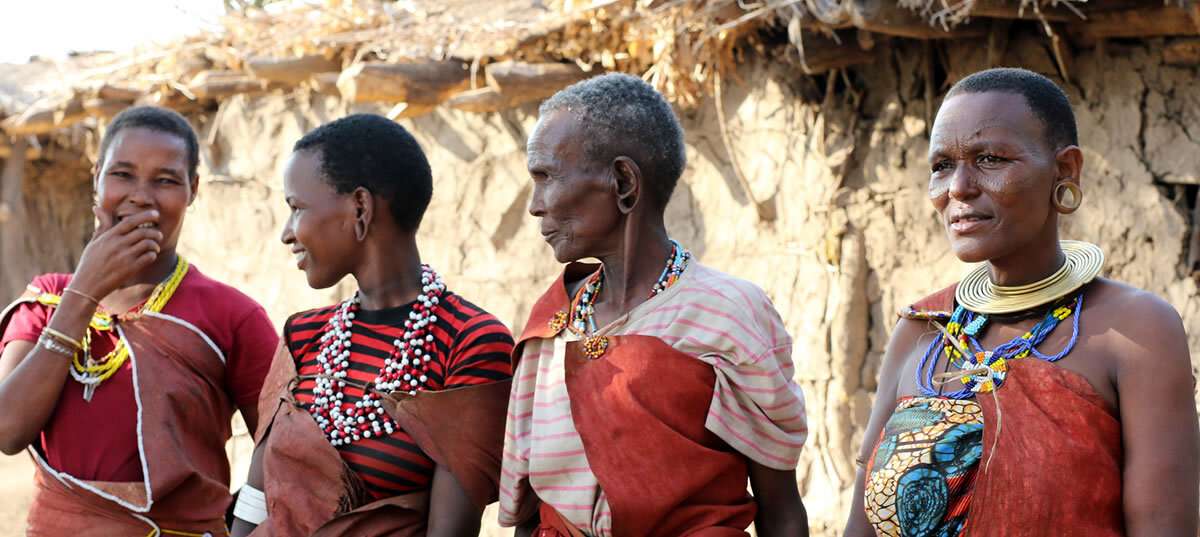
The Nyamwezi are Tanzania’s second-largest ethnic group, with around 1.5 million people living primarily in western and central Tanzania. Their name translates to “people of the moon,” a reference to their ancient traditions of moon worship.
They settled in west-central Tanzania in the 17th century and built several kingdoms, including Unyanyembe, which controlled the major trading city of Tabora and had close commercial ties to the Arabs of Zanzibar. The Nyamwezi were long-distance traders and explorers long before European contact.
Ancestral spirits hold a central place in traditional Nyamwezi belief, with rituals aimed at maintaining good relationships with those who came before. While Islam and Christianity have both influenced the tribe, the older beliefs around ancestry and the moon remain.
The Hadzabe:
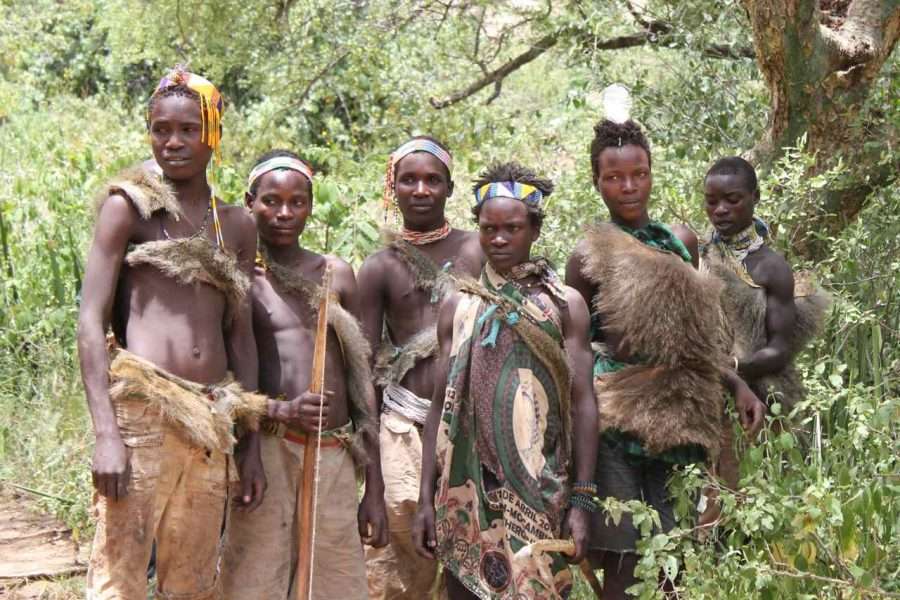
The Hadza, or Hadzabe, are one of the most extraordinary communities on earth. Fewer than 1,500 members remain in their traditional homeland between Lake Eyasi and the Serengeti Plateau. They are descended from the aboriginal peoples of Tanzania, and their way of life has changed remarkably little over thousands of years.
The Hadza have no social hierarchy, place no value on material possessions, and do not farm. They hunt with homemade bows and arrows and gather edible plants. Their language uses click sounds similar to the Khoisan languages of Southern Africa.
Life expectancy is low, around 33 for most adults, a direct result of their hunter-gatherer conditions. But the community remains. Their knowledge of the land, plants, and animal behavior is extraordinary and accumulated over generations.
It is possible to visit the Hadza in the Yaeda Valley. You can spend time hunting with them, walk their temporary campsites, and get a sense of what daily life looked like 15,000 years ago. This is not a performance. The Hadza live this way. It is the most honest cultural encounter Tanzania offers.
The Iraqw:
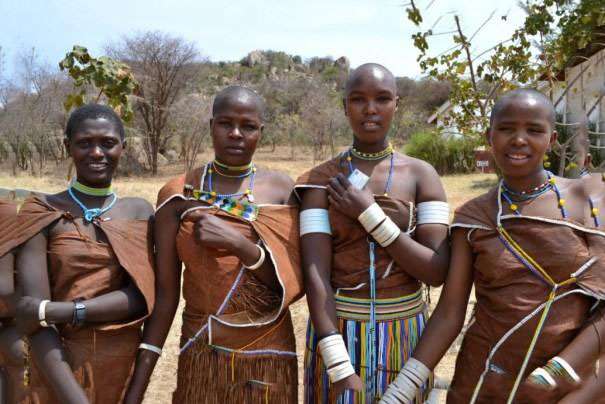
The Iraqw stand apart from most Tanzanian tribes because they speak a Cushitic language, from the Afroasiatic family, not the Bantu or Nilotic languages of their neighbors. They live in parts of the Arusha and Manyara regions, and their territory overlaps with the Ngorongoro Crater area.
They are agro-pastoralists: farming and livestock keeping combined. Historically, many Iraqw lived in underground or semi-underground dwellings, adapting to the terrain. Their women are recognizable for brightly colored clothing and beadwork; men typically wear gowns and sometimes turbans.
If you are heading into the Manyara or Ngorongoro region on safari, you are moving through Iraqw country.
The Datoga:
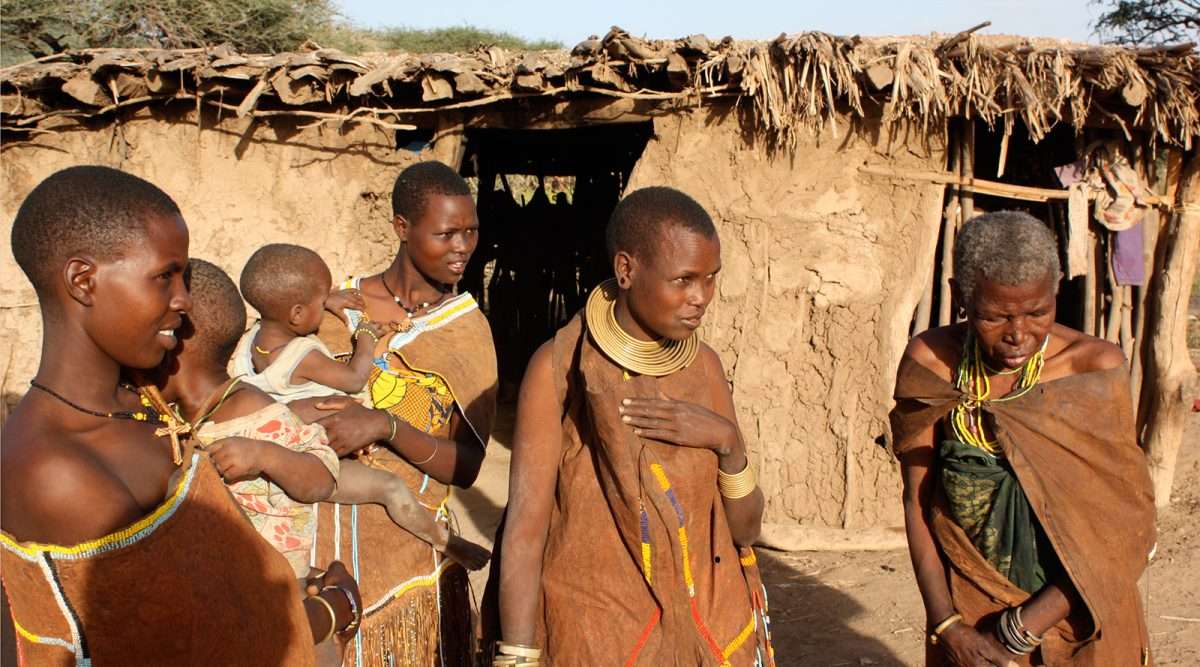
The Datoga live in the northern highlands near Lake Manyara and Lake Eyasi, often in proximity to the Hadzabe. They are pastoralists, and their cattle herds define their social structure and identity.
The Datoga are also skilled metal workers, particularly in brass. They make the jewelry worn by several other tribes including the Hadza. The relationship between the Datoga and Hadzabe is one of the more unusual inter-tribal dynamics in Tanzania: neighboring communities with almost opposite ways of life, trading with each other for generations.
The Makonde:
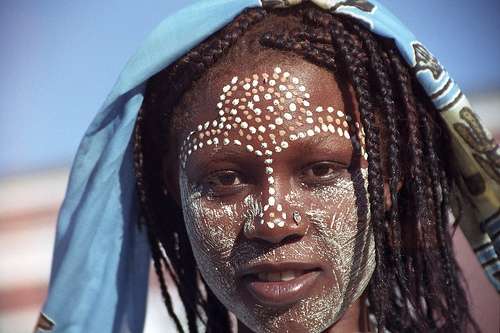
The Makonde tribe originated in Mozambique and crossed into Tanzania’s southern Mtwara region during the 18th and 19th centuries, largely to escape Arab slave traders and colonial rule. Over one million people in Tanzania identify as Makonde today.
Their woodcarvings are world-renowned. Using ebony, Makonde artists produce masks, ceremonial pieces, and sculptural works that incorporate human figures, animals, and abstract forms. These are not tourist trinkets: they are ritual objects and family heirlooms passed down through generations. Many Makonde carvers have moved north to sell in craft markets in Arusha and Dar es Salaam, where you can watch the work being made.
The Makonde have a matrilineal lineage system, meaning descent and inheritance pass through the mother’s side. Their annual initiation ceremony, Nguvumali, marks the transition of both boys and girls into adulthood through traditional teaching and symbolic ritual.
The Hehe:
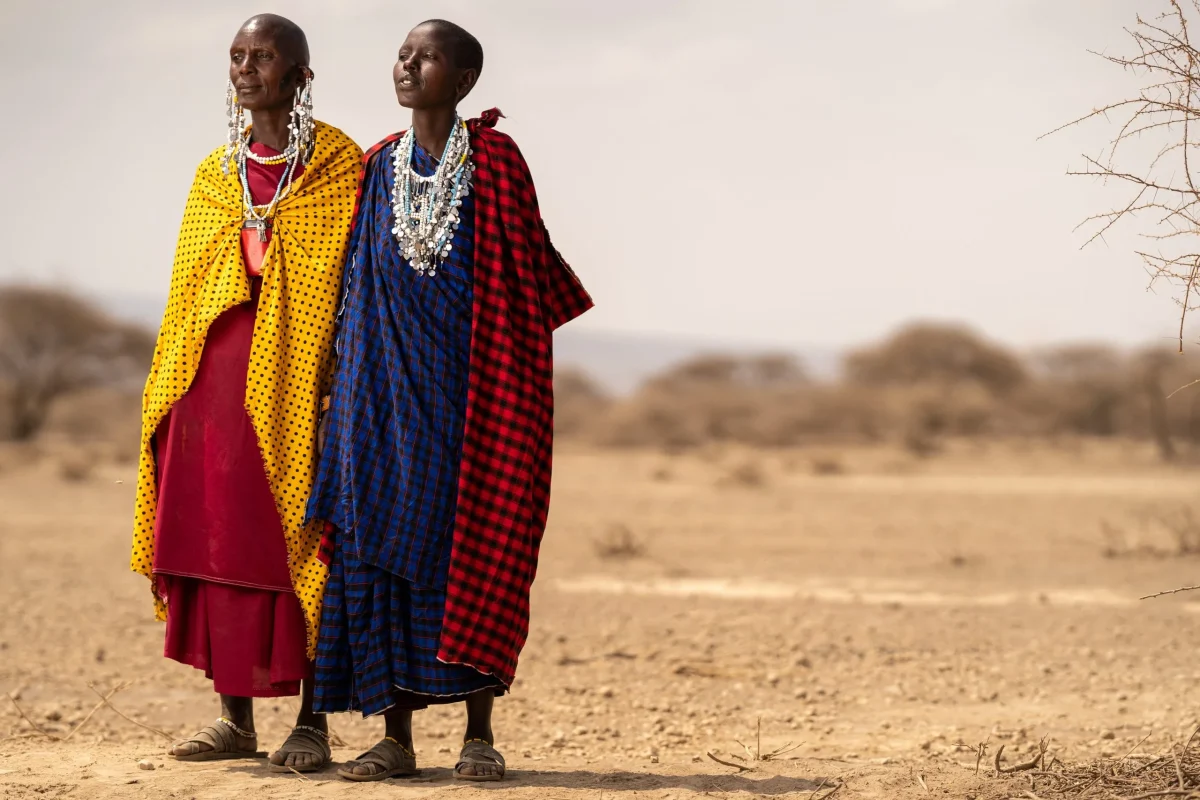
The Hehe live primarily in the Iringa region of south-central Tanzania. They are well known historically for their resistance: in the late 19th century, under Chief Mkwawa, the Hehe fought German colonial forces more effectively than nearly any other tribe in the region.
Mkwawa’s skull was taken to Germany after his death; it was returned to Tanzania in 1954 and is now housed at the Mkwawa Memorial Museum in Iringa. The Hehe remember this history.
More than 1.5 million Hehe live in Tanzania today. Farming and cattle rearing remain central to daily life. Their U-shaped mud houses are distinctive and easily recognizable if you travel through the Iringa highlands.
The Gogo:
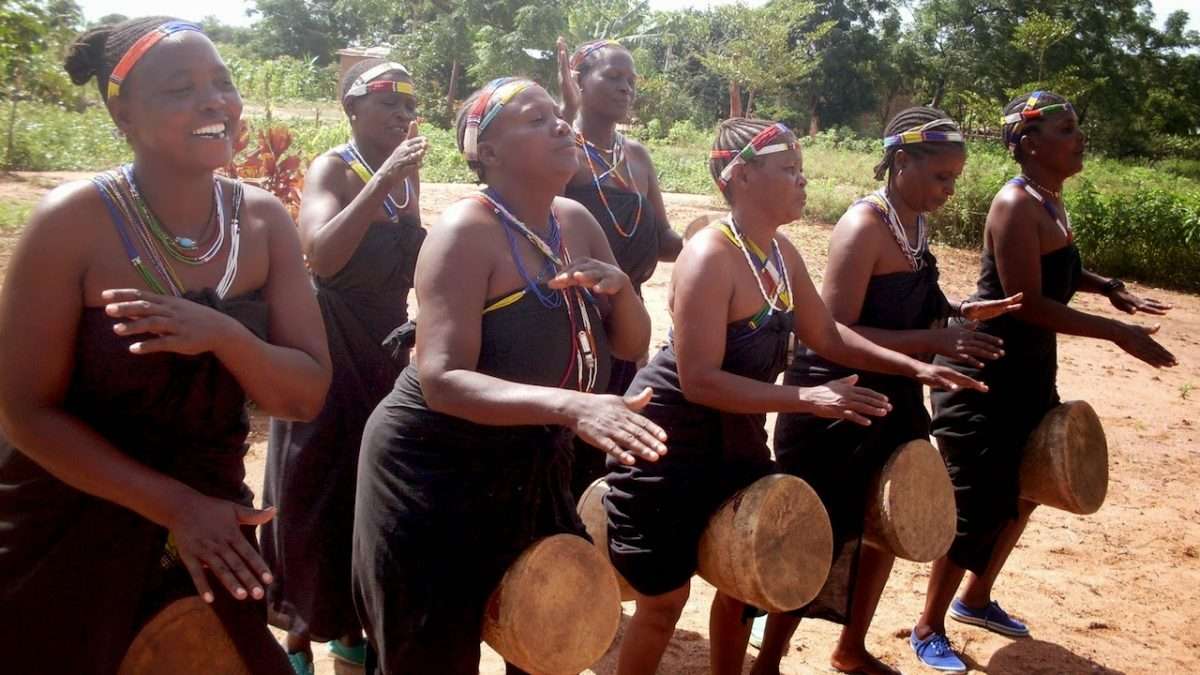
The Gogo are over 3 million strong in the Dodoma region of central Tanzania. They migrated from northeastern Africa (historically called Nubia) and established themselves in the semi-arid central plateau, where drought is a recurring challenge.
The Gogo have developed agricultural practices specifically adapted to dry conditions, making use of whatever water and soil the land provides. Cattle hold the same dual role here as with many Tanzanian tribes: income and social status.
Music is deeply embedded in Gogo culture. The ndono (a calabash-based single-string instrument) and the zeze (a two-string instrument) appear regularly in village performances. If you travel through Dodoma, the music finds you.
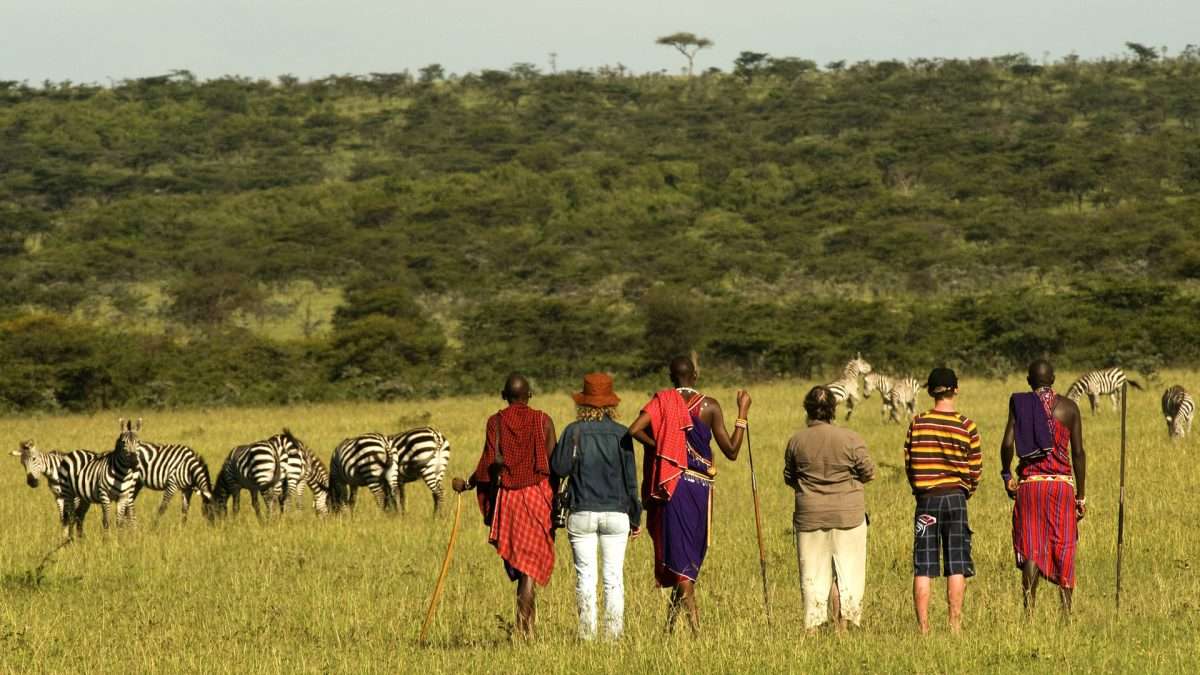 Tanzania’s People: Religion, Language, and Daily Life
Tanzania is home to roughly equal proportions of Christians and Muslims, with a third of the population following traditional indigenous belief systems, sometimes alongside Christianity or Islam. The Zanzibar archipelago is predominantly Muslim. The mainland has more mix.
Swahili is the great unifier. It is the national language, the language of markets, of government, of music, and of everyday life across all 120+ tribes. English is the second official language, used in higher education and business. Beyond these, over 100 languages are spoken, each belonging to a specific tribe or community.
About 65% of Tanzanians live in rural areas and depend primarily on agriculture. The arts are strong: Makonde carving, Tingatinga painting (a vivid, flat-perspective East African art form), traditional dance, and drum music are all live traditions, not museum pieces.
Meeting the People of Tanzania on Safari

The best Tanzania safaris do not just move you between game drives. They put you in places where the cultural and natural worlds overlap. A Maasai guide who knows the Ngorongoro Conservation Area is not just a driver. A Hadzabe tracker near Lake Eyasi is showing you how people have read this land for thousands of years.
TourwithPipi builds cultural encounters into our Tanzania safari itineraries where they are genuine and appropriate. Every package includes a private 4×4 Land Cruiser, a certified English-speaking guide, full board meals, all park fees, airport transfers, and emergency medical evacuation cover.
7-Day Classic Tanzania Safari — From $3,109 Tarangire, Ngorongoro Crater, and Central Serengeti. Maasai territory throughout. The right starting point for any first Tanzania safari.
10-Day Tanzania Great Migration Safari — From $5,479 Built around the Mara River crossings from July to October, with Tarangire and Ngorongoro included. You are deep inside Maasai and Iraqw country for the full duration.
10-Day Tanzania Calving Season Safari — From $4,839 January and February on the Ndutu Plains when predator activity peaks. The southern Serengeti is also where the Hadzabe and Datoga communities live closest to the safari circuit.
9-Day Tanzania Safari with Zanzibar — From $4,869 The northern circuit plus three nights on Zanzibar’s Indian Ocean coast, where Swahili Arab culture and architecture have been layered over centuries. Stone Town alone is a UNESCO World Heritage Site worth two days.
Explore all Tanzania safari packages or talk to our team on WhatsApp to plan your itinerary.
How to Interact with Tanzania’s Tribes on Safari

Greetings
- Jambo = hello. Asante = thank you. Habari = how are you. Even basic Swahili gets a warm response.
- Handshakes often linger longer than you expect. Do not pull away early.
- With the Maasai, greet elders first. Your guide will show you the right approach. Follow them.
Talking to People
- Ask about daily life, not “culture” as a concept. What do they cook? What do children learn first? These open real conversations.
- Let your guide make introductions. Do not walk into a home or compound without being invited in.
- Do not frame questions around poverty or compare what you see to life back home.
Photography
- Ask every time, without exception. Never assume.
- Many communities charge a small fee for photos. Pay it without negotiating.
- Put the camera down for the first part of any visit. Engage first. The photos come after.
- If someone says no, accept it and move on.
Understanding Their Traditions
- Age commands respect across almost all Tanzanian tribes. Greet elders first. Stand when one enters a room.
- Use your right hand when giving or receiving anything. The left hand is considered impolite across most of East Africa.
- Do not touch a Maasai warrior’s spear or a Hadza bow without being invited to. These are not props.
- Modest clothing is always the right call. Covered shoulders and knees are expected in Zanzibar and coastal Muslim communities.
- Pointing with one finger is rude in most Tanzanian contexts. Use your whole hand instead.
Buying Crafts
- Buy directly from the maker where possible. Makonde carvers, Maasai beadwork sellers, Chagga coffee farmers: buying direct puts money in the right hands.
- Do not bargain aggressively with individuals from tribal communities. The difference is small for you and significant for them.
Key Takeaways
- Tanzania has over 120 tribes with a total population of over 70 million people. Swahili unites them all.
- The Sukuma are the largest tribe (10 million+), followed by the Nyamwezi. The Maasai are the most recognizable internationally.
- The Hadzabe are among the last hunter-gatherer communities on earth, living near Lake Eyasi with a lifestyle unchanged for thousands of years.
- Most tribes are of Bantu origin, with Nilotic groups (Maasai, Datoga) and Cushitic groups (Iraqw) forming distinct communities in the north.
- About 65% of Tanzanians live rurally, with agriculture as the primary livelihood. Cattle carry social and economic weight across many tribes.
- The Makonde are Tanzania’s most famous artisans. Their ebony woodcarvings are found in markets in Arusha and Dar es Salaam.
- Religious life in Tanzania combines Christianity, Islam, and traditional belief systems, often in the same community or household.
- Meeting the people of Tanzania directly, through responsible cultural encounters on safari, is as memorable as any wildlife sighting.
Frequently Asked Questions
How many tribes are in Tanzania?
Tanzania has over 120 distinct ethnic tribes, though some estimates go higher depending on how sub-clans are counted. They represent Bantu, Nilotic, Cushitic, and Khoisan language families.
What is the largest tribe in Tanzania?
The Sukuma are the largest ethnic group in Tanzania, with around 10 million members. They live primarily in the northwestern regions near Lake Victoria and account for over 15% of the total population.
Who are the people of Tanzania?
Tanzania’s population of over 70 million people is one of the most ethnically diverse in Africa, with 120+ tribes. Around 95% are of Bantu origin. They are widely known for warmth, hospitality, and a strong national identity built around the Swahili language.
What language do the people of Tanzania speak?
Swahili (Kiswahili) is the national language spoken across all tribes. English is the second official language. Over 100 additional languages are spoken by individual tribes, including Maa (Maasai), Hehe, Iraqw, and Chagga.
Who are the Maasai people of Tanzania?
The Maasai are a Nilotic semi-nomadic pastoralist tribe living across northern Tanzania and southern Kenya. They are known for their red shukas, beaded jewelry, cattle herding culture, and warrior traditions. They share territory with the wildlife of the Serengeti and Ngorongoro Conservation Area.
Who are the Hadzabe of Tanzania?
The Hadzabe are one of the last hunter-gatherer communities on earth, with fewer than 1,500 members remaining near Lake Eyasi in northern Tanzania. They hunt with homemade bows and arrows, speak a click language, and have maintained their lifestyle largely unchanged for thousands of years.
Can you visit Tanzania tribes on safari?
Yes. Many Tanzania safari itineraries include cultural visits, most commonly to Maasai communities in the northern circuit. Visits to Hadzabe communities near Lake Eyasi and Sukuma cultural sites in Mwanza are also available. TourwithPipi can incorporate these into any private itinerary.
What is the religion of Tanzania’s tribes?
Tanzania has a roughly equal split between Christianity and Islam, with a significant portion of the population also practicing traditional indigenous belief systems. The Zanzibar islands are predominantly Muslim. Many tribes combine elements of traditional spirituality with Christianity or Islam.
What are the Chagga people known for?
The Chagga are Tanzania’s most economically prosperous tribe, known for Arabica coffee farming on the fertile slopes of Mount Kilimanjaro, high educational attainment, and a long history of organized governance under traditional rulers called Mangi.
What are the Makonde people famous for?
The Makonde are internationally recognized for their woodcarving in ebony, producing masks, ceremonial objects, and sculptural works that carry deep cultural and spiritual meaning. Their carvings are sold in craft markets in Arusha and Dar es Salaam and exported worldwide.


