
The price to climb Kilimanjaro in 2026/ 2027 usually cost between $1,500 and $6000+ per person, this price includes all your park fees, guides, porters, food & lodging, with budget trips starting around $1,500-$2,500 & luxury package exceeding $6,000. The final price depends heavily on the chosen route (longer routes cost more), tour operator’s reputation, group size, and included amenities, plus extra costs for flights, gear, visas, and tips.
Most Kilimanjaro trek prices vary because each climb includes different park fees, staff requirements, logistics, equipment standards, and safety measures. Operators also price their climbs differently based on the number of support staff, food quality, tent condition, and guide training.
Understanding these differences is important because the cost of climbing Mount Kilimanjaro is shaped by fixed government charges as well as the operational expenses of running a safe trek. This guide explains every cost component clearly, including park fees, staff wages, equipment, meals, water systems, route length, and other costs you should plan for.
Why Kilimanjaro Climbing Cost Vary So Much Between Operators
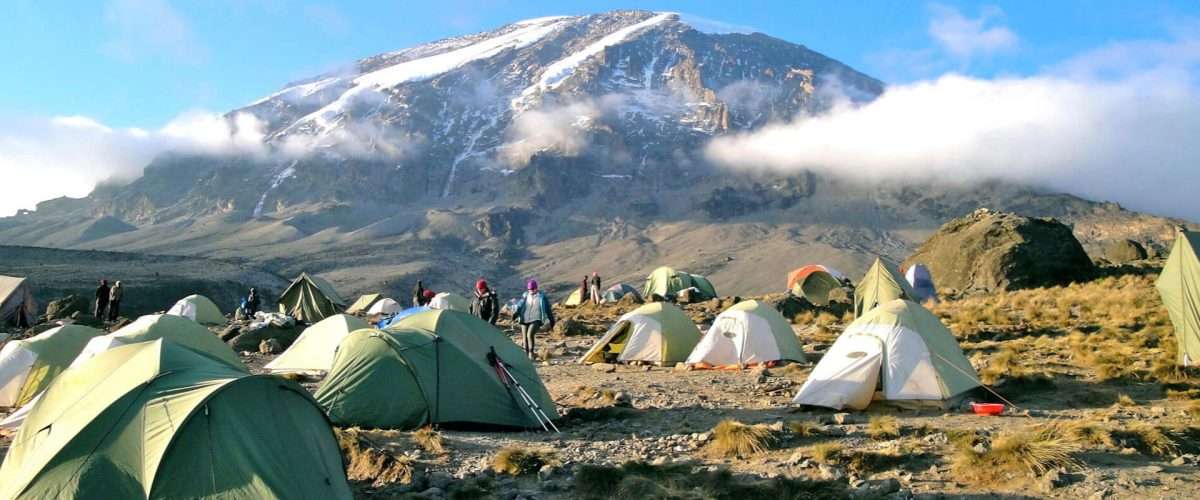
Kilimanjaro costs differ widely because every climb includes fixed government fees and operational expenses that increase with each day on the mountain. The main price drivers are the following:
1. Park Fees
Kilimanjaro National Park charges several mandatory fees for every climber and every staff member:
Conservation fees: $70 per person per day
Campsite or hut fees: $50–$60 per night
Rescue fee: $20 per person per trip
Staff entrance fees: $2 per staff member per trip
Because these fees apply daily, a longer itinerary such as an 8-day route can cost operators $900–$1,100 per climber in park fees alone.
2. Taxes and VAT
Tanzania charges 18% VAT on all mountain services to all Kilimanjaro operators.. This tax applies to guide wages, accommodation, trip operations, and all climb-related logistics, which increases the total cost significantly.
3. Staff Wages and Ratios
A Kilimanjaro climb requires guides, porters, cooks, and camp crew.
Most reputable operators maintain:
1 guide for every 2–3 climbers
3–4 porters per climber depending on route
Daily wage expenses average $80–$150 per climber per day, depending on group size and route logistics.
4. Food and Water Logistics
Food must be carried, stored, and cooked safely at high altitude. Operators budget:
$10–$20 per climber per day for food, including food for staff
Daily fresh water purification
Additional resupply runs on longer routes
High-quality meals and safe drinking water increase operating costs but support acclimatization.
5. Equipment Quality and Maintenance
Equipment wear is high on Kilimanjaro due to constant exposure to wind, dust, and cold. Operators must maintain:
Four-season sleeping tents
Dining tents, tables, and chairs
Toilet tents (if provided)
Cooking gear
Emergency gear such as oxygen and stretchers
Replacing tents, stoves, and mattresses regularly is a major cost factor.
6. Route Length and Days on the Mountain
Longer routes cost more because every additional day adds:
Extra park fees
More food and water
Higher staff wages
Increased equipment use
A 6-day climb is significantly cheaper to operate than an 8- or 9-day itinerary, which is why Kilimanjaro trek prices increase quickly as the route length grows.
What is the Cost to Climb Mount Kilimanjaro for the Most Popular Routes at TourwithPipi 2026
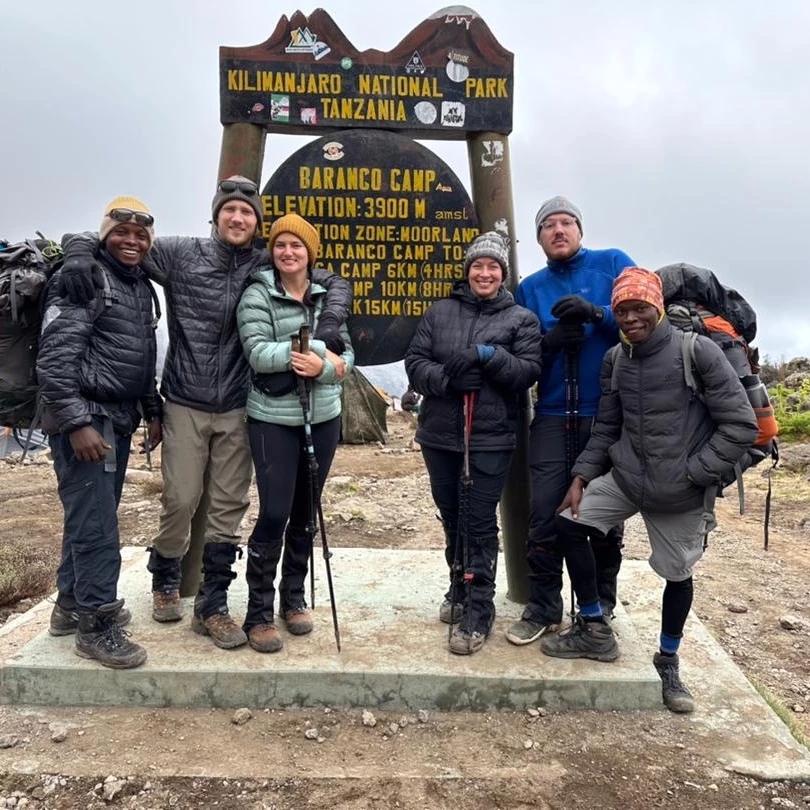
Kilimanjaro trek prices depend on the route length, acclimatization profile, and support level. The following 2026 prices reflect standard mid-range packages with full safety and support.
1. Climb Kilimanjaro Machame Route: 7 Days ($2,639)
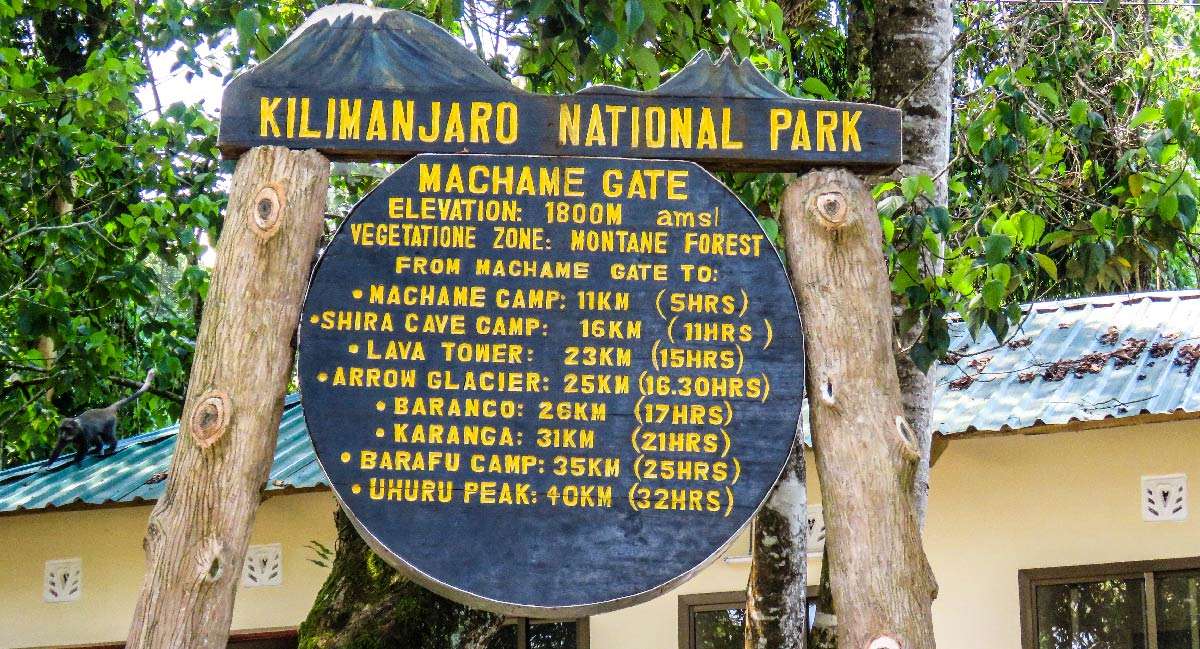
The cost to climb this 7-day Mount Kilimanjaro Machame Route starts at $2,639 per person, offering a balanced itinerary with strong acclimatization. It remains one of the most scenic and popular Kilimanjaro routes. This price includes full camping, meals, purified water, and a complete support team throughout the trek.
When people research the cost of climbing Mt Kilimanjaro, this route often stands out because it delivers a higher summit success rate compared to shorter itineraries.
Over seven days, you move steadily through Kilimanjaro’s changing ecosystems. The trek begins in lush rainforest filled with birds and colobus monkeys, climbs into heath and moorland zones with dramatic lava ridges, and continues into alpine desert before reaching the Roof of Africa at Uhuru Peak. This gradual ascent is why the climbing Mt Kilimanjaro cost on a 7-day Machame route offers better value than cheaper, rushed climbs.
Each night, you rest in quality mountain tents, supported by a professional local crew trained to manage altitude, pacing, and safety. When evaluating the true Mt Kilimanjaro cost, the level of support on the mountain is one of the most important factors, and this itinerary includes a strong crew-to-climber ratio for comfort and safety. Check Itinerary Here!
What’s Included in the Cost to Climb Mt Kilimanjaro
This cost to climb Kilimanjaro is structured to cover all essential logistics on and off the mountain:
All airport transfers
Meet and greet service on arrival
Welcome refreshment and care package
Two nights in a 3-star hotel before and after the climb (bed and breakfast, shared)
High-quality sleeping and mess tents with foam mattresses or hut stays where applicable
All meals and drinking water during the climb
Fully supported trek with an average 4:1 support staff to climber ratio
Access to first aid kits and emergency oxygen
National Park entry, climbing, conservation, and rescue fees
Private portable toilet
Official summit certificate
These inclusions explain why the cost to climb Mt Kilimanjaro on this route reflects real value rather than just a low headline price.
What’s Not Included in the Climbing Mt Kilimanjaro Cost
To keep pricing transparent, the following are not included in the Mt Kilimanjaro cost:
International airfare and visa fees
Personal expenses such as laundry, souvenirs, or minibar items
Meals and beverages outside what is specified
Personal trekking gear
Tips and gratuities for guides, porters, and hotel staff
Travel insurance (must cover trekking up to 6,000 m; can be arranged at extra cost)
Optional activities or itinerary changes
For trekkers comparing how much does it cost to climb Mt Kilimanjaro, this 7-day Machame Route offers one of the strongest combinations of price, safety, acclimatization, and overall experience.
2. Cost to Mount Climb Kilimanjaro Lemosho Route: 8 Days ($2,939)
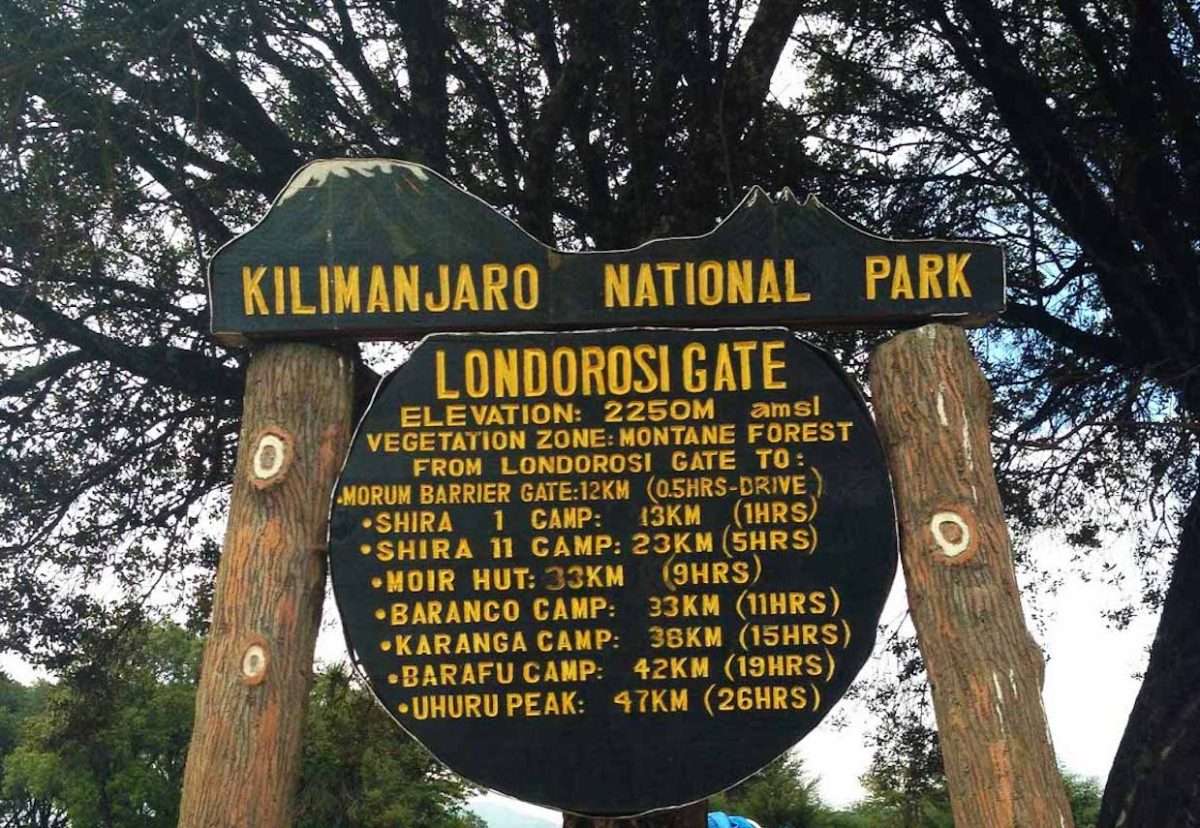
The cost to climb Mt Kilimanjaro on the 8-day Lemosho Route is $2,939 per person, placing it in the premium category for travelers who want the best balance of scenery, acclimatization, and summit success. When people ask how much does it cost to climb Mt Kilimanjaro with the highest success rate, the Lemosho Route is often the answer.
This route starts on the quieter western side of the mountain, which means fewer crowds and a more gradual ascent. That slower elevation gain is the main reason the cost of climbing Mt Kilimanjaro on Lemosho delivers strong value despite being higher than shorter routes. More time on the mountain allows your body to adapt, improving comfort and safety.
Over eight days, you move through Kilimanjaro’s most dramatic landscapes. The trek begins in dense rainforest, transitions into wide-open moorlands, crosses the stark alpine desert, and finally leads to Uhuru Peak, the Roof of Africa. The views are broad and uninterrupted, especially across the Shira Plateau, making this one of the most scenic ways to experience the mountain.
Each night, you stay in quality mountain tents prepared by a skilled local crew. Meals are freshly prepared, water is treated, and camps are set up ahead of your arrival. When comparing the climbing Mt Kilimanjaro cost, the level of crew support and logistics on the Lemosho Route is a key reason many climbers choose it. Check full Itinerary Here!
What’s Included in the Cost to Climb Kilimanjaro (Lemosho Route)
This Mt Kilimanjaro cost covers all essential services for a safe and well-supported climb:
All airport transfers
Meet and greet service on arrival
Welcome refreshment and care package
Pre- and post-trek accommodation in a 3-star hotel (bed and breakfast, shared)
High-quality sleeping tents with comfortable sleeping bags or hut stays where applicable
All meals and drinking water on the mountain
Fully supported climb with an average 4:1 support staff to climber ratio
Access to first aid kit and emergency oxygen
National Park entry, climbing, conservation, and rescue fees
Shared private portable toilet
Official summit certificate
These inclusions explain why the cost to climb Mt Kilimanjaro via the Lemosho Route reflects a premium but well-justified price.
What’s Not Included in the Cost of Climbing Mt Kilimanjaro
To keep pricing transparent, the following are not included:
International airfare and visa fees
Personal expenses such as laundry, souvenirs, or minibar items
Meals and beverages not specified in the itinerary
Personal trekking gear
Travel insurance (must cover trekking up to 6,000 meters; can be arranged at an additional cost)
Tips and gratuities for guides, porters, and drivers
Any itinerary changes or optional activities
For trekkers comparing Mt Kilimanjaro cost, the 8-day Lemosho Route offers one of the highest success rates, the best scenery, and a well-paced ascent, making it a smart choice for those who value experience, safety, and long-term memories over rushing to the summit.
3. Cost to Climb Kilimanjaro Marangu Route: 6 Days ($2,179)
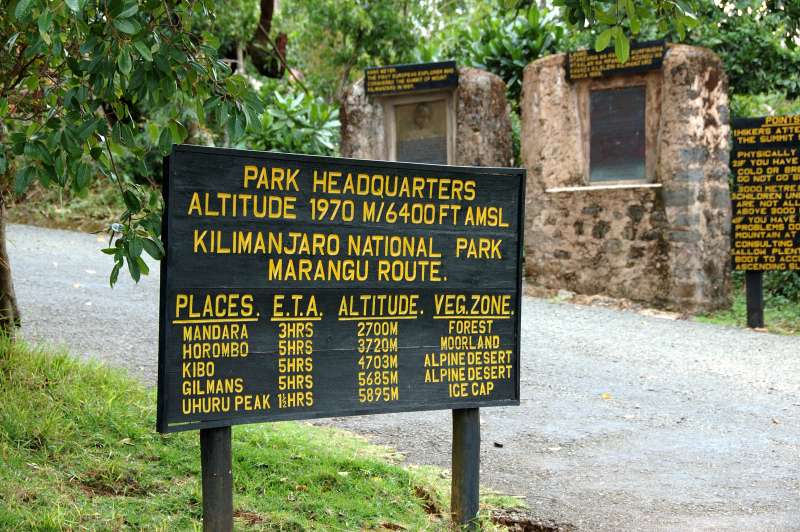
The cost to climb Mt Kilimanjaro on the 6-day Marangu Route is $2,179 per person, making it one of the most accessible options for trekkers comparing the cost of climbing Mt Kilimanjaro with comfort-focused logistics. Often called the “Coca-Cola Route,” Marangu is the only trail that offers mountain hut accommodation instead of tents, which simplifies the climb and reduces the overall gear load.
This shorter itinerary explains the lower climbing Mt Kilimanjaro cost, though it also means less acclimatization time compared to longer routes like Machame or Lemosho. It is best suited for climbers who prefer structured facilities, defined trails, and sleeping indoors rather than camping.
Over six days, you move through Kilimanjaro’s full range of landscapes. The trek begins in lush rainforest, where colobus monkeys and tropical birdlife are common. You then climb through heath and moorland zones before crossing the open Saddle, a stark alpine desert between Mawenzi and Kibo. Summit morning brings a steady ascent to Uhuru Peak, where sunrise reveals sweeping views across Africa from the Roof of the Continent.
What makes this route appealing for many travelers asking how much does it cost to climb Mt Kilimanjaro is the blend of moderate pricing, hut comfort, and strong logistical support. While the ascent is more direct, the experience remains deeply rewarding when guided properly. Check Full Itinerary Here!
What’s Included in the Cost to Climb Kilimanjaro (Marangu Route)
This Mt Kilimanjaro cost includes all essential services for a safe and organized climb:
All airport transfers
Meet and greet service on arrival
Welcome refreshment and care package
Two nights in a 4-star hotel before and after the climb (bed and breakfast, shared)
Mountain hut accommodation and high-quality mess facilities
All meals and drinking water on the mountain
Fully supported climb with an average 4:1 support staff to climber ratio
Access to first aid kit and emergency oxygen
National Park entry, climbing, conservation, and rescue fees
Emergency evacuation cover
Shared portable toilets
Official summit certificate
These inclusions ensure the cost to climb Kilimanjaro reflects real operational value rather than just a headline price.
What’s Not Included in the Cost of Climbing Mt Kilimanjaro
To keep pricing clear and transparent, the following are not included:
International airfare and visa fees
Personal expenses such as laundry, souvenirs, or minibar items
Meals and beverages not specified in the itinerary
Personal trekking gear
Travel insurance (must cover trekking up to 6,000 meters; available at additional cost)
Tips and gratuities for guides, porters, and hotel staff
Any itinerary changes or optional activities
For climbers prioritizing indoor accommodation, straightforward logistics, and a lower Mt Kilimanjaro cost, the 6-day Marangu Route remains a practical choice, especially when guided by an experienced team focused on safety and support.
Staff Wages and Ethical Crew Support: How It Impacts Kilimanjaro Costs
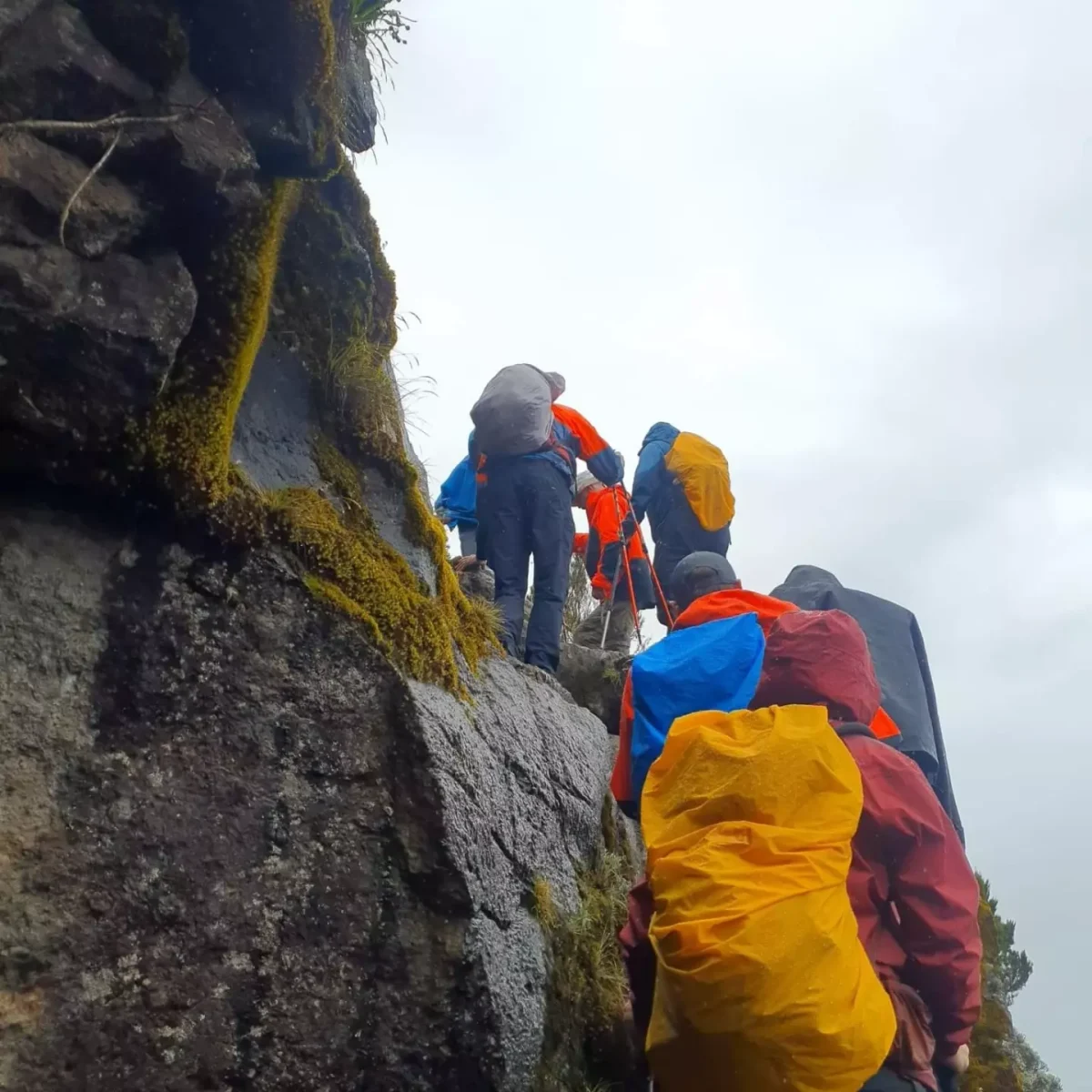
Staff wages form a major part of Kilimanjaro pricing. Each trek requires certified guides, a cook, and several porters to support the group. Standard practice limits porter loads to 20kg, which increases the total number of staff needed per climber. Most regulated operators maintain an average of three to four porters per person, plus guides and assistants.
Ethical employment directly influences Kilimanjaro costs. Fair wages, proper cold-weather gear, safe sleeping arrangements, and daily health checks ensure the team can work safely at altitude. Operators offering extremely low prices usually cut costs by reducing wages, overloading porters, or using untrained staff. These practices affect safety, camp operations, and the overall success rate. Responsible staffing is essential for a safe and reliable ascent. These items vary between climbers and are not included in standard route pricing.
Additional Costs to Budget for Your Mount Kilimanjaro Climb
The Kilimanjaro climbing cost extends beyond the main trek fee. Climbers should budget for additional expenses that vary by traveler:
Typical additional cost ranges:
Flights to Tanzania: $900–$1,800 depending on origin
Pre-climb medical checks & vaccinations: $100–$350
Malaria prophylaxis: $30–$90
Travel visa: $50 for most nationalities, $100 for U.S. citizens
Gear purchases or rentals: $150–$600
Local SIM/eSIM and data: $5–$25
Snacks, bottled drinks, souvenirs: $50–$150
Travel insurance (trekking to 6,000m): $100–$250
Extra hotel nights: $80–$160 per night
Safari or Zanzibar add-ons: $800–$1,600+
Tips for guides and porters: $200–$350 for a typical 7–8 day climb
These costs change depending on route length, travel preferences, and add-on activities, but they form a realistic budget framework for any climber.
The Hidden Human Cost of Very Cheap Kilimanjaro Packages
Very low-priced Kilimanjaro packages usually come with hidden risks. Cheap operators reduce costs by underpaying porters, limiting food budgets, or skipping essential safety measures. Many do not provide warm gear for the crew, resulting in unsafe working conditions on the upper mountain.
Inexpensive packages also rely on inexperienced or freelance guides with limited medical training. Poor equipment, outdated tents, inadequate sleeping bags, and unreliable evacuation protocols increase safety concerns. Some budget operators cancel trips when group numbers are low, leaving climbers without support just weeks before departure.
These factors explain why extremely cheap treks often compromise safety, comfort, and summit success. Choosing a properly regulated operator ensures staff welfare, reliable logistics, and consistent operations throughout the climb.
What the Cost to Climb Mount Kilimanjaro Includes
When people ask how much does it cost to climb Mt Kilimanjaro, it’s important to understand what that price actually covers. Based on real operating costs, it is not realistically possible to climb Mount Kilimanjaro for less than $1,200 while maintaining safety, fair wages, and legal park requirements.
Mandatory Park Fees (The Biggest Fixed Cost)
Kilimanjaro National Park charges around $160 per person, per day in combined conservation, camping or hut, rescue, and entry fees.
For a standard 5 or 6 night climb, this alone totals $800 or more per person, before any services are added.
These fees are non-negotiable and apply to every climber, regardless of route or operator. This is a major reason why the cost of climbing Mt Kilimanjaro cannot be ultra-cheap if done legally.
What Your Kilimanjaro Climb Cost Covers
Beyond park fees, a responsible cost to climb Kilimanjaro must include the following essentials:
Fair wages for guides and porters
Ethical operators pay living wages and follow porter welfare guidelines.Meals and drinking water for the entire team
This includes climbers, guides, porters, and cooks for the full duration of the trek.Mountain equipment and logistics
High-quality tents or huts, cooking equipment, dining tents, tables, chairs, and portable toilets where applicable.Safety support
First aid kits, emergency oxygen, altitude monitoring, and trained guides who can manage altitude-related issues.Route management and crew coordination
Staff ratios, camp setup, food preparation, and daily logistics all factor into the climbing Mt Kilimanjaro cost.
When comparing prices, these inclusions are what separate a safe, ethical climb from a risky one.
What’s Not Included in Your Kilimanjaro Climb Cost
Even with a comprehensive package, some expenses are always separate. When calculating the full Mt Kilimanjaro cost, you should budget for:
International airfare to Kilimanjaro International Airport
Passport and visa fees for entry into Tanzania
Vaccinations, if required based on your travel history
Personal hiking gear, such as boots, jackets, trekking poles, and sleeping bags if not rented
Personal clothing and protective layers for cold and altitude conditions
These costs vary by traveler and country of departure, which is why they are not bundled into the cost to climb Mt Kilimanjaro.
What is the Cost of Kilimanjaro Climb by Route (2026–2027)
If you are comparing how much does it cost to climb Mt Kilimanjaro, the route you choose is one of the biggest price drivers. Each route differs in length, acclimatization profile, scenery, crowd levels, and logistical requirements. Below is a clear, realistic breakdown for 2026–2027 planning.
This range explains why the cost of climbing Mt Kilimanjaro can vary so widely even before flights and personal gear are considered.
Kilimanjaro Climb Costs by Budget (2026–2027)
The average cost to climb Mount Kilimanjaro ranges from $1500 to $6,000+ per person, depending on the route, number of days on the mountain, level of support, and whether you book with a local operator or an international agency.
If you are researching how much does it cost to climb Mt Kilimanjaro, the most practical way to understand pricing is by budget level. Each budget tier reflects differences in acclimatization time, safety standards, porter support, comfort, and summit success rate.
Budget-Conscious Kilimanjaro Climbs (Under $1,500)
Treks advertised under $1,500 sit at the very bottom of the price spectrum. In reality, this price point is rarely sustainable once mandatory park fees are considered.
Kilimanjaro National Park fees alone average $160 per person per day, which means a standard 5–6 night climb already costs $800+ before guides, porters, food, equipment, and safety gear are added.
Climbs in this range typically involve:
Shorter itineraries with limited acclimatization
Lower porter-to-climber ratios
Basic meals and equipment
Reduced medical and safety support
For travelers asking how much does it cost to climb Kilimanjaro safely, this category is generally not recommended.
Mid-Range Kilimanjaro Climbs ($2,500–$4,000)
This is the most common and most recommended price range for climbers. It offers the best balance between cost, comfort, and summit success.
Typical routes in this range
Machame Route (7 days)
Lemosho Route (7–8 days)
Rongai Route (6–7 days)
What this cost to climb Mt Kilimanjaro usually includes:
Proper acclimatization days
Experienced, well-paid guides and porters
Quality tents or huts
Nutritious meals and clean drinking water
Emergency oxygen and first-aid equipment
Most travelers researching climbing Mt Kilimanjaro cost choose this range because it significantly improves safety and success without entering luxury pricing.
Luxury Kilimanjaro Climbs ($4,000+)
Luxury climbs are designed for trekkers who prioritize comfort, safety, and the highest possible summit success rate.
Typical routes
Northern Circuit (8–9 days)
Premium Lemosho itineraries
This level of Mt Kilimanjaro cost includes:
Longest acclimatization profiles
Large support teams and lighter personal loads
Private toilets and spacious dining tents
Enhanced medical monitoring and altitude checks
Upgraded meals and camp service
These features explain why the cost of climbing Mt Kilimanjaro can exceed $5,500 for premium expeditions.
The Route for Success
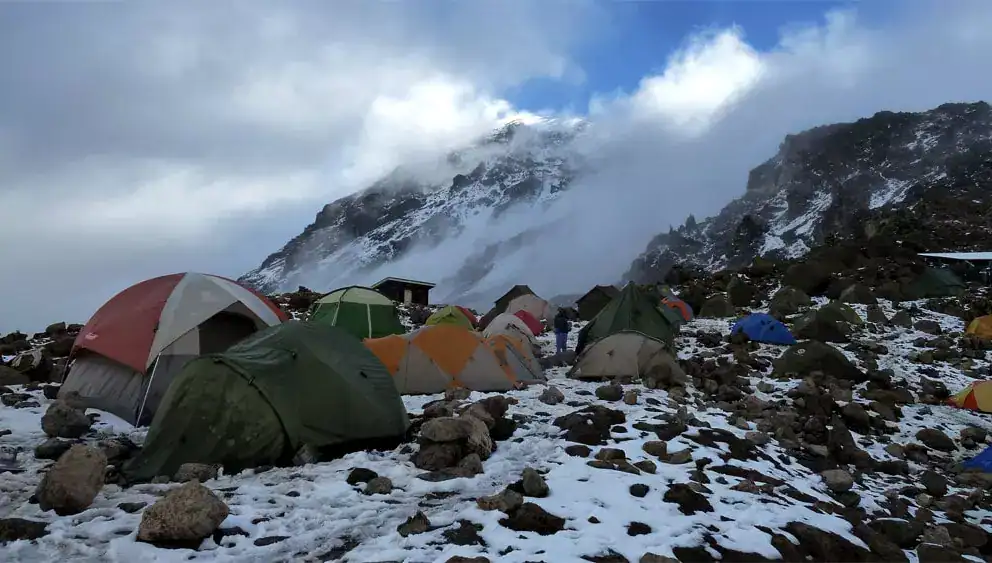
Reaching the summit of Mount Kilimanjaro is not about rushing the climb. Success comes from time on the mountain, proper acclimatization, and the quality of support behind you. After guiding thousands of climbers to Uhuru Peak, one pattern is clear: climbers who invest in the right route and support have a far higher success rate.
For a safe and well-supported climb, the cost to climb Mt Kilimanjaro typically works out to $400 to $500 per person per day. This daily cost covers what actually matters on the mountain: experienced guides, a strong porter team, quality tents, reliable safety equipment, proper meals, and systems designed to manage altitude and fatigue.
What This Means in Real Prices
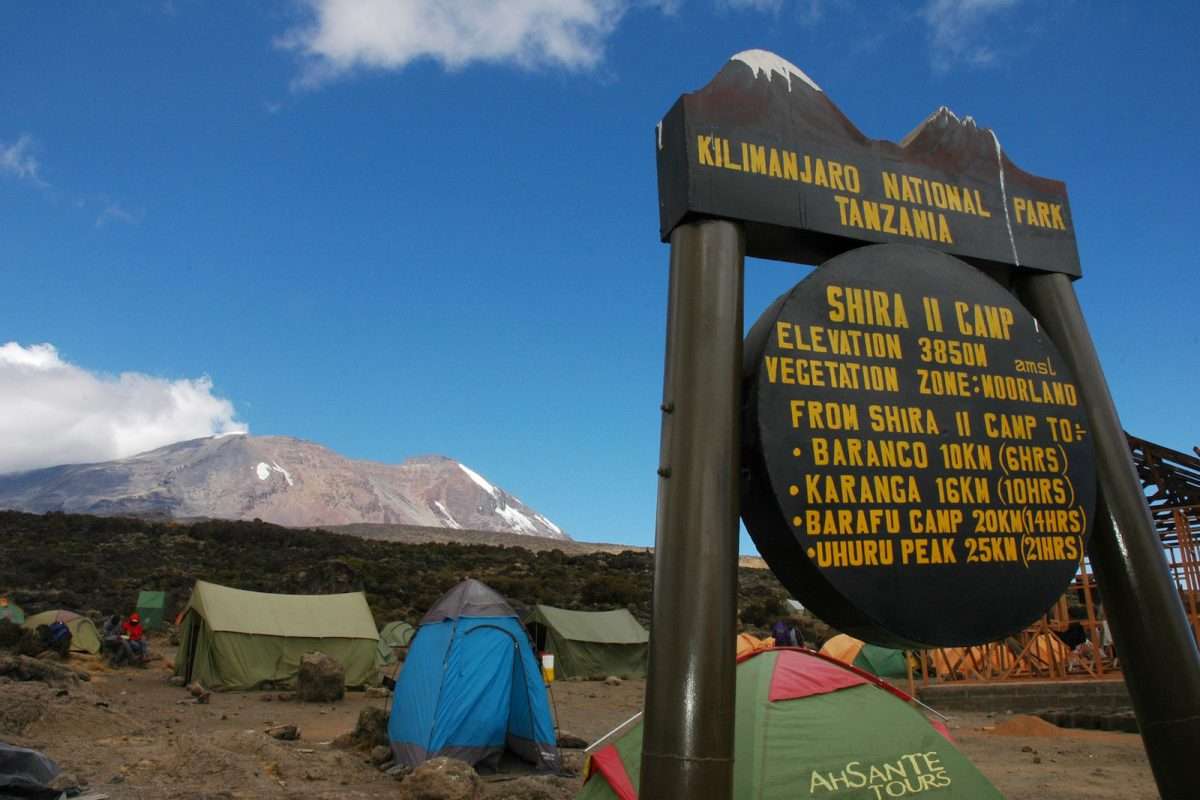
For most climbers, this translates into the following realistic ranges:
7-day Machame Route:
Expect to pay $2,500 to $4,000, including airport transfers and hotel nights before and after the climb. This route balances scenery, acclimatization, and value, making it one of the most popular choices for those asking how much does it cost to climb Kilimanjaro with good success odds.8-day Lemosho Route:
Prices typically range from $2,900 to $4,500, depending on hotel quality, group size, and the level of service provided before and during the climb. The extra day on the mountain improves acclimatization and comfort, which is why many experienced operators recommend it.
If a climb includes a Western-based expedition leader, costs can increase further due to international staffing and logistics. While this may appeal to some travelers, it is not required for a safe or successful summit when experienced local teams are in place.
Why More Days Increase Success
Spending 8 days on the mountain instead of 6 or 7 dramatically improves acclimatization. This is the single biggest factor affecting summit success and safety. That is why longer itineraries cost more and why they deliver better outcomes.
When evaluating the cost of climbing Mt Kilimanjaro, the question is not just price, but what that price buys you. More time, better support, and strong safety systems are what give you the best and safest chance of standing on the summit.
Every Kilimanjaro Climb Should Include the Following
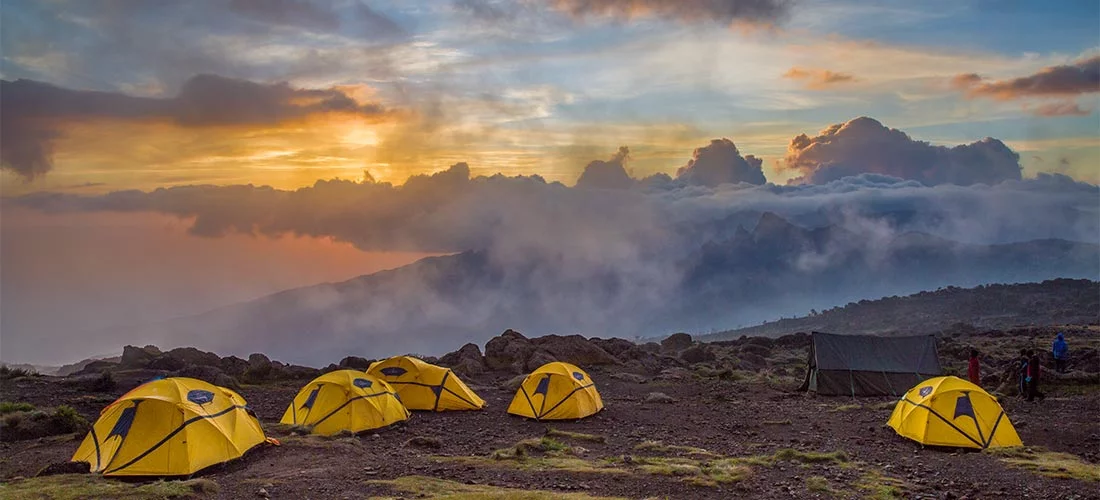
When evaluating how much does it cost to climb Mt Kilimanjaro, the price only makes sense if the climb includes the right safety systems, support, and comfort. Regardless of route or budget, a responsible Kilimanjaro expedition should meet the standards below. These elements directly affect summit success, safety, and overall experience.
1. High-Quality Food and Nutrition
Proper nutrition is critical at altitude. Every climb should include three-course meals for breakfast, lunch, and dinner, prepared fresh by a trained mountain cook. Balanced meals support energy levels, recovery, and acclimatization.
2. One-to-One Support on Summit Night
Summit night is the most demanding part of the climb. A 1:1 guide-to-climber ratio during the final ascent ensures close monitoring, pacing, and immediate response if altitude symptoms appear.
3. Comprehensive Altitude and Medical Safety Equipment
A safe cost to climb Kilimanjaro must include:
One oxygen bottle for every five climbers
A Gamow (hyperbaric) bag
A fully stocked medical kit
These tools are essential for managing altitude-related emergencies.
4. Warm, High-Quality Tents and Private Toilets
Climbs should use four-season mountain tents such as Mountain Hardwear Trango 4 or equivalent. Private toilet tents improve hygiene and comfort, especially at higher camps.
5. Proper Seating and Dining Setup
Chairs and dining tables allow climbers to rest, eat, and recover properly. This may seem small, but comfort plays a major role in maintaining strength over multiple days.
6. Pulse Oximeter Monitoring
Pulse oximeters should be used morning and evening to monitor oxygenDo you Need Oxygen to Climb Kilimanjaro? saturation levels. While not a diagnostic tool, they provide a valuable secondary indicator of acclimatization.
7. Emergency Evacuation Cover
Every climb should include Flying Doctors emergency evacuation cover. This ensures rapid medical evacuation if required. At TourwithPipi, this is already included in the Mt Kilimanjaro cost.
8. Pre-Climb Professional Support
Access to experienced professionals before the climb is essential. Climbers should receive guidance on training, gear selection, fitness, and altitude preparation well before arrival.
9. Sufficient Time on the Mountain
Spending 8 days on the mountain via the Lemosho Route offers the best acclimatization profile and the highest summit success rate. More time reduces altitude risk and improves comfort.
10. Security Support on the Mountain
A responsible operator provides security support to protect your equipment and personal belongings at camps, allowing you to focus fully on the climb.
How Many Staff Do you Need
Consider the staff working for you on the mountain. You also have to consider the staff, porters, guides and support crew all need to be paid correctly and cheap operators, cut corners on food and wages for staff so you can get a cheaper price. This should not be allowed but continues to happen because people want cheaper prices. Don’t be fooled less days on the mountain and cheaper prices means your safety and the safety of the local staff is at risk.
In your research you will be looking for the cheapest deal, but this really is not possible. You will also see a wide range of prices quoted for climbing Kilimanjaro. There are hundreds of licensed operators on Kilimanjaro. Many choices, companies and people saying they offer the best service up the mountain.
How Many Guides Do You Need?
There is an ongoing debate about local guides versus Western-guided climbs, and the reality is more nuanced than most articles suggest.
Local guides often know the mountain terrain very well. However, knowing the trail is not the same as managing climbers at high altitude. Many budget operators rely on guides who lack formal medical training, altitude management authority, or the confidence to turn clients around when it is unsafe.
In contrast, experienced expedition leaders or teams trained to international standards bring:
Strong decision-making under altitude stress
Clear pacing strategies beyond simply saying pole pole
The authority to stop a summit attempt when health is at risk
Experience managing Western clients and group dynamics
On Kilimanjaro, guides must actively monitor hydration, pace, symptoms, and mental fatigue from day one, not just on summit night. Poor decisions early in the climb are one of the most common reasons climbers fail or require rescue.
A quality climb ensures:
Sufficient guides per group
Clear leadership and medical awareness
The authority to prioritize safety over summit attempts
This directly impacts the cost of climbing Mt Kilimanjaro, but it also determines whether you return healthy.
The Real Measure of a Kilimanjaro Operator
Instead of asking only how much does it cost to climb Kilimanjaro, ask:
How many guides will be with me?
What medical and altitude training do they have?
What is the porter-to-climber ratio?
How are staff treated and paid?
Do guides have the authority to turn climbers around?
A properly staffed climb costs more because it protects your safety and the wellbeing of the local team. That is not an added luxury. It is the foundation of a responsible and successful Kilimanjaro ascent.
Sample 7-Day Kilimanjaro Itinerary with Pricing – Machame Route
Route: Machame Route (most popular and well-balanced)
Estimated cost to climb Mt Kilimanjaro: $2,400–$3,000 per person
This price range reflects a properly supported climb with good acclimatization, trained guides, safety equipment, meals, park fees, and hotel nights before and after the trek.
The Machame Route is often recommended to climbers asking how much does it cost to climb Kilimanjaro with strong summit success because it offers excellent scenery, a gradual altitude profile, and one of the highest success rates among 7-day routes.
Day 1: Arrival in Moshi and Climb Briefing
Arrive at Kilimanjaro International Airport and transfer to Moshi. You meet your guide team for a full briefing, gear check, and final preparations. This day is important for setting expectations, checking equipment, and discussing altitude safety.
Overnight: Hotel in Moshi
Included in cost: Transfers, accommodation, briefing
Day 2: Machame Gate to Machame Camp
After breakfast, drive to Machame Gate and begin the trek through dense rainforest. The trail is rich with birdlife and colobus monkeys. This first day focuses on steady pacing and hydration.
Hiking time: 5–7 hours
Overnight: Machame Camp
Day 3: Machame Camp to Shira Camp
The trail climbs out of the forest into heath and moorland. Views open up as vegetation thins. This is where climbers begin to feel the altitude, and guides closely manage pace.
Hiking time: 4–6 hours
Overnight: Shira Camp
Day 4: Shira Camp to Barranco Camp via Lava Tower
This is a key acclimatization day. You hike up to Lava Tower at higher altitude, then descend to Barranco Camp. This “climb high, sleep low” approach is one reason the cost of climbing Mt Kilimanjaro on Machame delivers strong value.
Hiking time: 6–8 hours
Overnight: Barranco Camp
Day 5: Barranco Camp to Barafu Camp
You begin with the Barranco Wall, a short scramble that is steep but not technical. The route then continues across alpine desert terrain toward Barafu Camp, the base for summit night.
Hiking time: 6–8 hours
Overnight: Barafu Camp
Day 6: Summit Day – Uhuru Peak to Mweka Camp
You start around midnight for the final ascent. After several hours, you reach Uhuru Peak, the highest point in Africa. After photos and rest, you descend to Mweka Camp for recovery.
Hiking time: 10–14 hours
Overnight: Mweka Camp
Day 7: Mweka Camp to Moshi and Departure
A gentle descent through rainforest brings you to Mweka Gate. You receive your summit certificate before returning to Moshi for a shower, meal, and onward travel.
Included in cost: Transfer back to hotel or airport
Why This 7-Day Machame Route Works So Well
Strong acclimatization profile
High summit success rate
Excellent scenery across all climate zones
Balanced Mt Kilimanjaro cost without rushing the climb
This itinerary explains why many climbers researching climbing Mt Kilimanjaro cost choose Machame as the safest and most rewarding 7-day option.
Optional Extension
Many travelers choose to combine this climb with a Serengeti or Ngorongoro safari, creating a complete Tanzania experience that includes both Africa’s highest peak and world-class wildlife viewing.
Best Time to Climb Kilimanjaro and Save Money (2026–2027)
Choosing when to climb is one of the easiest ways to manage the cost to climb Mount Kilimanjaro. Weather, crowd levels, and demand directly affect pricing, guide availability, and overall experience. Below is a clear breakdown to help you decide the best time to climb Kilimanjaro based on budget and conditions.
Low Season (March–May, November)
Best for: Saving money and avoiding crowds
Cost impact: Lowest prices
Conditions: Higher chance of rain, especially in April and May
During the low season, the climbing Mt Kilimanjaro cost is noticeably lower. Operators reduce prices due to lower demand, and trails are quieter. This period suits experienced trekkers who are comfortable with wet conditions and flexible schedules.
Pros:
Lower overall Mt Kilimanjaro cost
Fewer climbers on popular routes
Better availability of guides and camps
Cons:
Rain can affect trail conditions and views
Not ideal for first-time trekkers who want predictable weather
High Season (July–October, January–February)
Best for: Stable weather and summit success
Cost impact: Highest prices
Conditions: Dry, clear, and colder at night
This is the most popular time to climb. Weather is reliable, trails are dry, and visibility is excellent. Because demand is high, the cost of climbing Mt Kilimanjaro increases, and popular routes book quickly.
Pros:
Best weather for trekking
High summit success rates
Ideal for photography
Cons:
Higher prices
Busier camps and trails
Shoulder Season (June, December)
Best for: Balanced value and conditions
Cost impact: Moderate pricing
Conditions: Generally good weather with fewer crowds
Shoulder months offer one of the best compromises. You get relatively good weather without peak-season pricing. Many climbers choose this period when asking how much does it cost to climb Kilimanjaro without paying peak rates.
Pros:
Moderate cost to climb Kilimanjaro
Fewer climbers than peak season
Good weather for most routes
Cons:
Limited availability during holiday periods
FAQS
1. How much does it cost to climb Mt Kilimanjaro?
The average cost to climb Mount Kilimanjaro ranges from $1,500 to $6,000+ per person, depending on the route, number of days, level of support, and the operator you choose.
2. What is the cheapest way to climb Kilimanjaro?
The cheapest legal climbs usually start around $1,700–$2,300, typically on shorter routes like Marangu or Machame. These climbs have fewer acclimatization days and basic support.
3. Why is climbing Mount Kilimanjaro so expensive?
A large part of the cost of climbing Mt Kilimanjaro comes from mandatory park fees, guide and porter wages, food, safety equipment, and logistics. Park fees alone can exceed $800 per person.
4. Does the Kilimanjaro climb cost include park fees?
Yes. Reputable operators include all Kilimanjaro National Park fees, rescue fees, and conservation charges in the total Mt Kilimanjaro cost.
5. How much does a 7-day Kilimanjaro climb cost?
A well-supported 7-day Kilimanjaro climb typically costs between $2,400 and $4,000 per person, depending on the route and service level.
6. Which Kilimanjaro route offers the best value for money?
The Machame and Lemosho routes offer the best value because they provide strong acclimatization and high summit success rates at a mid-range cost to climb Kilimanjaro.
7. Is it possible to climb Kilimanjaro for under $1,500?
In most cases, no. Due to park fees and staffing requirements, climbs under $1,500 often involve unsafe shortcuts or underpaid staff and are not recommended.
8. What extra costs should I budget for beyond the climb price?
You should budget for international flights, visa fees, travel insurance, personal gear, and tips. These are not usually included in the climbing Mt Kilimanjaro cost.
9. Does the time of year affect the cost to climb Kilimanjaro?
Yes. High season (July–October, January–February) costs more, while low and shoulder seasons offer lower prices and fewer crowds.
10. Is a more expensive Kilimanjaro climb worth it?
Often, yes. Higher-priced climbs usually include more days on the mountain, better acclimatization, stronger safety systems, and higher summit success rates, making the overall Mt Kilimanjaro cost better value.
Final Thought
So, how much does it cost to climb Mount Kilimanjaro? In simple terms, the price reflects safety, success, and the quality of your experience. While budget climbs may look appealing, a well-planned Kilimanjaro trek typically costs $2,000 to $4,000 for strong acclimatization, proper staff support, and reliable safety systems. Premium climbs go higher because they add more days, better equipment, and higher summit success rates.
Climbing Kilimanjaro is not just a hike—it’s a life-defining journey to the Roof of Africa. Choosing the right route, the right number of days, and an experienced operator can be the difference between turning back early and standing proudly at Uhuru Peak.
If you want a climb that balances fair pricing, ethical staffing, safety, and real summit success, invest wisely. Your mountain experience, your health, and your memories are worth it.
Enquire Now at TourwithPipi to Book Your Best Kilimanjaro Climbing Tour in 2026


