
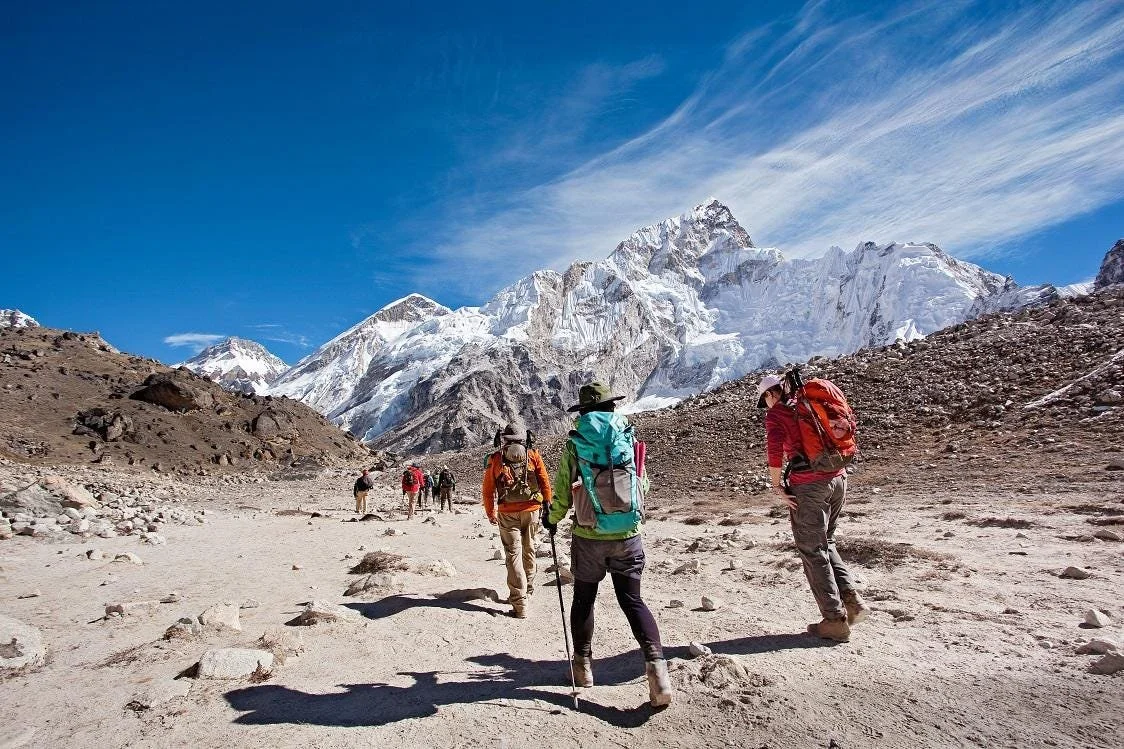
Mount Kilimanjaro rises to 5,895 meters (19,341 feet), making it the tallest mountain in Africa and the highest free-standing mountain on Earth. It sits on the Tanzania–Kenya border and on clear days, you can see its snowy peak from over 100 kilometers away.
Every year, around 30,000 to 50,000 people try to climb Kilimanjaro. It is known as one of the world’s most accessible high-altitude mountains because it does not require technical climbing skills. Still, only about 40% to 65% reach the summit (Uhuru Peak). Most people turn back due to altitude sickness, not lack of strength.
We meet many travelers who tell us, “I love Kilimanjaro, but I don’t want to hike for seven days.” And honestly, we understand. Not everyone is physically ready for high altitude, and not everyone wants a tough multi-day climb. The good news is simple: you do not need to climb Kilimanjaro to experience it.
In this guide, we show you how to experience Mount Kilimanjaro without climbing it
Can You Visit Mount Kilimanjaro Without Climbing It?
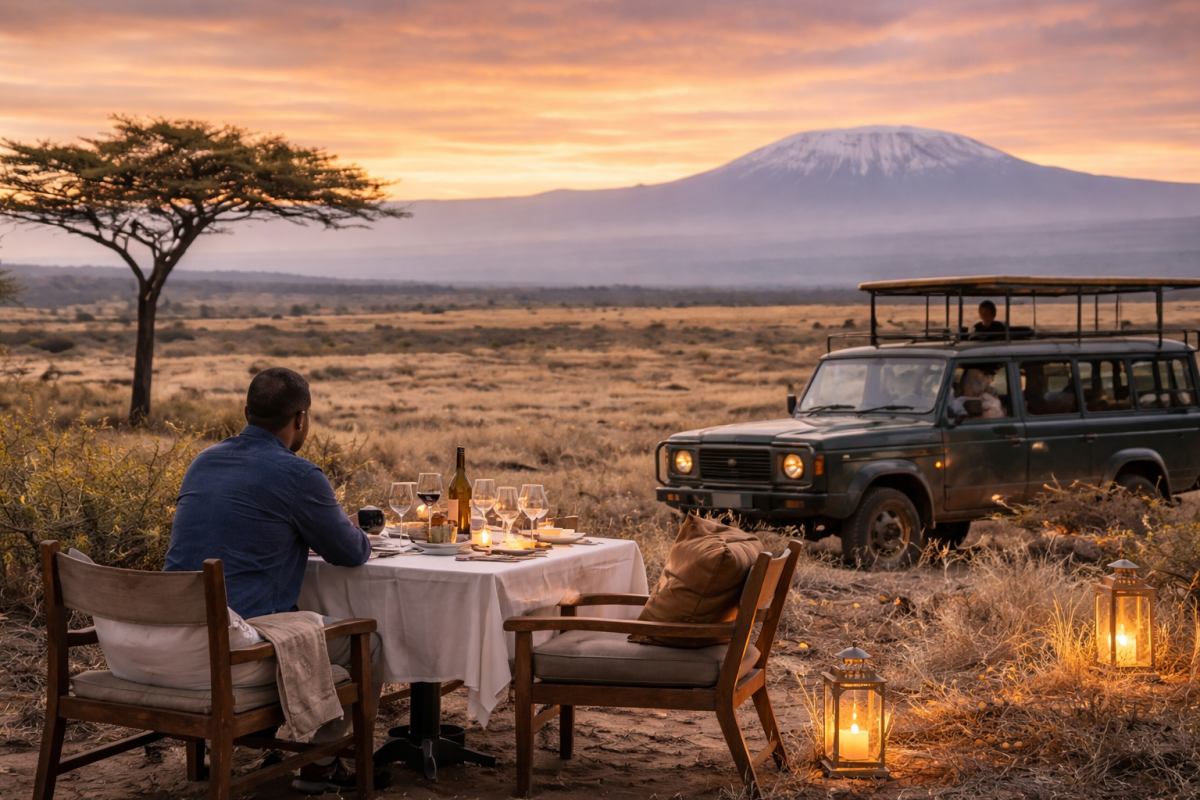
Yes. You can see Mount Kilimanjaro clearly without climbing it from nearby safari parks, towns, and scenic viewpoints in both Tanzania and Kenya.
You can still enter Kilimanjaro National Park without doing the full climb. We can take you to the lower slopes and foothills, where the air is easier to breathe and the forest is green and alive with birds and monkeys. You can walk short trails, visit waterfalls, and enjoy the mountain without sleeping in tents or hiking for days.
You can also stay in lodges and hotels with direct Kilimanjaro views. From places like Moshi, Arusha, or Amboseli, you can wake up and see the snow on the summit while drinking your morning tea. On clear days, the mountain looks close enough to touch.
Where Is the Best Place to See Mount Kilimanjaro?
Mount Kilimanjaro sits right on the border of Tanzania and Kenya. Its southern and eastern slopes lie in Tanzania, while its northern face looks into Kenya. This position affects how clouds move and where the clearest views appear.
Amboseli National Park (Kenya) – Best Wildlife + Mountain View
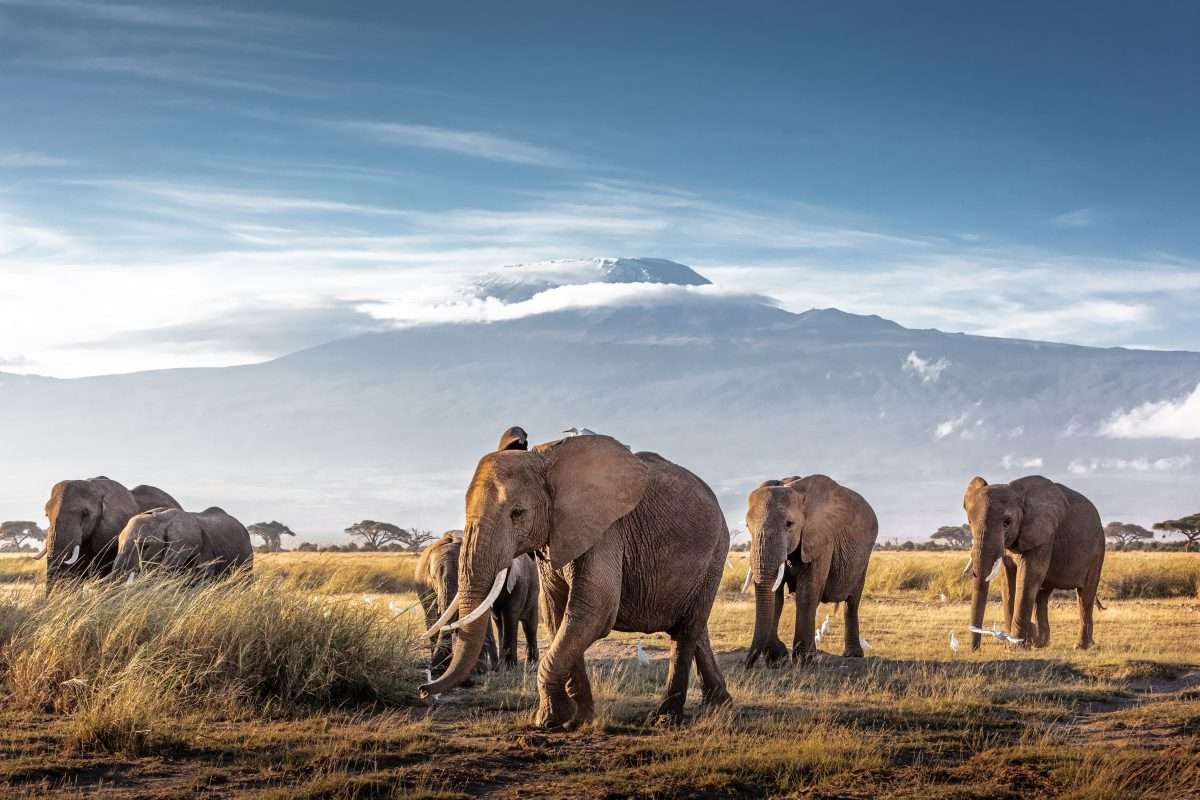
Amboseli National Park is about 40 kilometers (25 miles) north of Mount Kilimanjaro. It is famous for its huge elephant herds, wide open plains, and shallow swamps that reflect the mountain like a mirror.
This is one of the best places in Africa to photograph the classic scene of an elephant walking in front of a snow-covered mountain. The land is flat, so Kilimanjaro looks massive and close, even though it is across the border in Tanzania.
The best viewpoints inside Amboseli are Observation Hill and the Sinet Delta area, where you can see the mountain rising behind wetlands and grazing animals. We always suggest going out very early in the morning, just after sunrise, when the air is cooler and the clouds have not yet formed around the summit.
The best season for clear views is during the dry months from June to October and January to February. During these times, dust is low, skies are blue, and the snow peak shows clearly.
Moshi & Arusha (Tanzania): Closest Town Views
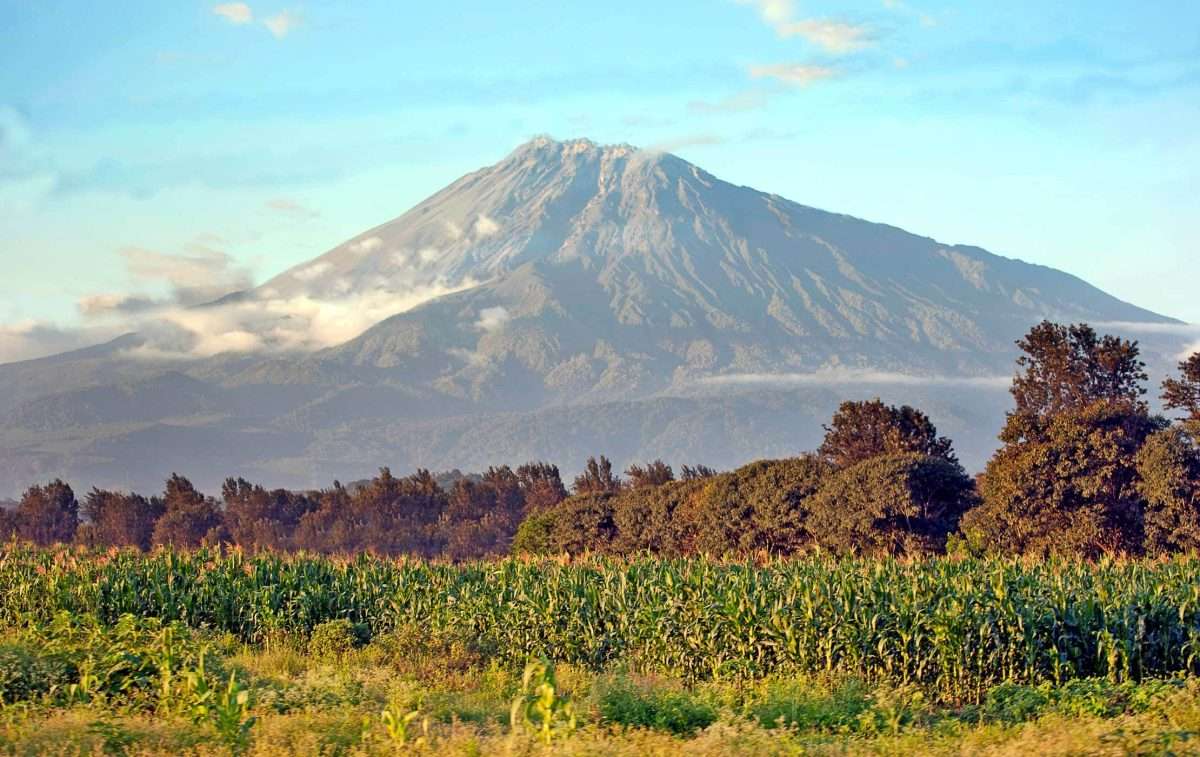
Moshi is the main town at the base of Kilimanjaro and the starting point for most climbs. It sits at a lower altitude, which means you can look up and see the entire mountain rising above farms and rooftops. On clear mornings, the summit appears sharp and bright before clouds roll in later in the day.
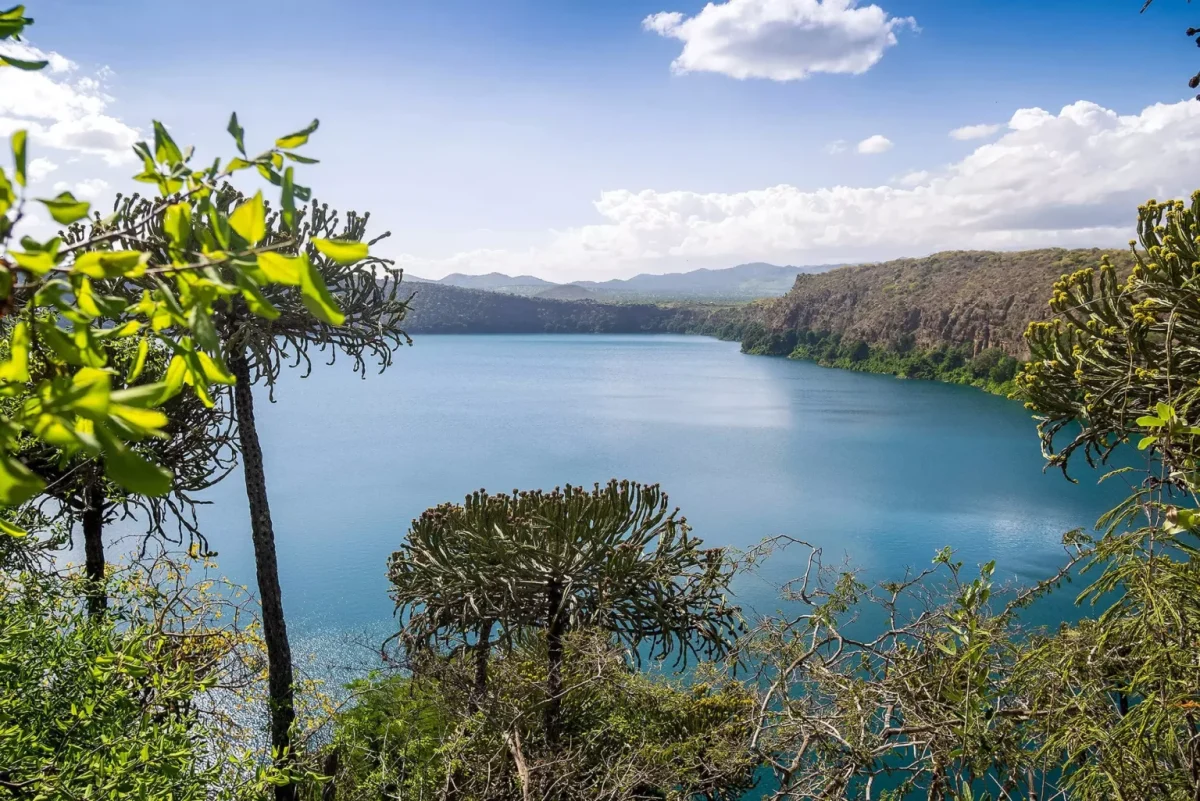
Around Moshi, you will find coffee plantations, banana farms, and small villages with Kilimanjaro always in the background. One of the most beautiful nearby places is Lake Chala, a deep crater lake near the Kenya border where Kilimanjaro sometimes reflects on calm water.
Arusha is farther away, but on very clear days, you can still see Kilimanjaro’s outline, especially at sunrise. The difference in altitude between Moshi and the summit explains why clouds often form halfway up the mountain while the top stays white and visible.
From these towns, you experience Kilimanjaro as part of daily life, not just as a climbing goal.
Kilimanjaro National Park Foothills
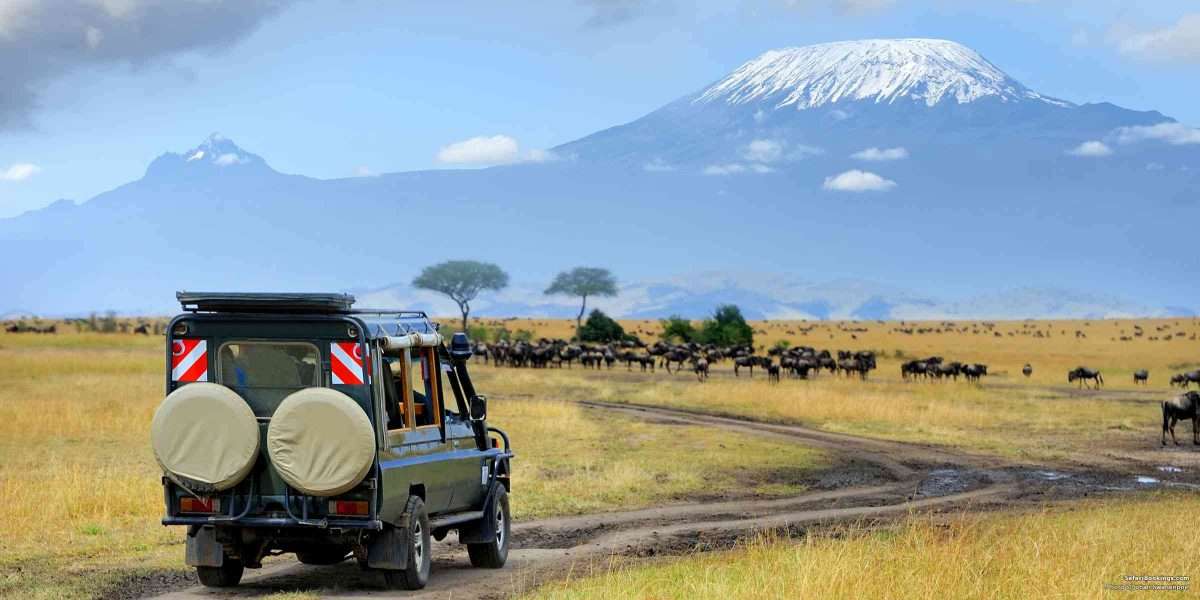
You can also visit Kilimanjaro National Park without climbing to the summit. The lower slopes are covered in rainforest and moorland, where the air is cool and the scenery is green and fresh.
The Shira Plateau can be reached by vehicle, making it one of the easiest ways to enter the park and still enjoy high mountain views. From here, you see rolling alpine fields with Kilimanjaro’s glaciers far above you.
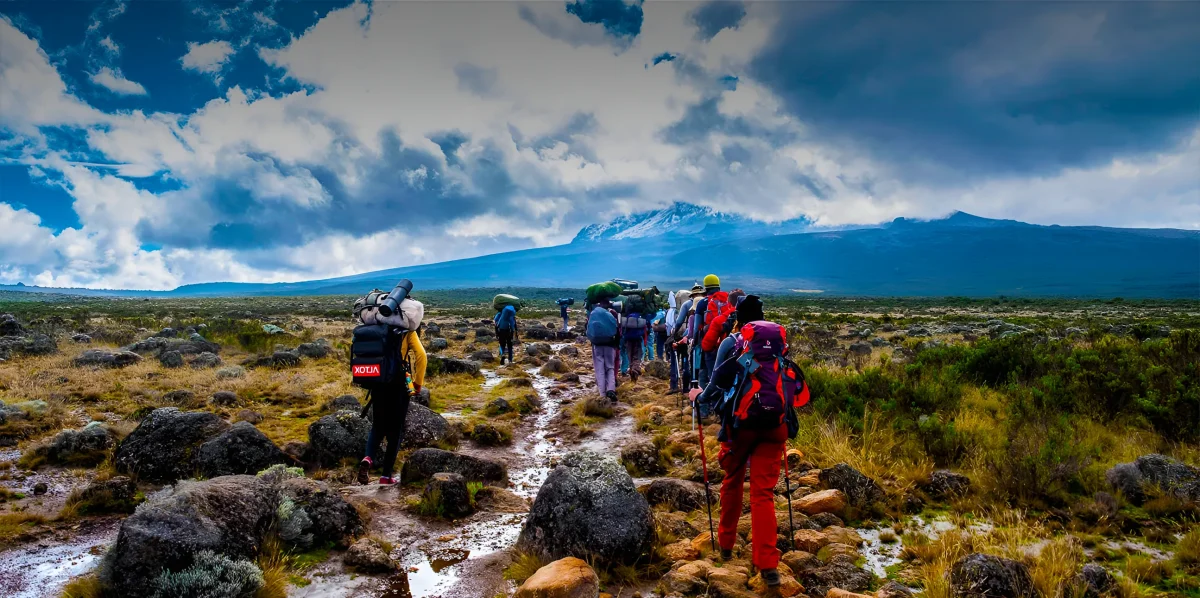
You can also walk short sections of the Marangu Route and return the same day. This lets you experience forest trails, birds, and waterfalls without doing a multi-day trek.
These foothill areas give you a close and personal look at Kilimanjaro’s size and climate zones, without the physical challenge of reaching the summit.
Best Safari Parks to See Mount Kilimanjaro
Ngorongoro Conservation Area
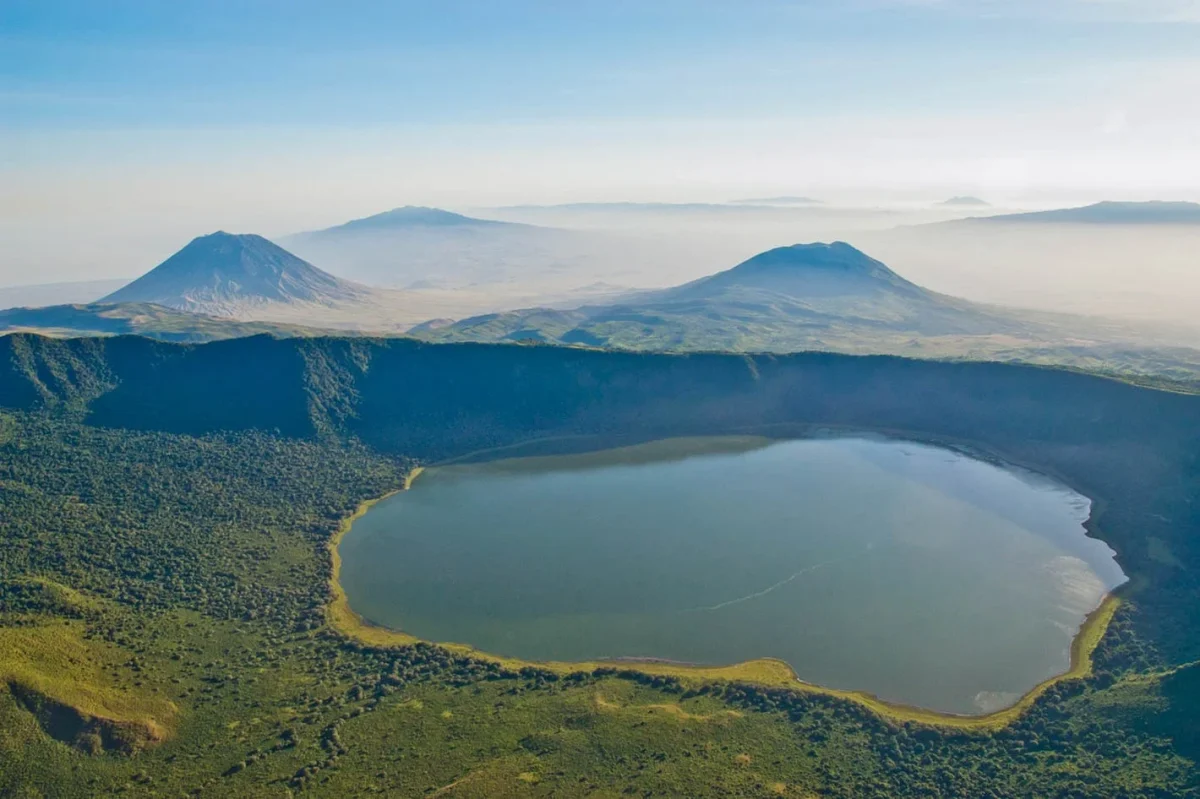
Ngorongoro is not close to Kilimanjaro, they are roughly 200–300 km apart but on very clear days, you can sometimes see the mountain faintly from the highlands and crater rim areas. The Ngorongoro Conservation Area sits at a higher elevation than many parks, which helps when the air is clean and clouds are low.
Here, your main focus is the Ngorongoro Crater, one of the best wildlife areas in Africa, with lions, rhinos, elephants, and huge herds of zebra and wildebeest. When Kilimanjaro appears in the distance, it feels like a quiet bonus rather than the main attraction.
This is a good option if you want Big Five safari first and a chance of Kilimanjaro views second, especially in the early morning after cold nights.
Tarangire National Park
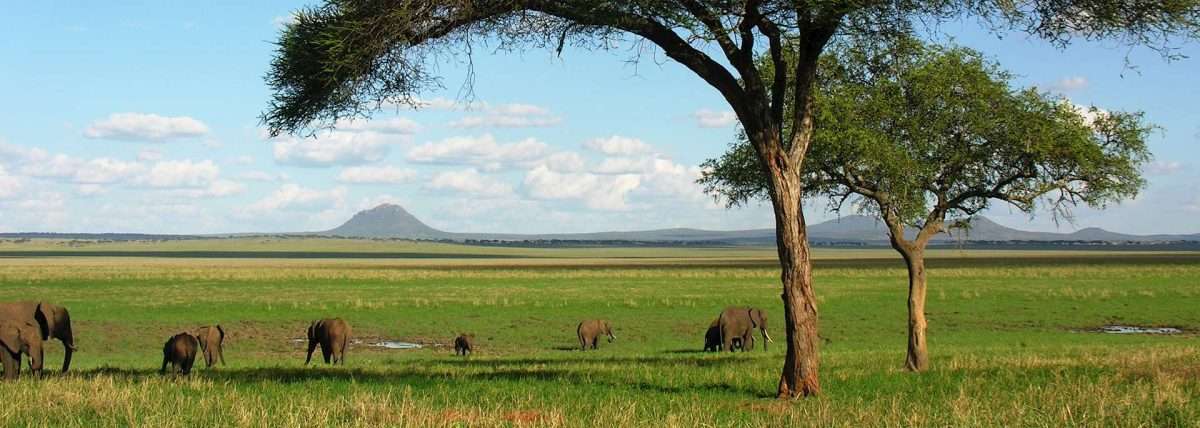
Tarangire National Park is famous for its giant baobab trees and one of the largest elephant populations in Tanzania. During the dry season, the land becomes dusty and golden, which creates a strong contrast when Kilimanjaro’s white summit appears on the horizon.
On clear days, you may see the mountain as a soft silhouette behind baobabs and elephants, especially from open plains and river valleys. The dry air between June and October makes visibility better, while animals gather near the Tarangire River.
This park gives you a classic African look: elephants, dry grass, tall baobabs, and a distant mountain line that reminds you how close you are to Kilimanjaro without needing to climb it.
Lake Manyara National Park
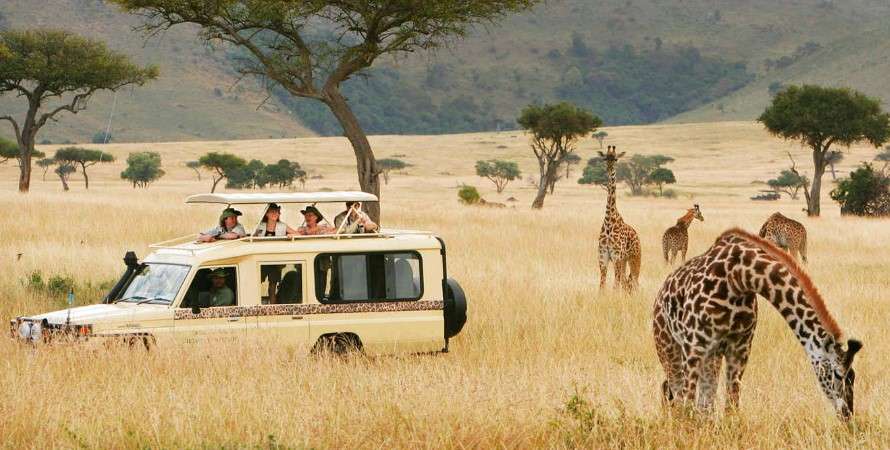
Lake Manyara is a small but beautiful park set between the Rift Valley escarpment and a shallow soda lake. It is famous for its tree-climbing lions, flamingos, and forest animals like baboons and monkeys.
On rare clear days, you may see Kilimanjaro’s shape far beyond the lake, especially when the air is clean after rain. What makes this special is the foreground. You may have forest trees, water reflections, and animals in front of a distant mountain outline.
This park is perfect if you like layers in your scenery: green forest below, silver lake in the middle, and a pale mountain far away.
Serengeti (Distant View Only)
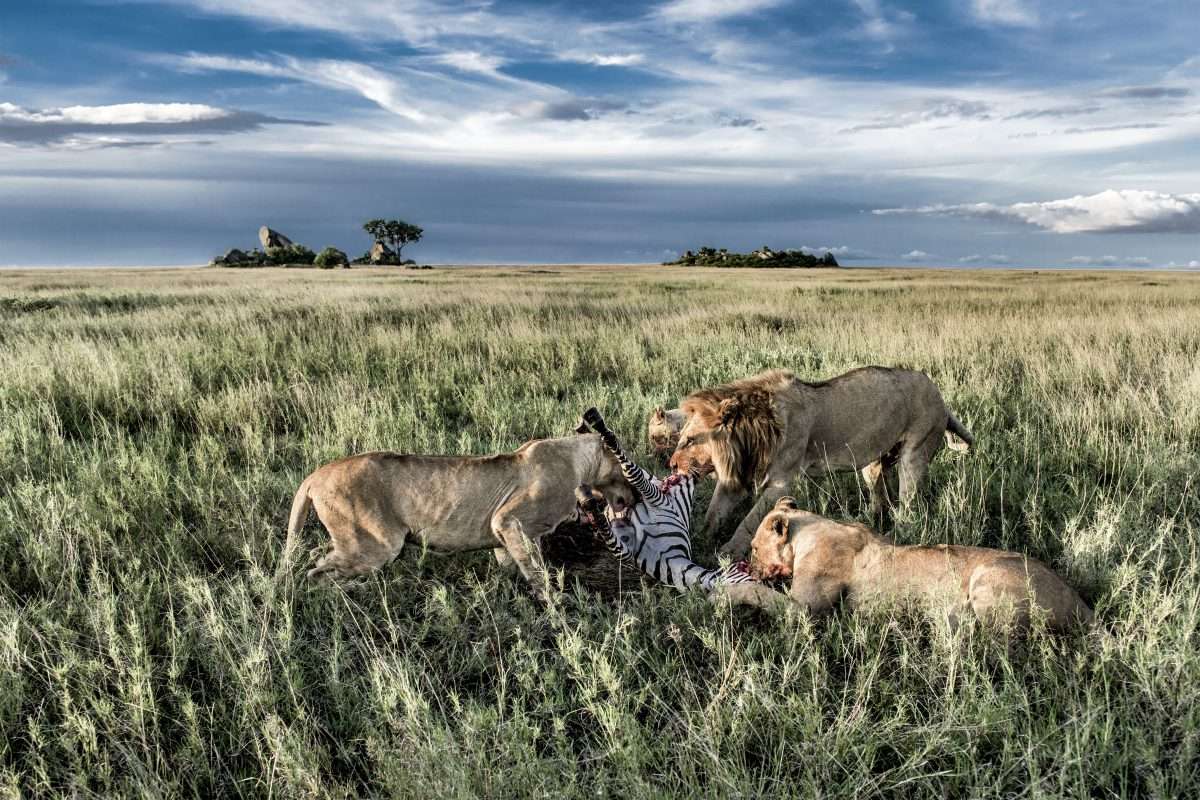
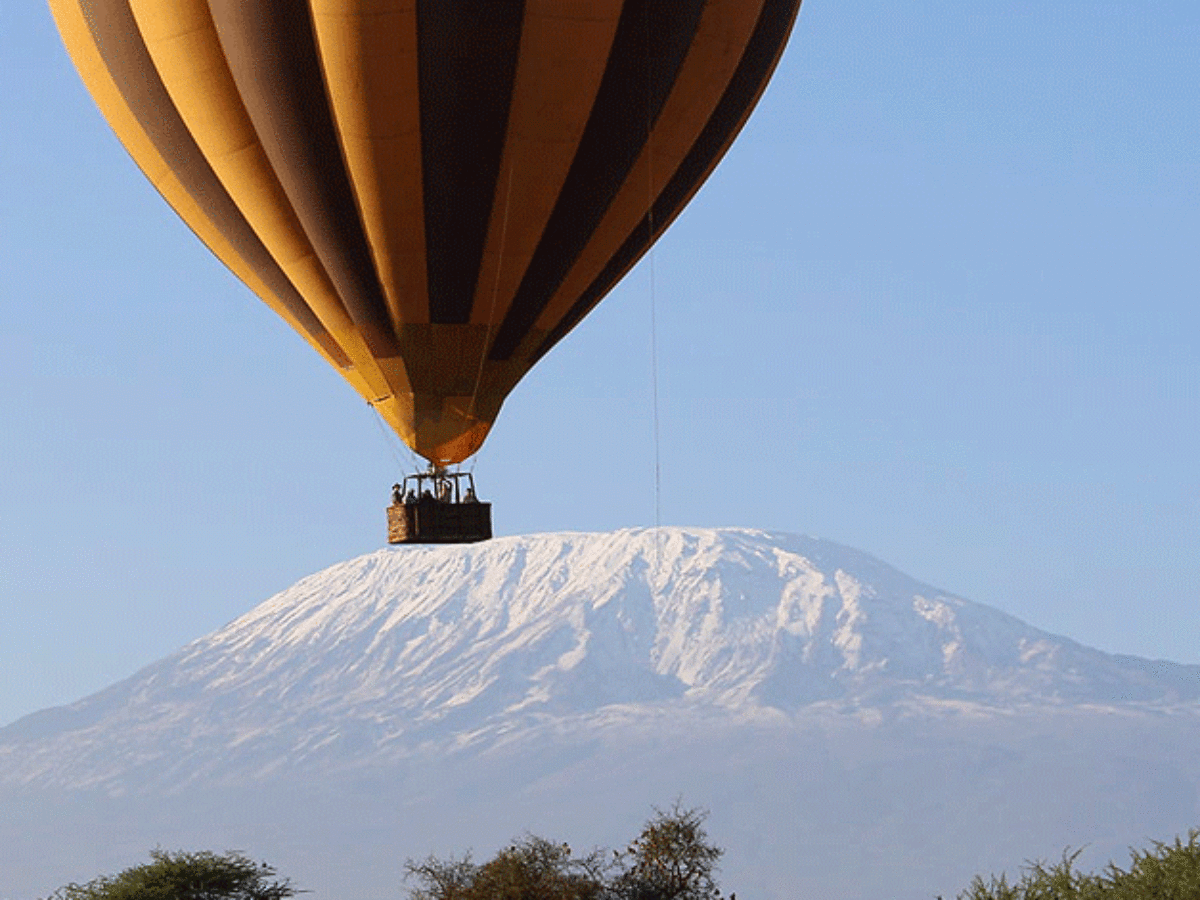
The Serengeti is far from Mount Kilimanjaro, and not the best place to view Kilimanjaro here. However, on very rare and extremely clear days, especially during early morning balloon safaris, the summit can sometimes be seen as a faint white shape on the horizon.
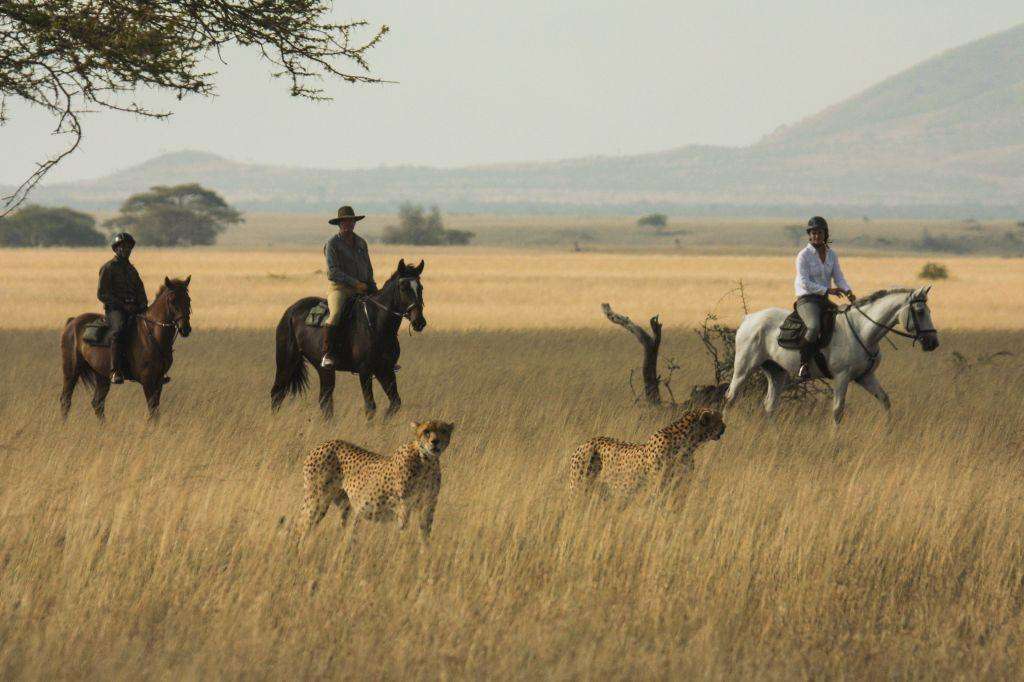
Most of the time, the Serengeti offers something different: endless plains, wildebeest herds, and big cats. If Kilimanjaro appears, it feels like a surprise gift rather than a planned sighting.
This is why we say Serengeti is best for wildlife drama, not mountain viewing, but it can still be part of a Kilimanjaro-themed safari route.
Cultural Experiences Near Kilimanjaro (No Climb Needed)
Chagga Villages
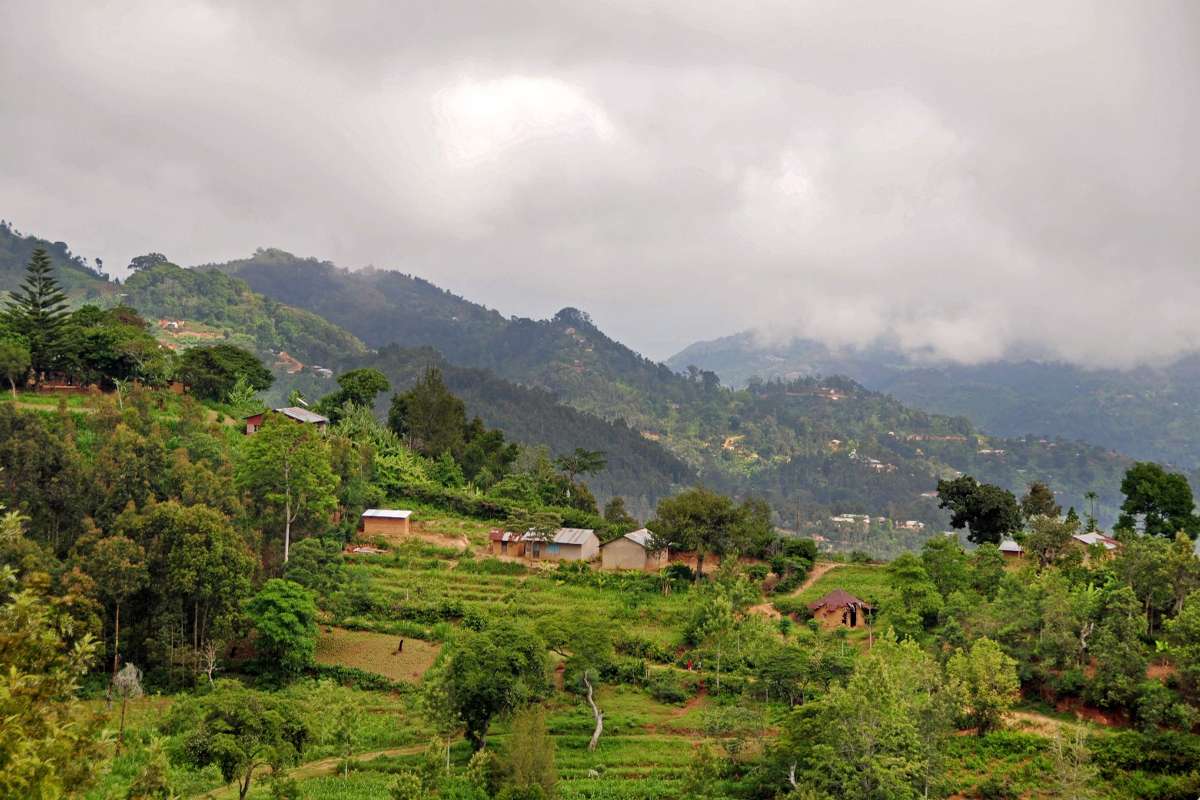
Visit coffee farms and see beans picked, roasted, and brewed by hand.
- Walk through ancient irrigation tunnels that carry mountain water to farms.
Learn how the Chagga view Kilimanjaro as a sacred source of life and rain.
Maasai Villages
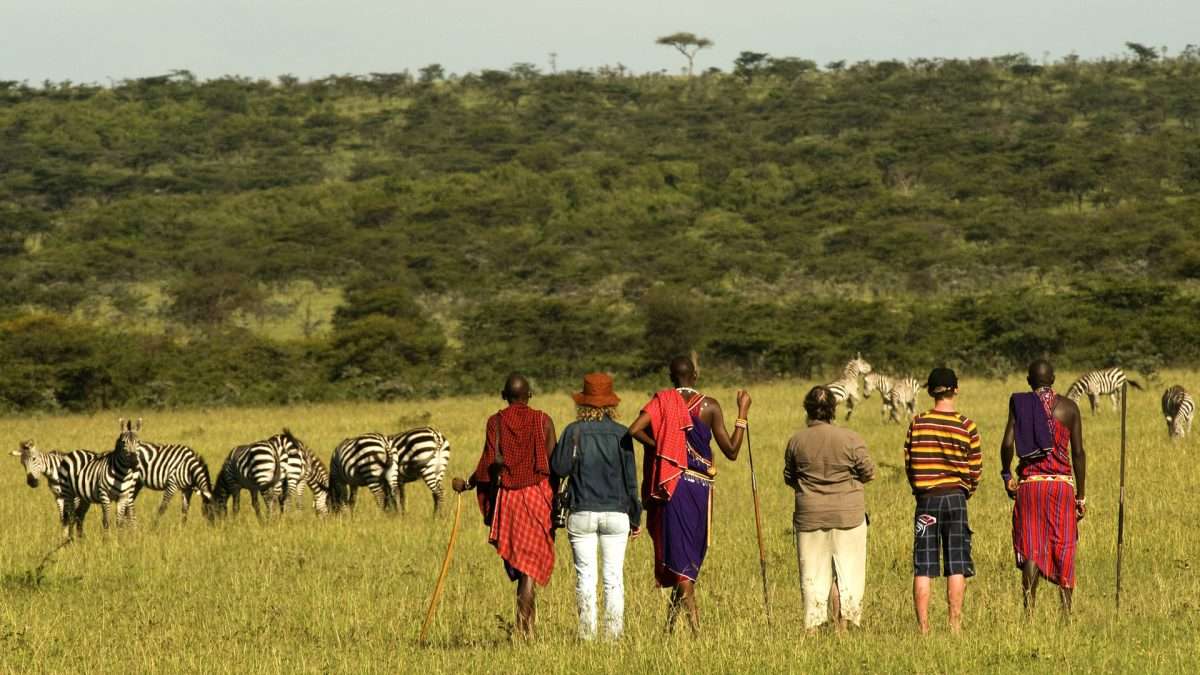
Meet Maasai families known for red robes, beadwork, and cattle culture.
Learn how livestock depends on Kilimanjaro’s grasslands and seasons.
Hear stories of Kilimanjaro as a powerful natural spirit in Maasai belief.
See the mountain rising behind villages, herds, and traditional homes.
Best Lodges With Kilimanjaro Views
Kambi ya Tembo (Elerai Camp) – West Kilimanjaro Views
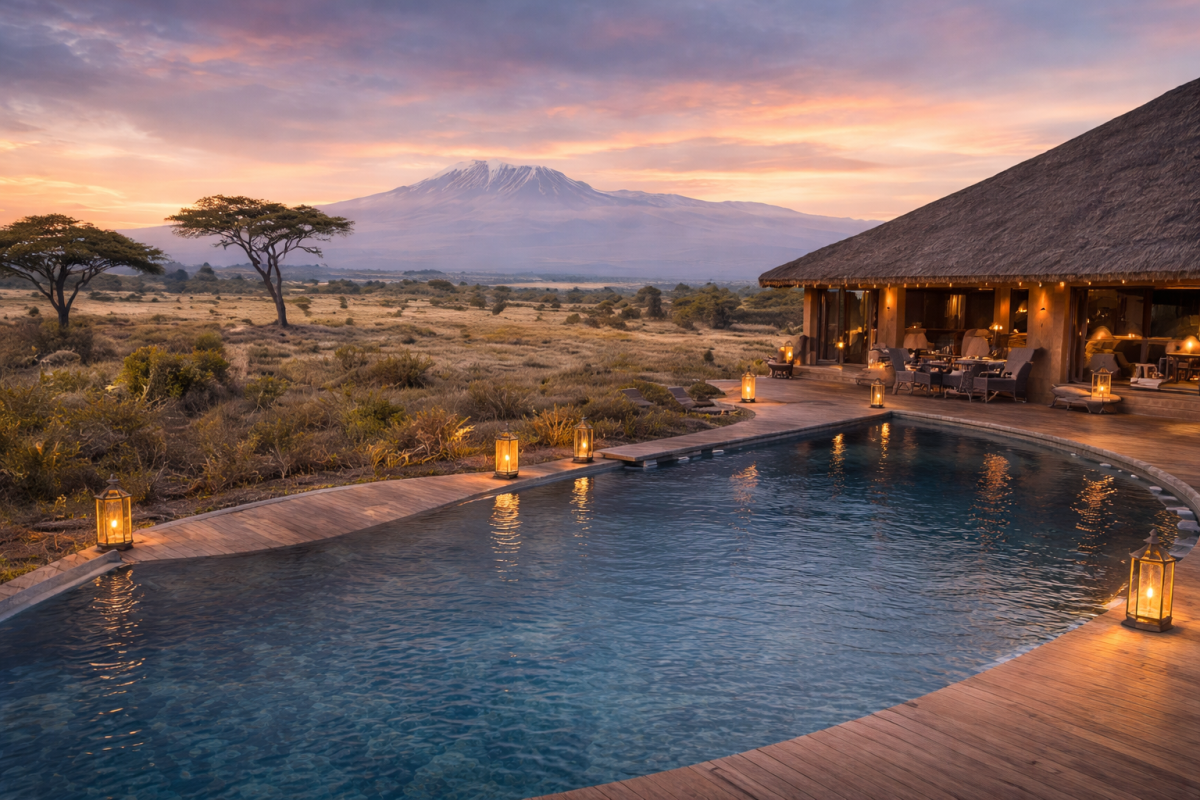
Located in the West Kilimanjaro corridor, this lodge is one of the best places to see Mount Kilimanjaro without climbing. It offers wide, open plains with direct sightlines to the peak, making it ideal for photography. Guests often enjoy sunrise and sunset Kilimanjaro views with elephants and giraffes in the foreground. This area is known for fewer clouds compared to Moshi and Arusha.Simba Farm Lodge – Quiet Countryside Kilimanjaro View
Simba Farm Lodge sits in farmland between Moshi and Kilimanjaro National Park. It is popular for peaceful stays and wide-angle Kilimanjaro views from balconies and gardens. The location is excellent for travelers who want to see Kilimanjaro in a relaxed rural setting with coffee farms and forest edges below the mountain.Kilimanjaro Mountain Resort – Close-Up Southern Slopes
Positioned on the lower slopes, this resort provides closer and greener Mount Kilimanjaro views. It is well suited for travelers who want comfort, swimming pools, and forest scenery while still enjoying direct mountain visibility. Morning skies here are often clearer than afternoons.Kaliwa Lodge – Machame Route Viewpoint
Kaliwa Lodge lies near the Machame route entrance and is known for its artistic design and terrace facing the mountain. From here, you can see Kilimanjaro rising above rainforest and cloud layers. It is ideal for visitors who want mountain scenery without hiking the summit trail.Kilemakyaro Mountain Lodge – Direct Peak Views
This lodge is designed for panoramic Kilimanjaro views from rooms and dining spaces. It is located in a less crowded area and offers peaceful surroundings with strong visual access to the summit cone on clear days.Mount Kilimanjaro View Lodge – Name Matches Reality
As the name suggests, this lodge focuses on direct Kilimanjaro view positioning. It is often chosen by photographers and travelers who want guaranteed mountain visibility without entering the national park.Tawi Lodge (Amboseli, Kenya) – Wildlife + Kilimanjaro Background
Tawi Lodge is famous for combining elephants, acacia trees, and open plains with a full Mount Kilimanjaro view. It is one of the best places to photograph wildlife with the snow-capped peak behind them. This lodge is especially strong for morning light and dry-season clarity.Arusha Coffee Lodge – Distant but Scenic Views
Located on a working coffee estate near Arusha, this lodge offers indirect but atmospheric Kilimanjaro views on very clear mornings. It combines plantation scenery, forest edges, and distant mountain silhouettes.Kilimanjaro Wonders Hotel – Urban Viewpoint Option
This modern hotel in Moshi offers elevated city views toward the mountain. It is ideal for travelers who want comfort, short stays, and easy access while still being able to see Kilimanjaro from rooftop or upper floors.
These lodges allow you to see Mount Kilimanjaro without climbing, offering sunrise light, cloud movement, wildlife foregrounds, and clear peak visibility from comfortable and scenic locations.
Best Time to See Kilimanjaro Without Climbing
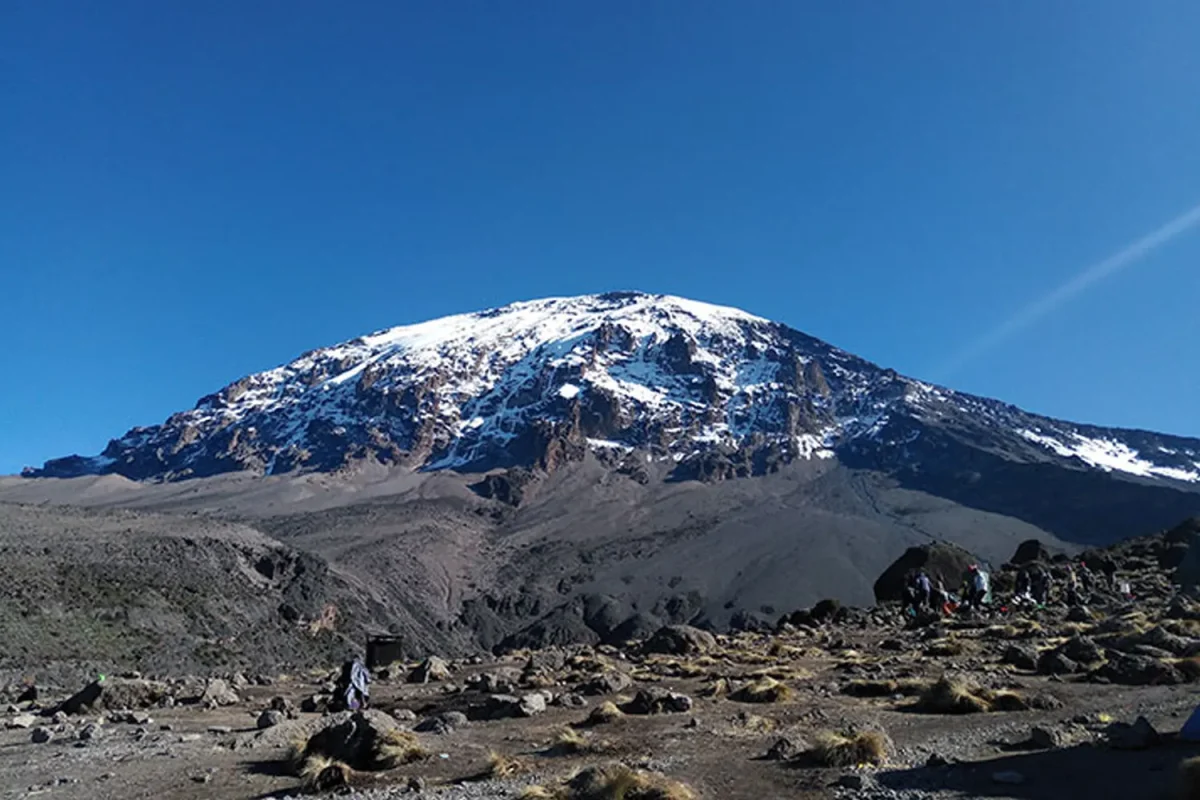
The best time to see Kilimanjaro clearly without climbing is during the dry seasons: June to October and January to February. These months bring lower humidity and fewer clouds, which improves Kilimanjaro visibility. Mornings are always the clearest. The peak often appears sharp and snow-capped just after sunrise, while clouds usually build up by late morning and hide the summit by afternoon. In the dry season, the snow line is still visible, especially after cold nights. During very dry months, you may see dust in the air, especially in Amboseli and Tarangire, but visibility is still better than in the rainy season when haze and thick cloud cover are common.
Photography Tips for Kilimanjaro Views
For Kilimanjaro photography, use a zoom lens (70–200mm) to frame wildlife with the mountain in the background and a wide lens (16–35mm) for big landscapes and sky. Sunrise is the best time to shoot because the light is soft and the summit is usually clear. Look for silhouettes of elephants, giraffes, or acacia trees against the white peak. Lakes and swamps like Amboseli and Lake Chala create natural reflections that make your photos stronger. We always suggest planning shoots early in the morning and being patient, because Kilimanjaro often reveals itself slowly as clouds lift.
Is It Worth Visiting Kilimanjaro Without Climbing?
Yes, it is absolutely worth it. You still feel the size of Africa’s tallest mountain when you stand on the plains and look up. You still see the snow and glaciers shining above farmland, forests, and wildlife. You can still take powerful photos, walk in local villages, and watch animals move across the land with Kilimanjaro behind them. I have seen guests cry when elephants crossed the plains with Kilimanjaro glowing in the background. You don’t need to climb for seven days to feel the emotion of this mountain. You just need to be in the right place at the right time.
How TourwithPipi Plans Kilimanjaro View Safaris

At TourwithPipi, we plan every Kilimanjaro view safari around light, timing, and location. We use private vehicles so you are not rushed and can stop when the mountain appears. We choose lodges with direct Kilimanjaro views and position game drives near the best viewpoints. Our guides know when clouds usually lift and when sunrise colors hit the summit. We schedule mornings carefully and avoid crowded routes so your experience feels calm and personal. With our team, you are not just seeing Kilimanjaro, you are watching it change with the sky, the animals, and the day. Contact us now!
Blog Summary
You can see Mount Kilimanjaro without climbing it from safari parks, towns, and scenic viewpoints in Tanzania and Kenya.
The best places to see Kilimanjaro are Amboseli National Park, Moshi, Arusha, and the Kilimanjaro foothills inside the national park.
The best time to see Kilimanjaro clearly is during the dry seasons, from June to October and January to February, especially early morning.
You can enjoy Kilimanjaro views on safari with elephants, giraffes, and open plains in the foreground, especially in Amboseli and Tarangire.
Cultural visits to Chagga and Maasai villages let you experience Kilimanjaro’s meaning through coffee tours, farming life, and mountain traditions.
Activities like Shira Plateau walks, Lake Chala hikes, and balloon safaris let you enjoy Kilimanjaro without attempting the summit.
You can stay in lodges with Kilimanjaro views that offer direct mountain scenery, wildlife sightings, and relaxed photography spots.
With a TourwithPipi Kilimanjaro safari, you get private vehicles, the best viewpoints, sunrise timing, and a stress-free way to see Africa’s highest mountain without climbing it.


