
I still remember stepping out at Kilimanjaro International Airport and feeling that mix of excitement and nerves you get before a big first. This was my first luxury Tanzania safari, and I picked February on purpose. Tanzania safari in February sits in the green season, which means the land looks fresh, the skies can be dramatic, and the parks feel less crowded. It is also the Serengeti calving season February travelers dream about, when the Great Migration brings new life to the short grass plains.
This guide walks you through my 10 day Tanzania safari itinerary with TourwithPipi, from Tarangire to the Ngorongoro Crater, then into the Southern Serengeti Ndutu region for calving, and finally the Central Serengeti around Seronera. Along the way, I will share what a typical day feels like, what wildlife moments you can expect, and simple tips for safari photography February light and weather.
Ready to plan your Tanzania safari?
Contact TourwithPipi today and let our local experts design a personalized safari itinerary that matches your travel style, season, and budget.
Why February is the best time for a first Tanzania safari
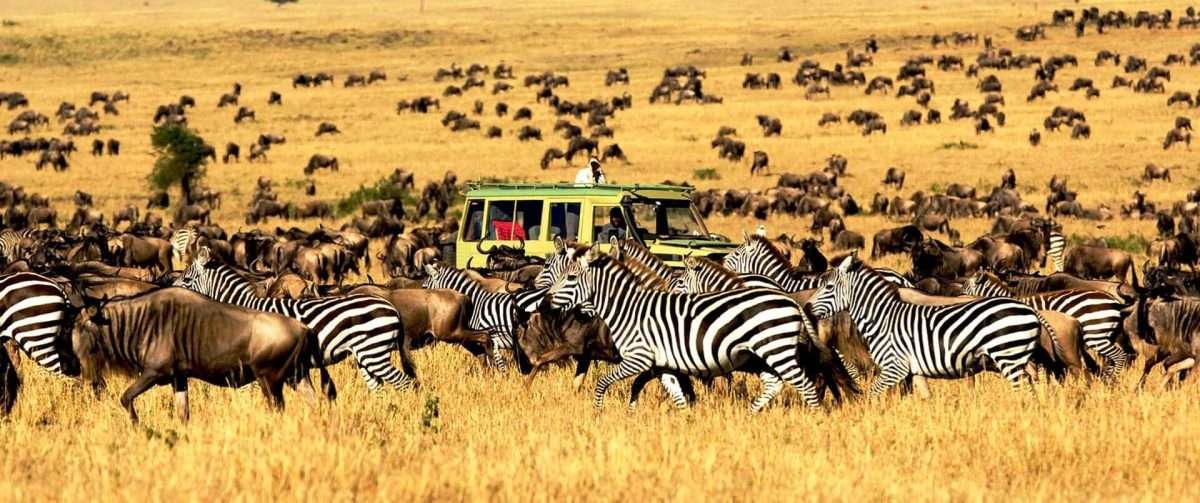
If you want a clear answer, February is one of the best time for Tanzania safari trips when you want wildlife drama without the peak season crowds. The green season safari feel is different from the dry months. The grass is greener, the air feels softer in the mornings, and you often get clean backgrounds for photos after a short rain. Because fewer vehicles are competing for the same sightings, it is easier to slow down, wait, and watch animal behavior instead of just ticking boxes.
The other big reason is the Great Migration calving season. Calving happens in February because the short grass plains in Ndutu and the Southern Serengeti hold rich nutrients. When the rains feed that new growth, the herds follow it. Thousands of wildebeest give birth across the plains, and predators follow because easy meals appear in the same places every day. That is why a Ndutu calving safari is one of the most intense wildlife seasons in Africa.
What to Expect on an African Safari in Tanzania
Before my first Tanzania safari, I kept wondering what daily life on safari would actually feel like. Not the highlight reel moments, but the real rhythm of each day.
What Is a Typical Day Like on a Tanzania Safari?
On my first African safari in Tanzania, most days revolved around game drives and wildlife tracking. The focus is always on being in the right place at the right time, especially during a Serengeti safari or a calving season safari in February.
A typical safari day looked like this for me:
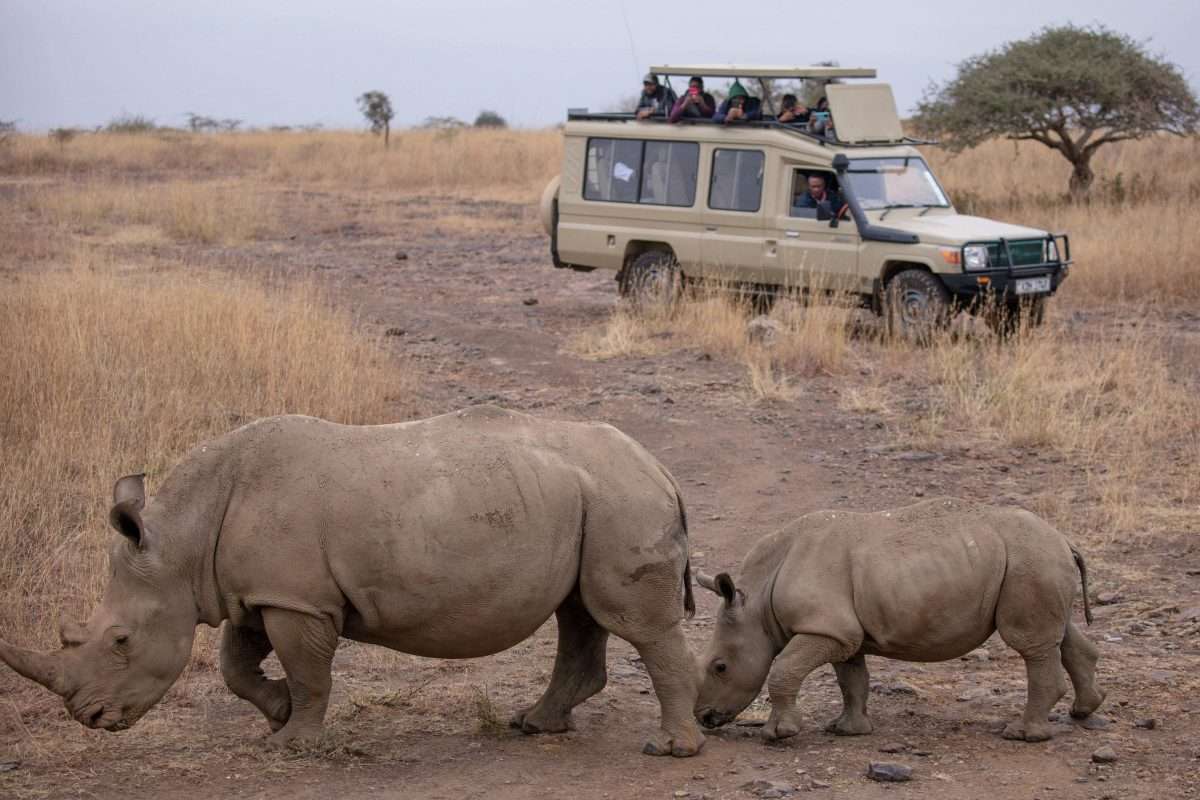
We started with an early breakfast at the safari lodge while the air was still cool and quiet. Soon after, we headed out in the safari vehicle for morning game drives, when wildlife is most active. These drives often lasted several hours as we followed animal movement across national parks like Tarangire, Ngorongoro, and the Serengeti.
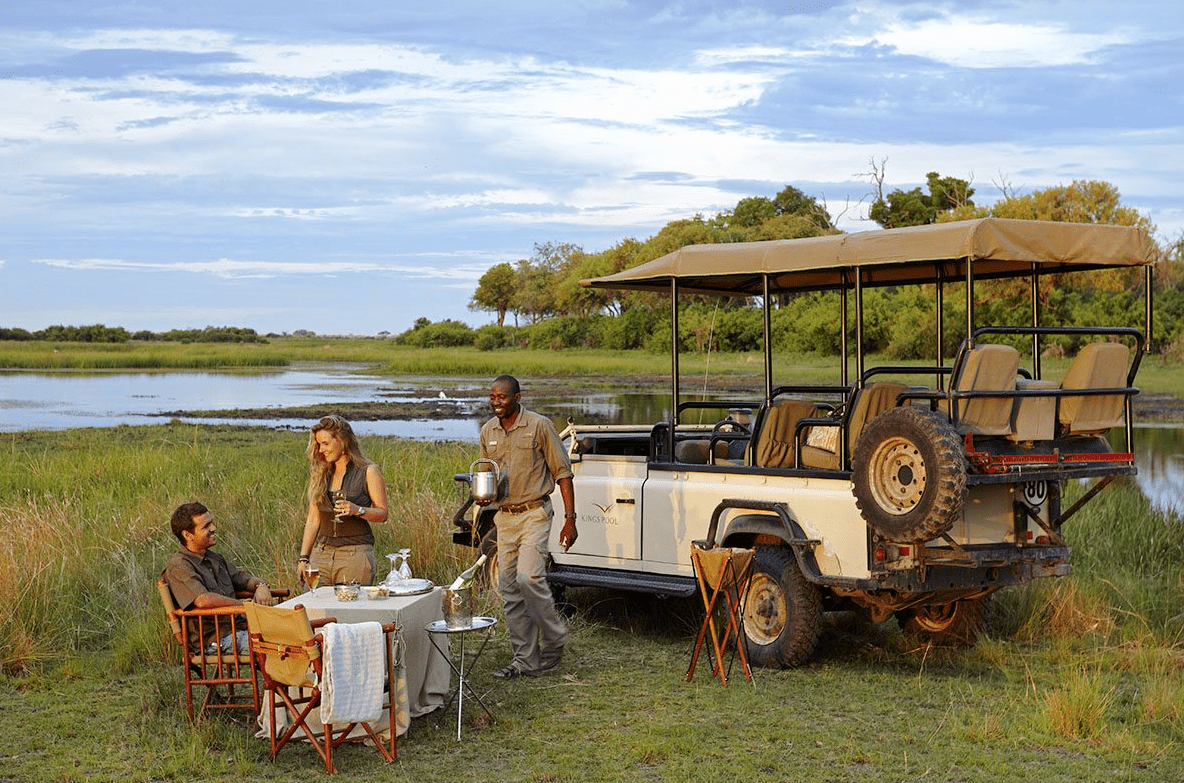
Lunch was usually a picnic inside the park or back at camp, followed by a short rest. In the afternoon, we went out again for more safari drives, tracking predators, watching herds, and learning from our guide. By sunset, we returned to the lodge for dinner, shared stories from the day, and then slept early, ready to do it all again.
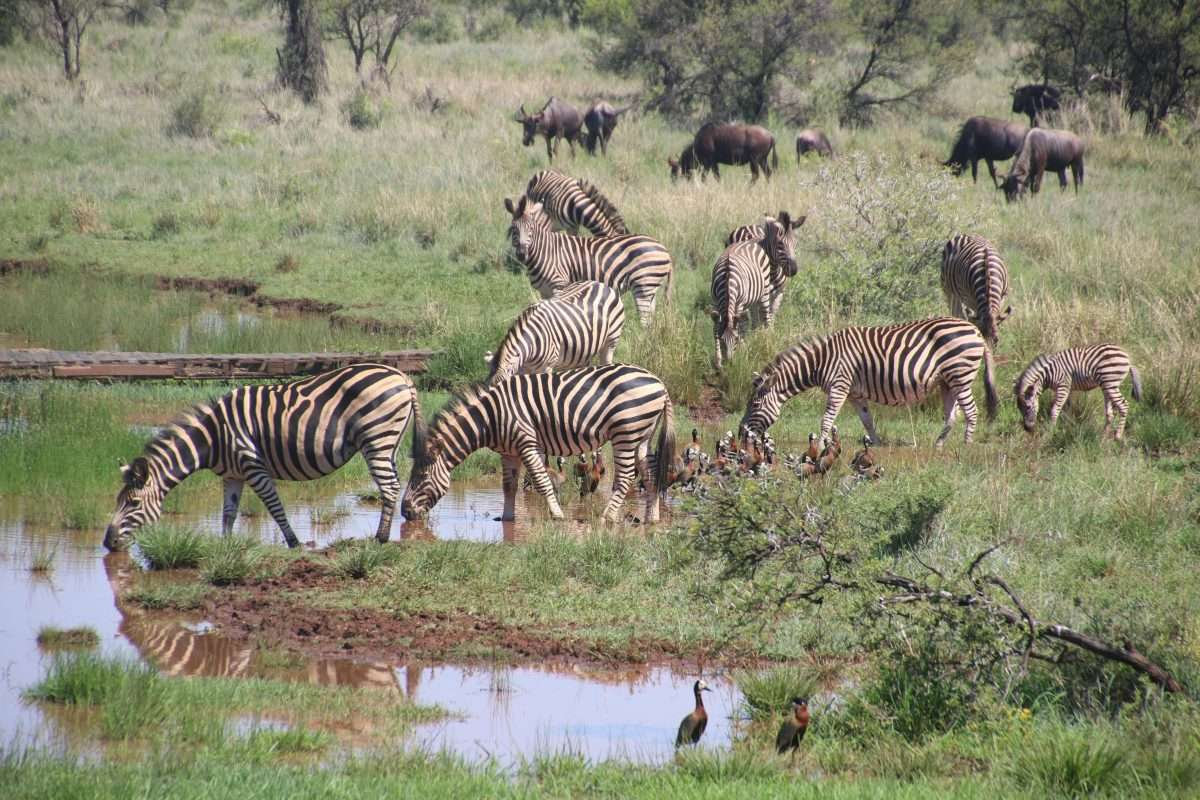
During my Tanzania safari itinerary, departure times usually fell between 7 AM and 9 AM, and we aimed to reach our lodge by around 5 PM. On a private safari in Tanzania, this schedule is flexible, which makes it ideal for first time safari travelers who want to maximize wildlife sightings.
What Should You Wear on a Tanzania Safari?
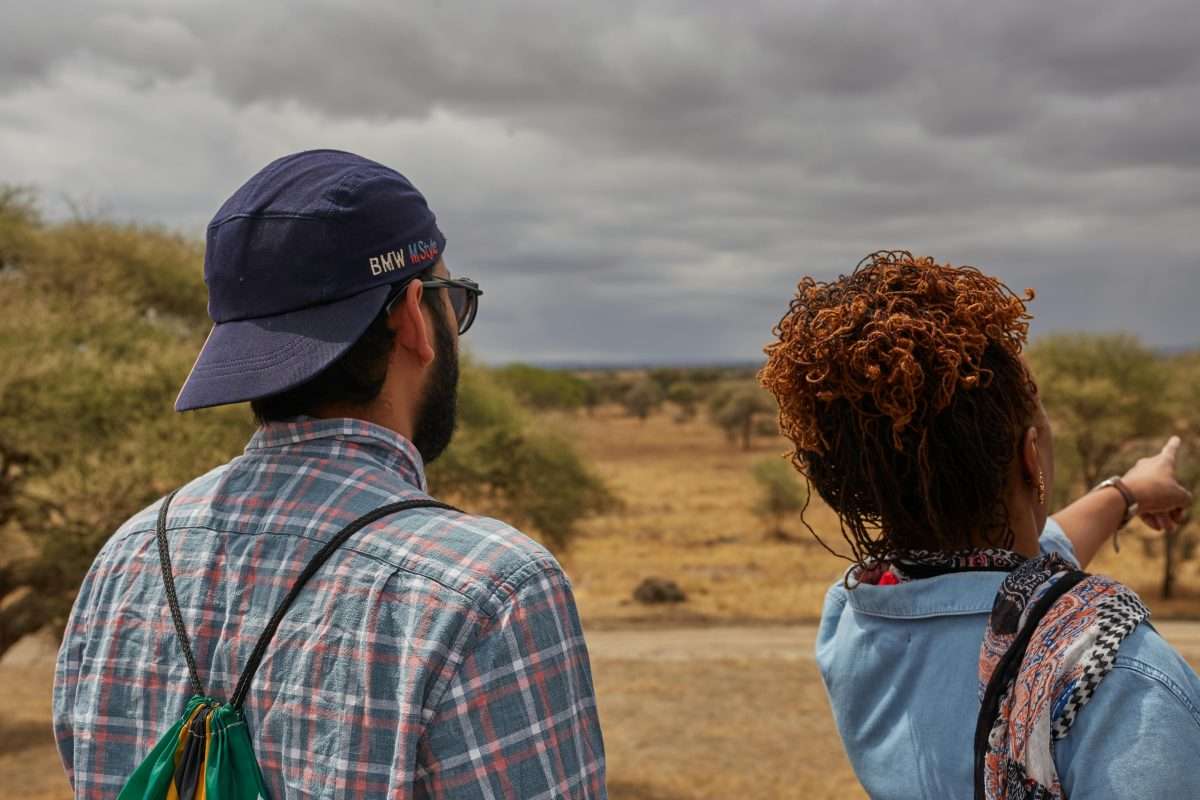
Comfort matters more than style on a Tanzania wildlife safari. I wore light, breathable clothing in neutral colors like khaki, beige, and olive. These tones blend naturally into the environment and help avoid drawing attention from insects or animals.
It is important to avoid black and dark blue clothing, as these colors can attract tsetse flies in some safari areas. Layers are also essential. Early mornings can be cool, especially during February safari mornings, while afternoons warm up quickly.
Comfortable walking shoes, a hat, sunglasses, and sunscreen were essentials on my packing list. If this is your first safari in Tanzania, packing smart makes the experience far more enjoyable.
Private Safari or Group Safari in Tanzania?

This was a big decision for me while planning my Tanzania safari tour package. I chose a private safari, and it completely shaped my experience. Having a private guide meant we could spend as much time as we wanted watching a lion pride, waiting for a cheetah hunt, or following wildebeest during the calving season.
A group safari in Tanzania can be a good option if you are traveling solo, want to meet other travelers, or are working within a tighter budget. However, group safaris follow a fixed schedule and involve shared decisions.
For a first Tanzania safari, especially during the Serengeti calving season, I found a private safari offered flexibility, deeper learning, and a more personal connection with the wildlife.
Understanding the African Big Five on Safari
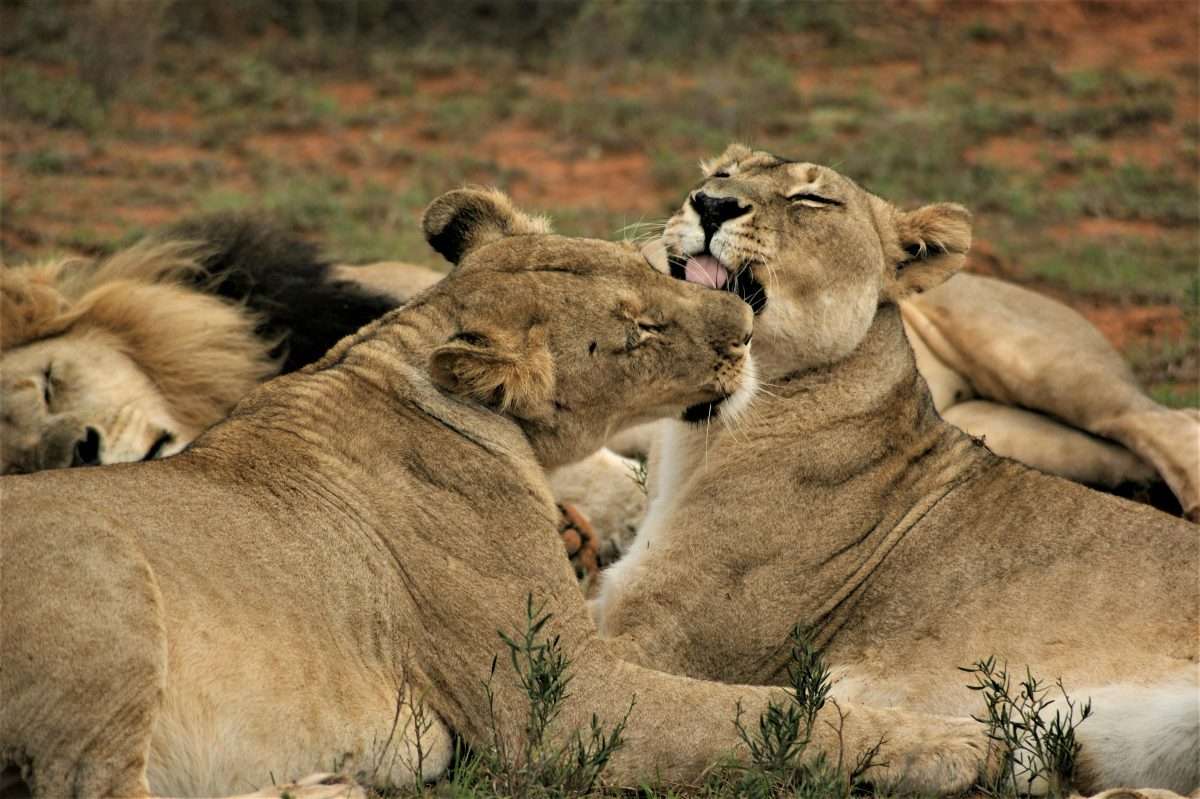
One of the most common questions beginners ask is about the African Big Five. These include lions, African buffalo, leopards, rhinoceros, and elephants. The term comes from early hunting history, but today it represents the most sought after wildlife sightings on a safari in Tanzania.
During my Tanzania safari experience, I was lucky enough to see all five. Elephants and buffalo were frequent sightings, especially in Tarangire and Ngorongoro. Lions appeared regularly across the Serengeti. Leopards required patience and guidance from an experienced safari guide.
Rhinoceros were the rarest and most emotional sighting for me. Seeing them from a distance in the Ngorongoro Crater felt incredibly special and reminded me why conservation matters so much.
How Many Days Do You Need for a Tanzania Safari?
The ideal length of a Tanzania safari depends on your pace, interests, and itinerary. For first time safari travelers, I believe a minimum of four to five days allows you to experience iconic parks like the Serengeti, Ngorongoro Crater, and Tarangire National Park.
I personally spent 10 days on safari and felt it was enough to see incredible wildlife without feeling rushed. That said, a longer itinerary, such as a 10 day Tanzania safari, allows for deeper exploration, relaxed travel days, and special experiences like the Ndutu calving safari or Central Serengeti game drives.
For me, balance was key. A safari paired beautifully with other experiences like Zanzibar beaches or cultural encounters. A Tanzania safari is intense in the best way, and leaving room for variety makes the journey even more rewarding.
Do you need a guide for a Tanzania safari?
Before my trip, I wondered if it was possible to do a self-guided safari in Tanzania. Technically, yes. But after experiencing it firsthand, I honestly wouldn’t recommend it for your first safari.
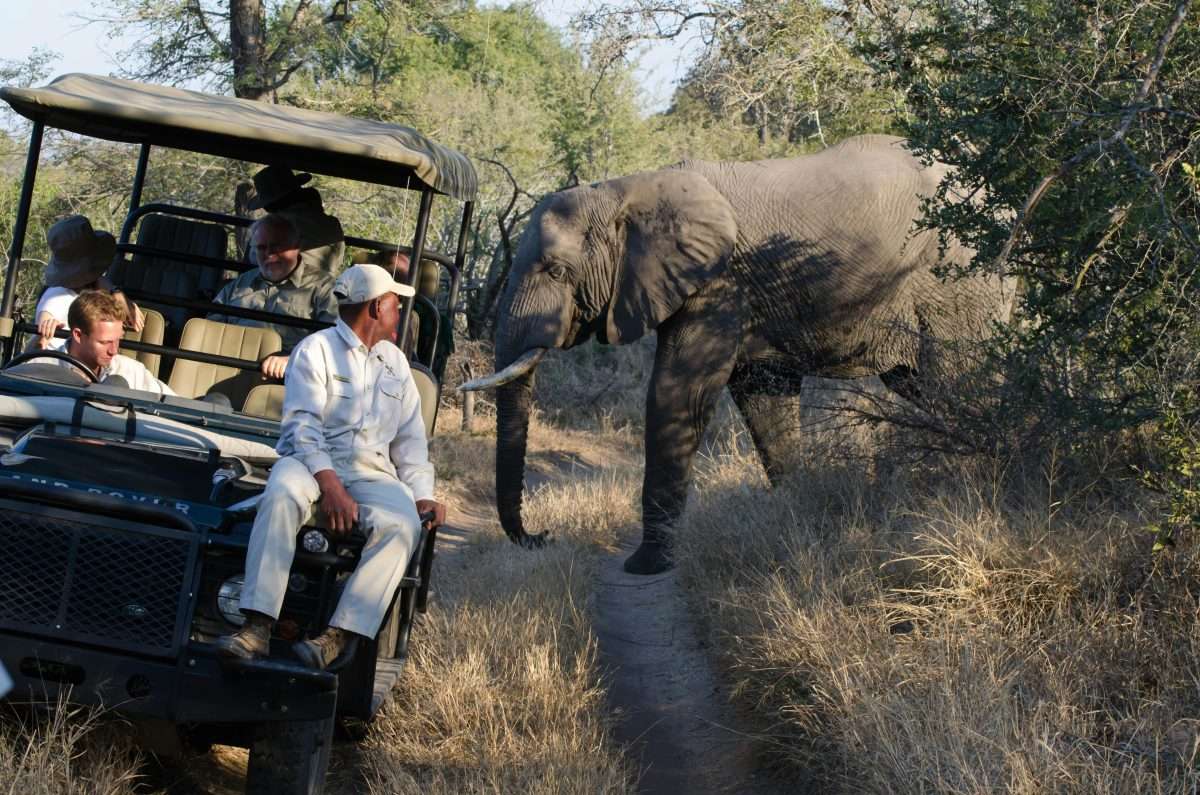
The parks are massive, the roads are rough, and wildlife doesn’t follow a map. Our TourwithPipi guide had years of experience and knew every hidden track inside Serengeti, Tarangire, and Ngorongoro. What really impressed me was how guides communicate through radios. When someone spots a leopard or a cheetah hunt, word spreads fast and suddenly you’re driving straight to the action.
We even saw a tourist vehicle that had stuck in the mud. Everyone was okay, but they were traveling without a professional guide. That moment alone convinced me how important an experienced driver-guide really is.
For your first Tanzania safari, I strongly recommend going with a guide. Once you’re more experienced, maybe a future self-drive safari could be fun, but for now, let the experts handle it so you can relax and enjoy the wildlife.
Why choose Tanzania for your first safari?
If you’re deciding between Tanzania, Kenya, Botswana, Namibia, or South Africa, you honestly can’t go wrong. All of them offer amazing safaris.
I chose Tanzania because it gives you everything in one trip. You can see the Big Five, witness the Great Migration, explore Ngorongoro Crater, relax in Zanzibar, and even climb Mount Kilimanjaro if you want.
From everything I researched, Tanzania and Kenya are the best countries for first-time safari travelers. Both offer incredible wildlife and well-developed safari routes. I went with Tanzania because it fit perfectly with my travel plans and flight options.
And now, after experiencing it myself, I completely understand why Tanzania is considered one of the best safari destinations in Africa.
What is the food like on safari?
This was something I was curious about before going. Honestly, the food surprised me in a good way.
We had breakfast and dinner at the safari lodges, and every day we carried a packed lunch into the parks. Most lodges offered buffet-style meals with lots of options. I saw curries, rice, potatoes, vegetables, pasta, soups, and fresh salads.
I had plenty of choices to eat every day. The food is mainly made for international travelers, especially for foreign tourists so it’s familiar and easy to enjoy. You won’t find much local street food at the lodges, but everything is fresh, clean, and filling after long game drives.
How much should you tip your safari guide?
Tipping is expected on safari, especially for your guide who spends the entire trip with you.
The general recommendation is $10 to $20 per day for your guide, depending on your experience and budget. At the lodges, there’s usually a tip box at the front desk. You can leave money there and it gets shared among the staff.
Our TourwithPipi guide went above and beyond, so tipping felt well deserved.
Bathroom options during a safari
This one made me nervous before the trip, but it turned out to be fine.
Most national parks have visitor centers with proper toilets, especially near picnic sites. But sometimes you’re deep inside the park with no facilities around.
In those moments, you stop next to the vehicle and stay close because of wildlife. Our guide always checked the surroundings first and even carried a small bathroom kit just in case. It felt safe and organized, not awkward at all.
How much does a Tanzania safari cost?
Safaris can be expensive, but it really depends on:
The lodge type
Length of trip
Private vs group safari
Season you travel
This was a special trip for us, so we chose luxury lodges, but TourwithPipi also offers mid-range and budget options. My advice is to get multiple quotes and compare what’s included.
Sometimes a cheaper safari looks good, but once you compare vehicles, guides, and accommodation, you realize why prices differ.
10 Days Tanzania Safari Itinerary
Day 1: Arrival in Tanzania, gateway to the wild
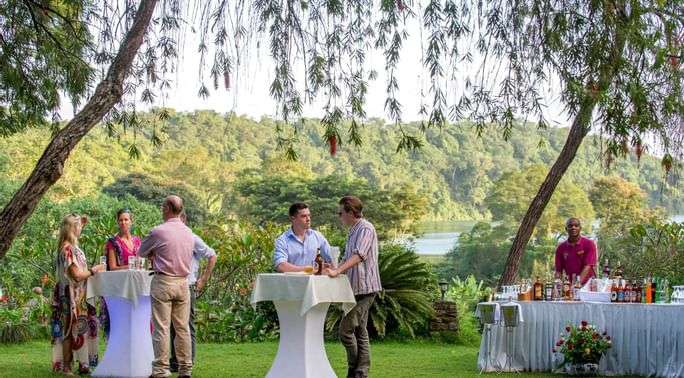
I landed at JRO and was welcomed with a warm Karibu. That first greeting mattered because it calmed my nerves right away. My private guide met me and we drove about an hour to Arusha, passing coffee plantations and green hills with Mount Meru in the distance. It felt like Tanzania was easing me into the trip.
That afternoon was simple and perfect. I unpacked, had a slow dinner, and listened to the safari briefing. It was the first time I heard the rhythm of a safari explained in plain words: start early, rest in the heat, then head out again when animals move. I slept early because my body knew something big was starting.
Accommodation: Arusha Serena Hotel
Meals: Dinner
Day 2: Tarangire National Park, giants of the savannah
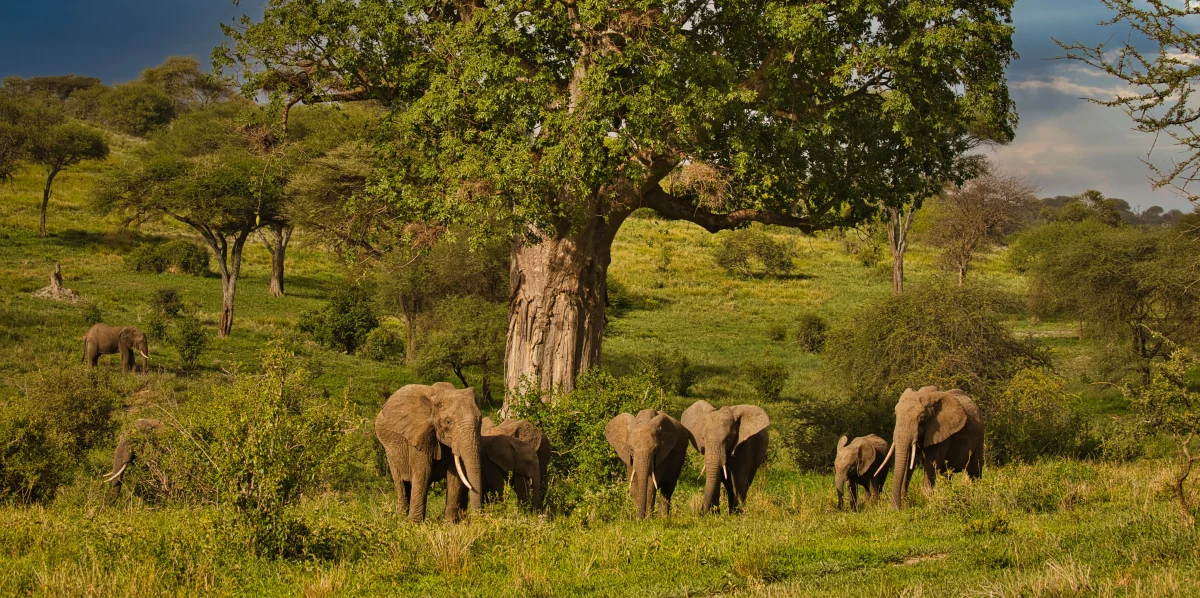
After breakfast we drove to Tarangire, and the landscape changed fast. The road opened up into wide spaces, then the baobab trees started appearing like ancient monuments. Tarangire is known for elephants, and within the first drive I understood why people call it the Land of Giants. We saw big family groups crossing the tracks, dusting themselves, and feeding in slow motion like they had all the time in the world.
We did an afternoon game drive through acacia woodland and open patches near the river. I saw giraffes moving like quiet towers, zebras grazing, and lions resting in shade. Tarangire also surprised me with birdlife, which matters more than you think on a first safari. When you start noticing birds, you start noticing the whole ecosystem.
Accommodation: Nyikani Camp Tarangire
Meals: Breakfast, lunch, dinner
Day 3: Tarangire wilderness exploration
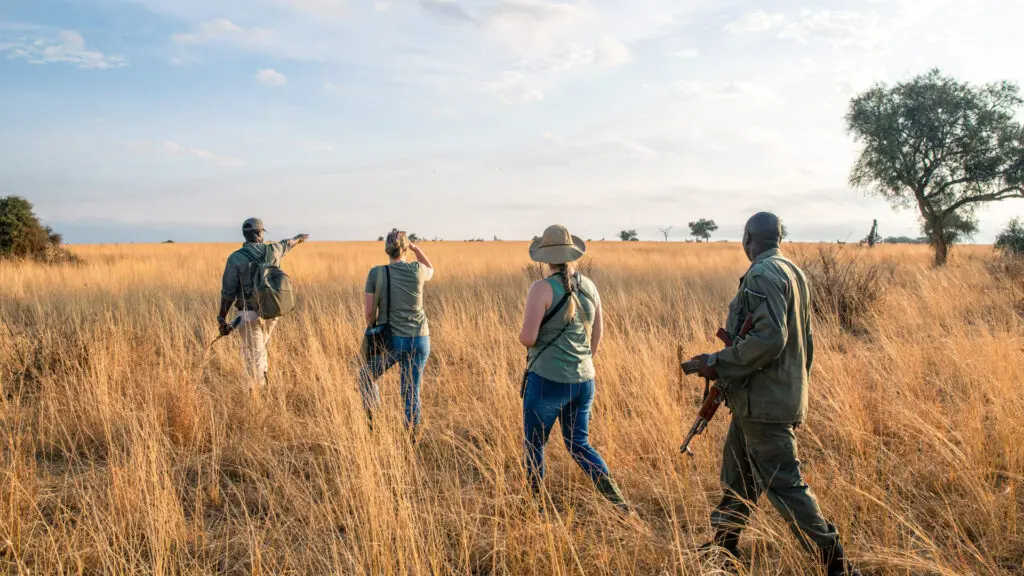
This was my first sunrise game drive, and it set the tone for the whole trip. The air felt cool, the light was soft, and everything looked fresh. We drove slowly, scanning the edges of the road and the distant grass. Early morning is where a safari vehicle turns into a classroom. You learn tracks, you learn calls, and you learn how animals move when it is still quiet.
Later we visited Silale Swamp, where elephants gathered in numbers that made me stop talking. Some were bathing, some were feeding, and calves kept close to their mothers. After lunch and a break, we went out again in the evening for golden hour. Sunset drives are not just about pretty skies. They are about movement, because many animals stand up and head toward water as the heat fades.
Accommodation: Nyikani Camp Tarangire
Meals: Breakfast, lunch, dinner
Day 4: Ngorongoro Highlands and a Maasai encounter
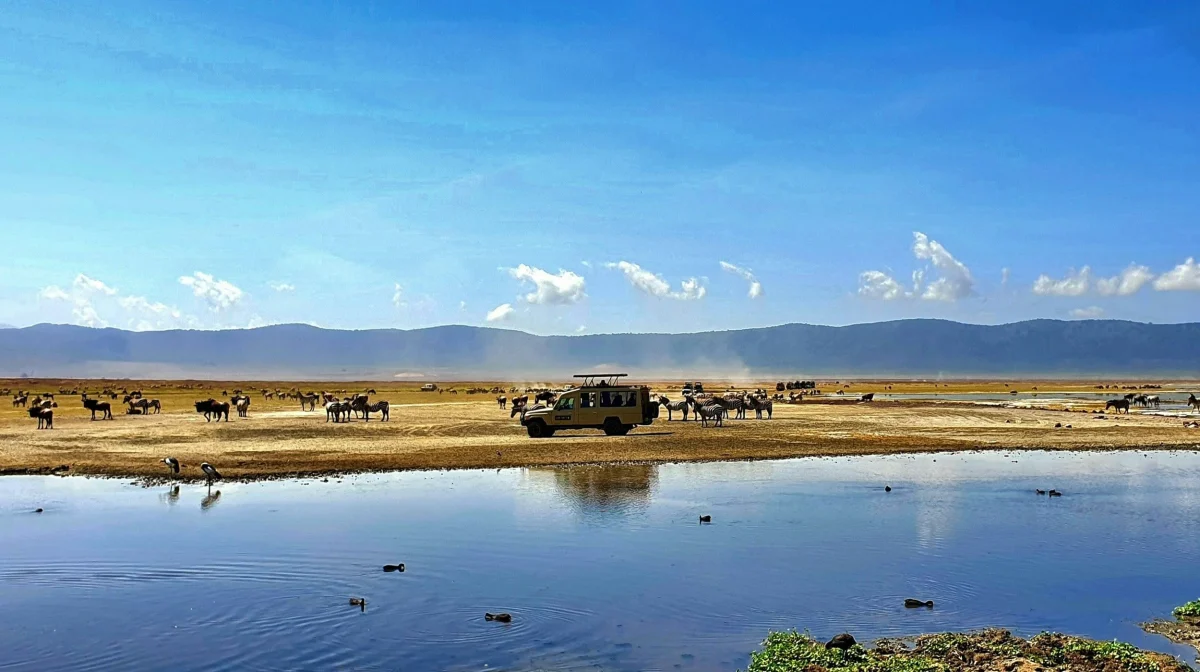
The drive to the Ngorongoro Highlands felt like climbing into a new world. The air cooled, the views widened, and the road curled through green hills. On the way, we visited a Maasai Boma. It was not a quick photo stop. We learned about daily life, cattle, beadwork, and how the community reads the land.
By the time we reached the crater rim lodge, the view was so big it almost looked unreal. Standing there at sunset, I finally understood why people call this area one of the crown jewels of a Tanzania safari itinerary.
Accommodation: Ngorongoro Serena Safari Lodge
Meals: Breakfast, lunch, dinner
Day 5: Ngorongoro Crater, the Eden of Africa, then Olduvai Gorge and Ndutu
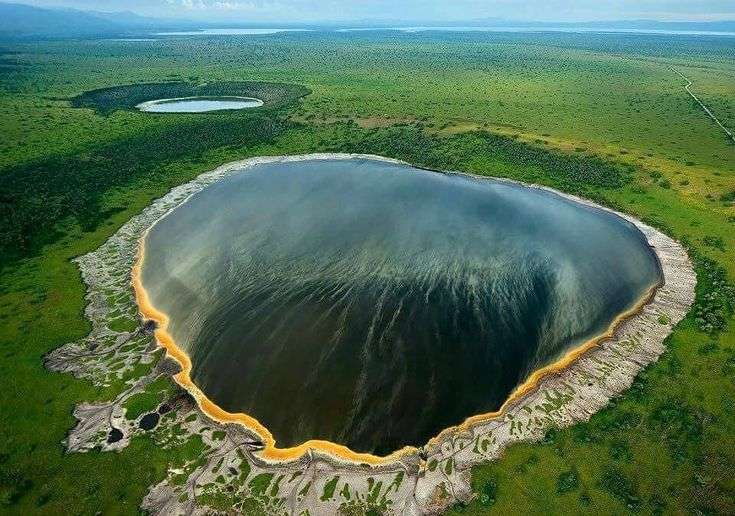
We started early and descended into the Ngorongoro Crater. The floor of the crater holds a high density of wildlife, which makes it ideal for first time travelers who want strong chances of seeing the Big Five. Within hours I had seen lions, buffalo, hippos, and many zebra. We stopped for a picnic near the hippo pool and watched the water ripple with their breathing.
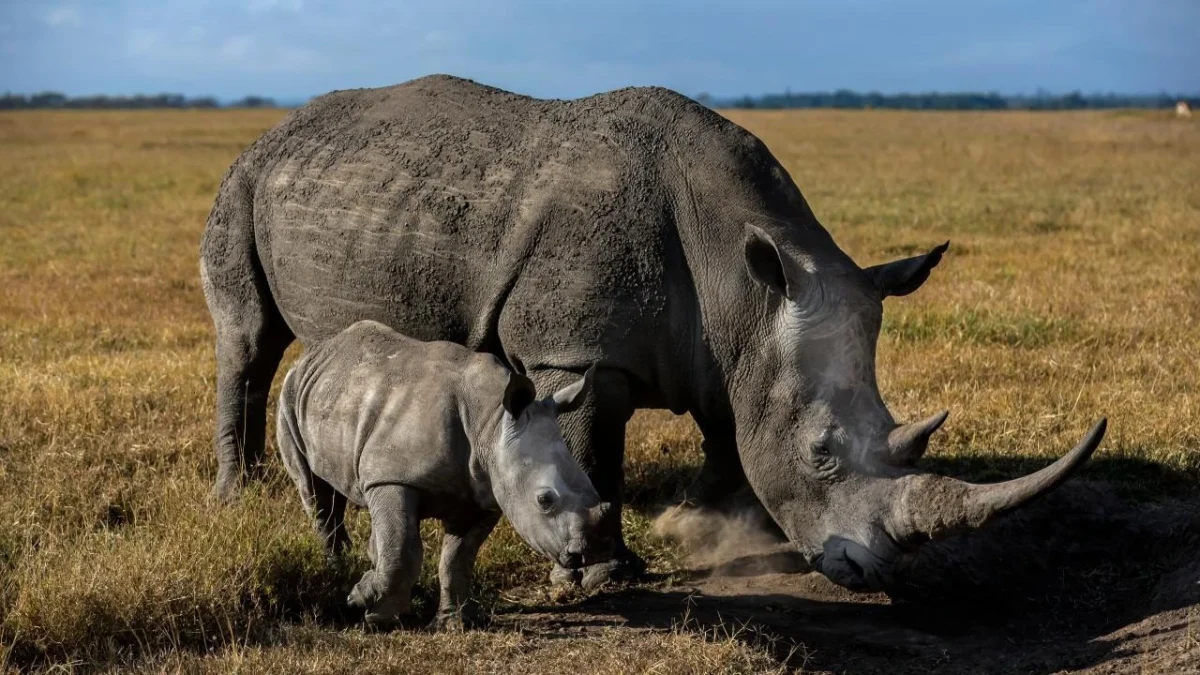
Rhino sightings are never guaranteed, but Ngorongoro is one of the better places to try. Seeing one from a distance still felt like a major win because it reminded me how rare and protected they are.
After the crater, we visited Olduvai Gorge, often called the cradle of humankind. It was a powerful pause in the middle of the wildlife rush. Then we drove on to Ndutu, and the land opened into plains that felt ready for the calving story I came for.
Accommodation: Nyikani Migration Camp Ndutu
Meals: Breakfast, lunch, dinner
Day 6 and Day 7: Ndutu Plains, the calving miracle
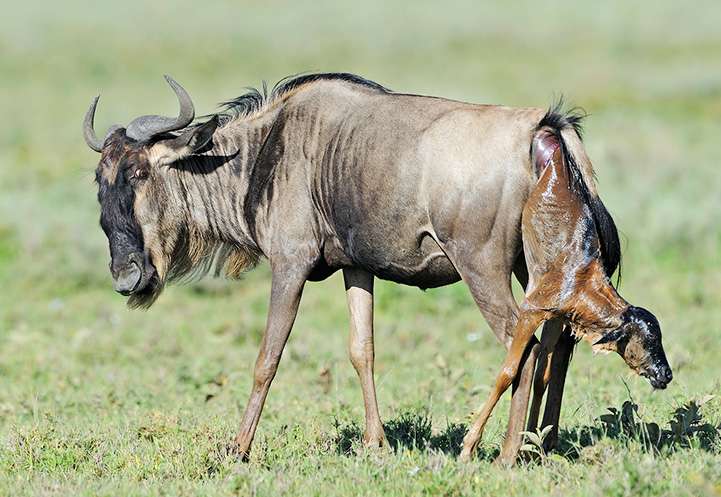
These two days were the heart of my Serengeti calving season itinerary. Ndutu in February feels alive in every direction. Herds stretch across the short grass, and you see newborn calves wobbling beside mothers who barely stop moving. The scale is hard to explain until you are there. During peak calving, thousands of calves can be born daily, and that volume shapes everything else you see.
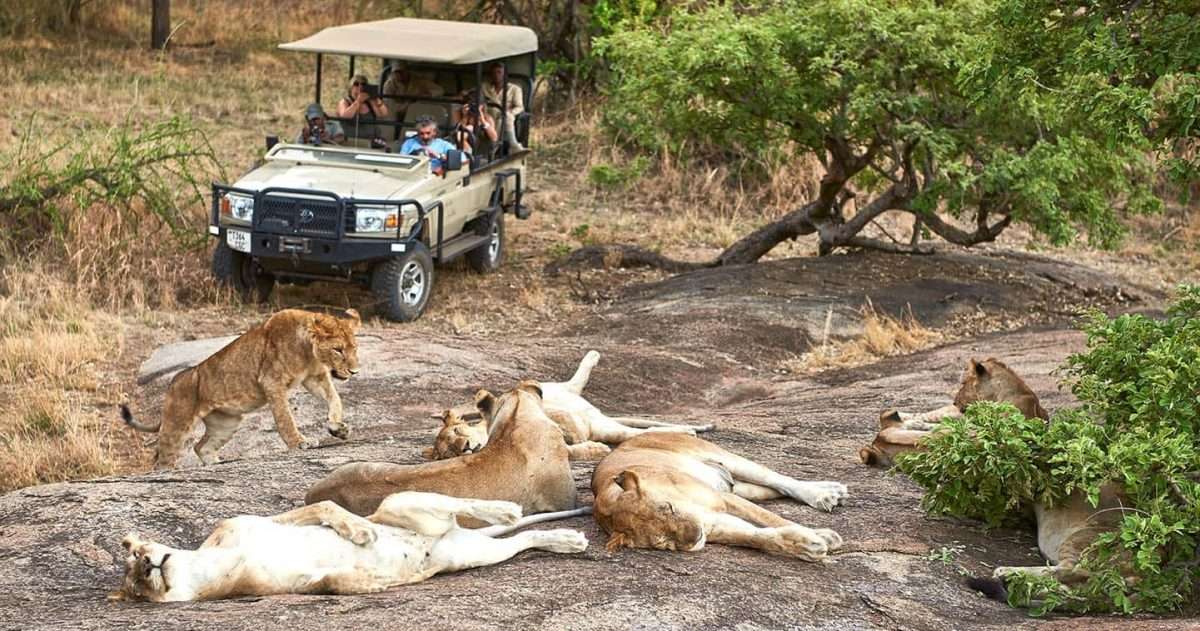
Mornings were for action. We watched lions testing the edges of the herds, cheetahs scanning the open plains, and hyenas circling with patience. Afternoons were for tracking and waiting, which is where a great Tanzania safari guide makes all the difference. A good guide reads the wind, the tracks, and even the birds. You start to understand that wildlife viewing is not luck alone. It is skill, timing, and quiet focus.
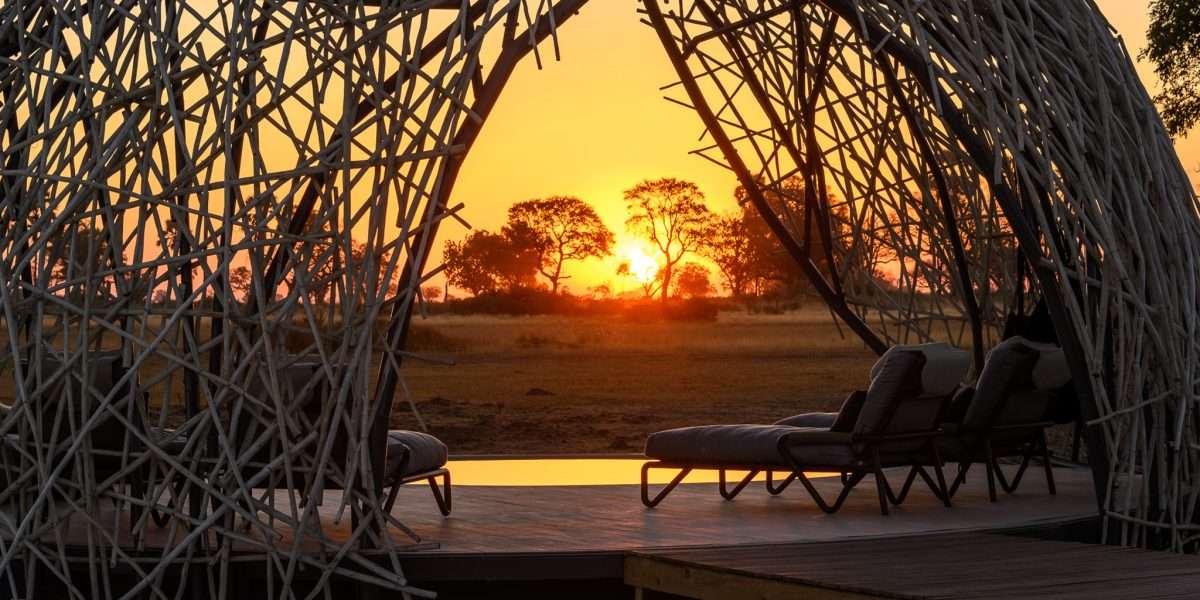
Evenings ended with sundowners and a campfire feeling that is hard to beat. You sit under a sky full of stars, and you realize you are not watching nature from a screen. You are inside it.
Accommodation: Nyikani Migration Camp Ndutu
Meals: Breakfast, lunch, dinner
Day 8 and Day 9: Central Serengeti, the timeless plains
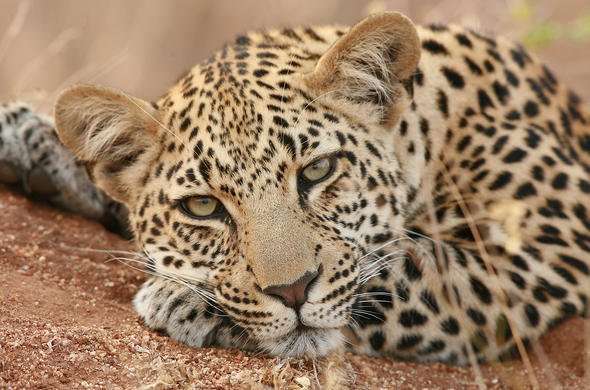
We drove toward Seronera, and the feeling shifted again. Central Serengeti is classic safari scenery: open grasslands, rocky kopjes, and riverine areas where predators like to hide. This is where I felt the famous Serengeti mood people talk about, the endless horizon, the quiet tension, and sudden moments of movement.
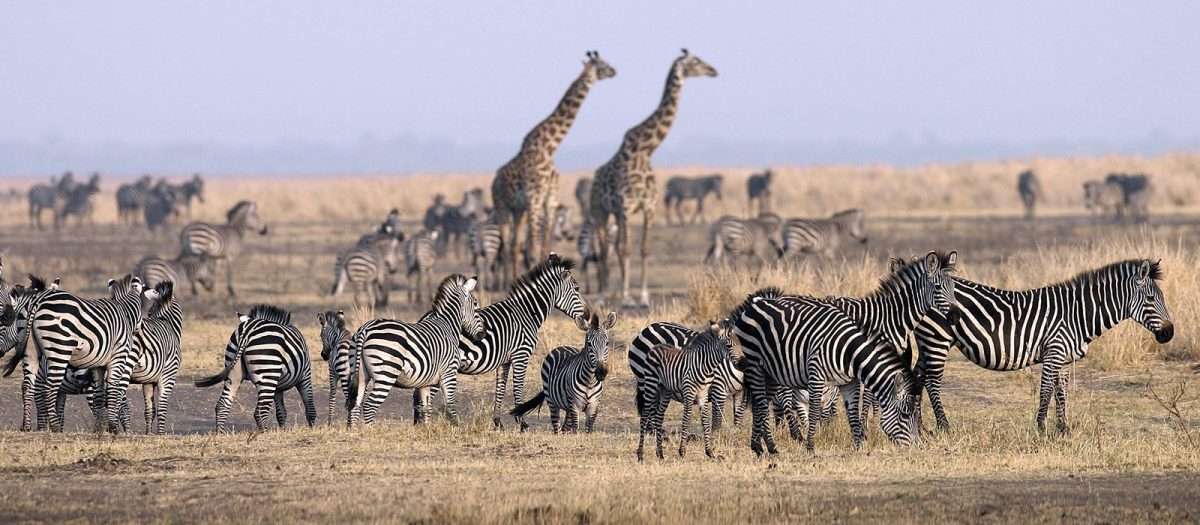
Leopard sightings often come down to patience and the right habitat. In Seronera, we watched the trees along the rivers carefully, especially the big branches where a leopard might rest. Lions were easier to find, often near prey and shade. We also saw plenty of grazing animals that keep the ecosystem moving.
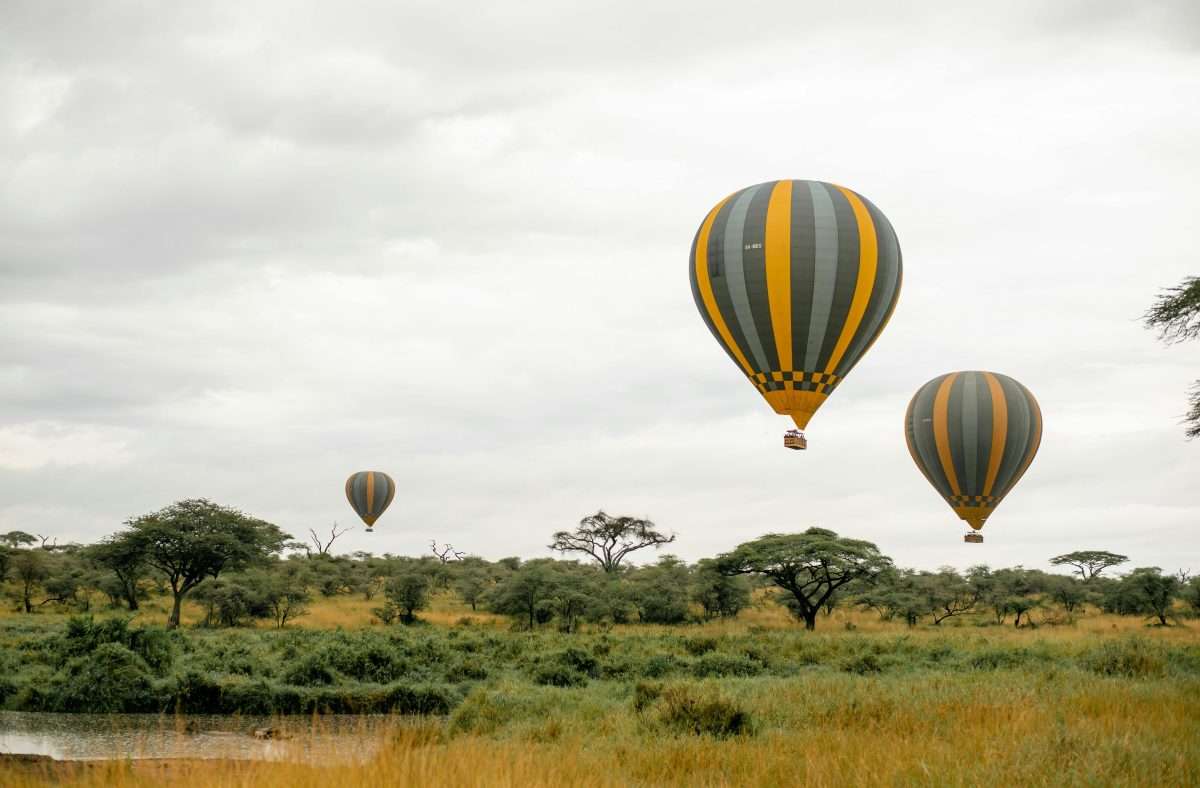
If you love photography, this area is a gift. The light at sunrise can turn the grass gold, and the kopjes create strong shapes in the distance. There is also an optional hot air balloon safari here, which is one of the best ways to understand how huge the plains really are.
Accommodation: Nyikani Camp Central Serengeti
Meals: Breakfast, lunch, dinner
Day 10: Fly to Arusha and departure
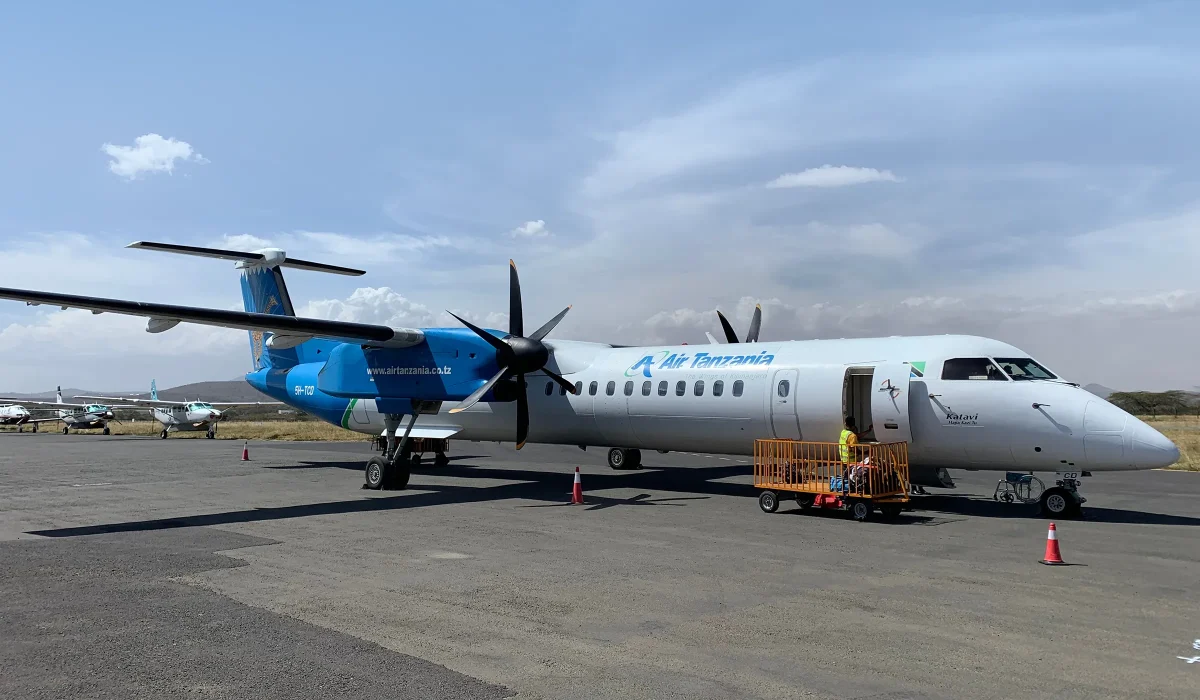
After breakfast, we took a scheduled bush flight from Seronera back to Arusha. That flight was one of my favorite moments because it let me see the Serengeti from above, like a final wide shot at the end of a film.
In Arusha, we had a farewell lunch and a little time for local shopping. Then came the final transfer back to Kilimanjaro Airport. I left tired in the best way, with my camera full and my mind even fuller.
Meals: Breakfast, lunch
Have questions about the best time to visit, calving season, or lodge options?
Get in touch with TourwithPipi and speak directly with safari specialists who know Tanzania on the ground.
Safari photography tips for February
February light can be amazing because clouds soften harsh sun and add mood to skies. The best photos still come from early morning and late afternoon, when animals move and shadows look natural. Keep your camera ready, but also take time to watch without a lens. For gear, a simple zoom lens, binoculars, and a dust cover go a long way.
Wildlife highlights during calving season
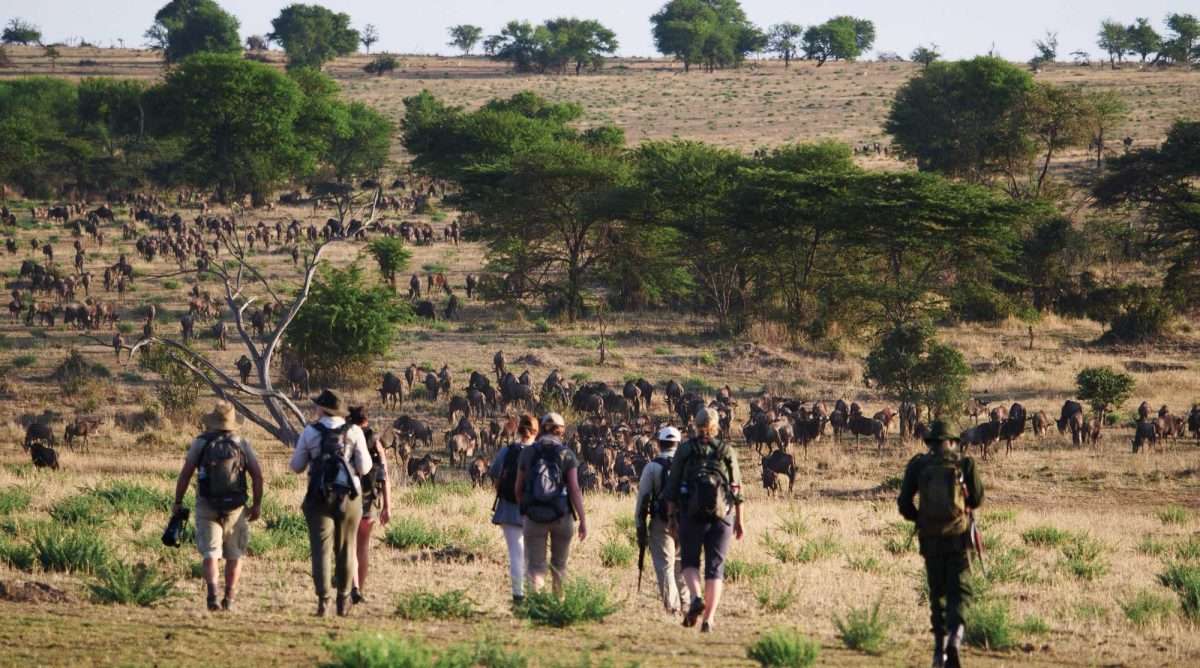
Calving season is not only about baby wildebeest. It is about the entire food chain. You see predator behavior change because hunts become more frequent. You also see herd behavior at scale, with zebras and gazelles often moving alongside the wildebeest. If you want the most dramatic season for big cats sightings Tanzania is known for, this is it.
Book your Serengeti safari in Tanzania with TourwithPipi

If you want to see the Serengeti animals that most people dream about during the Great Migration calving season, these TourwithPipi options match different trip lengths and goals.
10 Days: Great Migration Safari Tanzania
Price: $6,549 per person
A 10 day luxury Tanzania safari built for peak Great Migration timing and classic Serengeti wildlife viewing. Check more info!
10 Days: Calving Season Safari February
Price: $5,889 per person
An 11 day calving season trip focused on Ndutu and the Southern Serengeti for baby animals and predator action. Check more info!
8 Days: Tanzania Calving Safari
Price: $5,429 per person
A shorter February itinerary designed for intense Ndutu wildlife and efficient routing. Check more info!
7 Days: Northern Tanzania Safari
Price: $3,749 per person
A best value private safari across Northern Tanzania parks for first timers who want a strong overview. Check more info!
Add on: Hot Air Balloon Safari
Price: $525 per person
Where the calving happens: Southern Serengeti and the Ndutu region
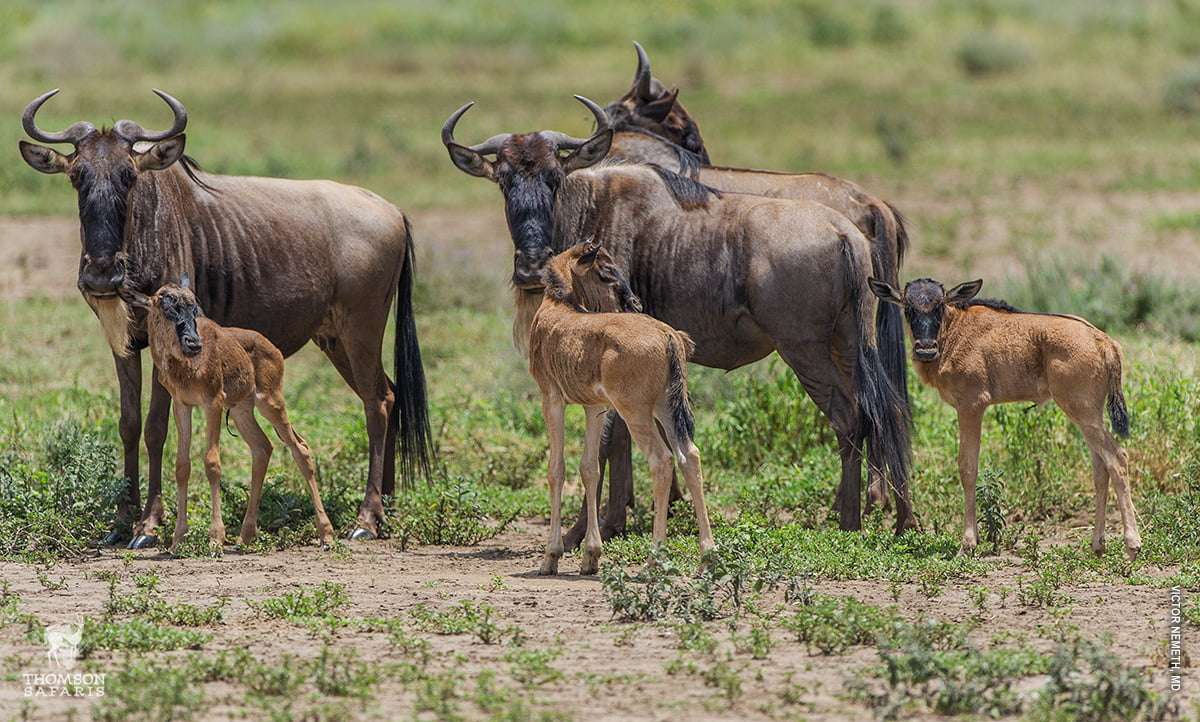
Before I arrived, I thought Serengeti was one single look. Then I learned how the Serengeti wildlife in calving season shifts by region. Ndutu sits in the south, near the Serengeti ecosystem but with its own feel. In February, it becomes the heart of calving season because the plains are open, the grass stays short, and visibility is excellent for big cats sightings Tanzania is famous for.
What makes Ndutu special is how much you see in one drive. You can watch baby animals in Serengeti conditions that feel almost like a nature documentary. You see mothers guarding newborns, you see lions and cheetahs working the edges of the herds, and you see hyenas testing the weak ones. Predator action during calving is real, and it is also balanced by quiet moments that hit you hard, like a calf taking its first steps while the herd keeps moving.
Final thoughts: Is February right for your first safari
If you want fewer crowds, strong wildlife viewing, and a story you can feel in real time, Tanzania safari in February is hard to beat. The Serengeti calving season February window adds the drama of new life and predator action, while the green season safari landscapes make everything look fresh.
My biggest takeaway is this: a first safari is not about perfection. It is about being present. When you let the days unfold, Tanzania gives you moments you could never plan, and that is what makes it unforgettable.
Tanzania Safari Itinerary Summary (February Calving Season)
This 10 day Tanzania safari itinerary is ideal for first time safari travelers, combining Tarangire, Ngorongoro, Ndutu, and the Serengeti during the Serengeti calving season in February, when wildlife sightings are at their peak and landscapes are lush.
February is the best time for a Tanzania safari if you want fewer crowds and dramatic wildlife action, with the green season offering better safari photography, cooler weather, and front-row access to the Great Migration calving season.
The Ndutu region in the Southern Serengeti delivers the most powerful safari experience, where thousands of wildebeest calves are born daily, attracting lions, cheetahs, hyenas, and creating intense predator action during calving.
This safari in Tanzania for beginners focuses on learning, not rushing, with expert guides explaining animal behavior, tracking skills, and daily safari routines, making it one of the best Tanzania safari itineraries for first timers.
Wildlife highlights include the Big Five, big cats, and newborn animals, with unforgettable sightings in Tarangire’s elephant corridors, Ngorongoro Crater’s high-density wildlife zone, and Central Serengeti’s classic plains.
The itinerary balances comfort and adventure through handpicked safari lodges and camps, offering a mix of luxury and authenticity while staying close to wildlife hotspots throughout the journey.
10-Day Tanzania Safari Itinerary:
Day 1 arrive in Arusha, Day 2–3 Tarangire National Park, Day 4 Ngorongoro Highlands and Maasai visit, Day 5 Ngorongoro Crater and Olduvai Gorge then Ndutu, Day 6–7 Ndutu calving safari, Day 8–9 Central Serengeti, Day 10 bush flight to Arusha and departure, making this a complete February Tanzania safari itinerary designed for unforgettable first safari experiences.


