
Travelling to Africa for the first time can feel intimidating. Most people grow up hearing only one side of the story about Africa, often focused on conflict, disease, or hardship. When you’re planning your first trip to Africa, it’s easy to wonder whether those stories reflect reality.
They don’t.
Africa is vast, diverse, and full of fast-developing countries, rich cultures, and well-established travel routes. Whether your first safari in Africa is in Kenya, a road trip through Namibia, wildlife viewing in Tanzania, exploring Morocco’s old cities, or standing in front of the pyramids in Egypt, the experience is nothing like the stereotypes.
I’ve traveled across Africa with couples, families, and children, and what stands out every time is how welcoming and well organized many destinations are. When you prepare properly and travel with the right guidance, Africa feels far more comfortable than most first-time travelers expect.
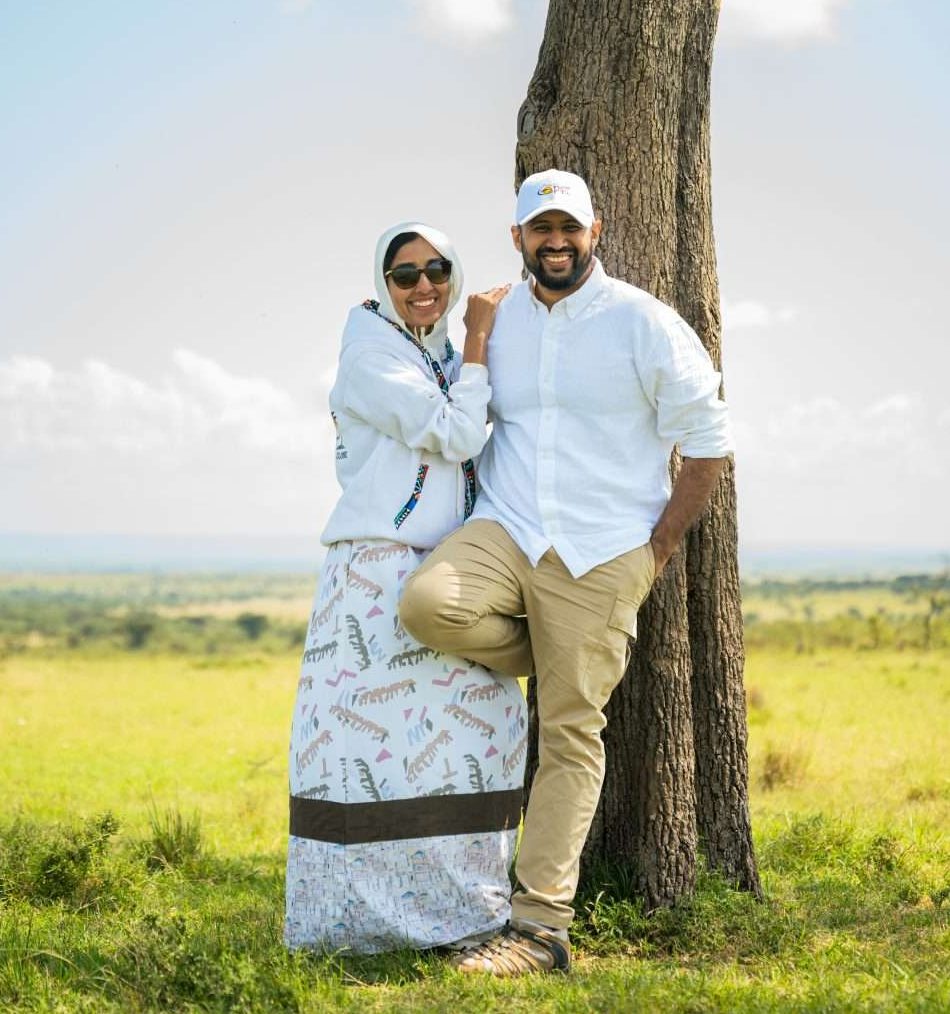
First Time Traveling to Africa: 30 Essential Tips for a Safe & Unforgettable Safari
1. Buy Travel Insurance Before Booking Anything
If this is your first trip to Africa, travel insurance is non-negotiable. I would never recommend booking flights, safaris, or accommodation without insurance already in place. Safari destinations are often remote, and medical care, evacuation, or trip disruptions can be extremely expensive without coverage.
Good travel insurance typically costs only a few dollars per day, yet it can cover medical emergencies, hospital stays, evacuation flights, lost luggage, and trip cancellations. If you fall ill, are injured, or need to change plans unexpectedly, insurance turns a potentially overwhelming situation into a manageable one.
For travelling to Africa for the first time, insurance should be purchased before you book anything else. That way, your entire trip is protected from the start. If insurance is not within budget, it’s better to delay travel than to take unnecessary risks.
At TourwithPipi, we always advise guests on the level of coverage they should have based on their itinerary, especially for safaris and remote regions.
2. Research Entry Rules, Visas, and Yellow Fever Requirements
One common mistake on a first trip to Africa is assuming entry rules are the same everywhere. They are not. Visa requirements vary by country, with some offering visas on arrival, others requiring eVisas, and some still needing advance approval. Yellow fever rules can also depend on where you are arriving from, not just where you are going.
Before you travel, always confirm visa rules, passport validity, and vaccination requirements for each country on your itinerary. These details change, and checking them early avoids airport or border issues. At TourwithPipi, we walk you through every requirement so your journey starts smoothly and confidently.
3. Choose the Right Country for Your First Trip
For your first trip to Africa, choosing the right country matters more than choosing the perfect lodge. Some destinations are simply easier, safer, and more forgiving for first-time travelers.
Countries like Kenya, Tanzania, South Africa, Namibia, and Morocco are ideal because they have strong tourism infrastructure, experienced guides, good roads, and well-established safari circuits. In Kenya and Tanzania, you get classic wildlife experiences and famous parks like the Masai Mara and Serengeti. South Africa works especially well if you want a smooth entry point, malaria-free options, and the ability to combine safari with cities and coast. Namibia is excellent for scenic road trips and quiet landscapes, while Morocco suits travelers who want culture, markets, and desert experiences rather than wildlife safaris.
When you’re travelling to Africa for the first time, these countries remove a lot of uncertainty. You spend less time worrying about logistics and more time enjoying the experience.
4. Best Time to Visit Africa
The best time to visit Africa depends on where you’re going and what you want to do. Timing affects everything from wildlife sightings to beach weather, road conditions, and even trip costs.
For safaris, the best time to go on an African safari is usually during the dry season, when animals gather near water and vegetation is thinner. In Southern Africa like South Africa, Botswana, Namibia, Zambia, and Zimbabwe, this is typically May to October. In East Africa, including Kenya and Tanzania, the best periods are January to March and June to October, which also align with the Great Migration.
If beaches are part of your plan, timing matters even more. Zanzibar and the Kenyan coast are best from June to March, while places like Mauritius are ideal outside cyclone season. Road conditions also improve in dry months, especially in rural or safari areas.
Prices tend to drop during the green or rainy seasons, so if you’re flexible and don’t mind occasional rain, this can be a good option.
5. Pack Smart, Not Heavy
One of the biggest mistakes on a first safari in Africa is overpacking. You don’t need much, but what you bring should be practical.
Stick to neutral-colored clothing, lightweight layers for cool mornings and warm afternoons, and closed shoes for game drives and walking. Sunscreen, insect repellent, a hat, and sunglasses are essentials. Power adapters are important, and a small daypack comes in handy for drives and transfers.
Most safari lodges offer laundry services, so packing smart instead of heavy makes travel far easier. When you’re travelling to Africa for the first time, simple, functional packing keeps you comfortable without slowing you down.
6. Malaria Awareness Without Panic
If this is your first trip to Africa, malaria often becomes one of the biggest worries. The reality is much calmer. Malaria exists in certain regions, mostly at lower altitudes and during wetter months, but it is preventable and manageable when you plan correctly.
Not every destination requires medication. Parts of South Africa, Namibia, and high-altitude areas of Kenya and Tanzania are low-risk or malaria-free. In higher-risk zones, doctors usually recommend preventive tablets alongside simple habits like using insect repellent, wearing long sleeves in the evening, and sleeping under nets when provided. When you understand where malaria is present and follow guidance, travelling to Africa for the first time does not need to feel risky.
7. Watch Water and Food Hygiene
One of the most common issues on a first safari in Africa is stomach trouble, usually caused by unsafe water rather than food. Most tap water in Africa is not considered safe for Western travelers, even in cities and hotels.
The solution is simple. Drink bottled or filtered water, avoid ice unless confirmed safe, and use bottled water for brushing your teeth when advised. Many travelers also take probiotics before and during their trip to help strengthen gut health. With basic awareness, traveler’s diarrhea is easy to avoid, and food hygiene across safari lodges and reputable restaurants is generally very good.
8. Carry a Basic First Aid Kit
When you’re travelling to Africa for the first time, especially on safari, you’re often far from pharmacies or hospitals. A small first aid kit gives peace of mind and handles minor issues quickly.
Include basics like pain relievers, anti-diarrheal medication, rehydration salts, antiseptic cream, plasters, motion sickness tablets, and any personal prescriptions. This is not about fear. It’s about being comfortable and prepared in remote areas where help may take time to reach you.
9. Don’t Skip Vaccinations and Travel Clinics
A regular GP visit is often not enough for Africa travel advice. Travel clinics specialize in region-specific risks and up-to-date vaccination requirements.
Depending on your destination, you may need vaccines such as yellow fever, hepatitis A or B, or typhoid. Travel clinics also advise on malaria prevention, altitude issues, and seasonal health risks. For a first trip to Africa, booking a travel clinic appointment six to eight weeks before departure helps you travel with confidence instead of last-minute stress.
10. Don’t Bring White Clothing
White clothing rarely survives a safari. Dusty roads, unpaved paths, and daily game drives quickly turn white clothes beige or brown.
Neutral colors like khaki, olive, beige, and darker tones are far more practical. They stay cleaner longer, blend into safari environments, and work well across lodges and towns. When packing for your first safari in Africa, practical clothing choices make the trip easier and far more enjoyable.
11. Carry New US Dollar Notes
If you’re travelling to Africa for the first time, this one matters more than most people expect. US dollars are widely accepted across Africa, especially for visas, park fees, tips, and emergency expenses. Some countries, like Zimbabwe, even use USD for everyday transactions.
Always carry clean, newer USD notes, ideally Series 2009 or newer. Older bills, torn notes, or very small denominations like $1 or $5 are often refused by money changers, hotels, and tour operators. I learned this the hard way on my first trip to Africa when several older bills were rejected. Stick to crisp $20 and $50 notes and you’ll avoid unnecessary stress.
12. Use ATMs Instead of Carrying Large Cash
While cash is useful, carrying large amounts is not necessary. ATMs are widely available in cities, airports, and major towns across Africa, and most accept international Visa and Mastercard debit cards.
I recommend withdrawing smaller amounts as needed rather than carrying everything at once. Always inform your bank before travel, keep a backup card in a separate bag, and avoid using isolated ATMs late at night. When used sensibly, ATMs are safe and reliable for first-time travelers to Africa.
13. Get a Local SIM or eSIM
One surprise for many people on their first safari in Africa is how good mobile coverage actually is. Local SIM cards are affordable, data is fast, and coverage is strong in most towns and safari regions.
Buying a SIM at the airport or using an eSIM before arrival makes navigation, payments, WhatsApp communication, and emergency contact much easier. Even remote safari lodges often have at least basic signal. Staying connected adds a strong layer of comfort and safety, especially on your first trip to Africa.
For connectivity in Africa, consider these local SIM/eSIM providers and plans:
- South Africa: Vodacom (Prepaid Tourist SIM with data bundles), MTN (Tourism SIM)
- Kenya/Tanzania: Safaricom (Tourist SIM with data packages), Airtel Africa
- Botswana/Namibia: Mascom (Botswana), MTC (Namibia) – both offer tourist data bundles
- Regional eSIM providers: Airalo (Africa regional eSIM), Holafly, Nomad
Most airports have kiosks selling tourist SIMs with packages like 10GB/30-day plans for $20-30. Data speeds are generally good in cities and decent in safari areas.
14. Expect Power Cuts and Plan for Them
Power outages are normal in many parts of Africa, especially outside major cities. This does not mean anything is wrong, it’s simply part of daily life.
A small power bank, headlamp, or torch makes a big difference, particularly on safari or in rural areas. Lodges usually handle outages well, but having your phone charged and a light handy keeps things smooth. Planning for this in advance helps you stay relaxed and prepared throughout your journey.
15. Dress Modestly and Blend In
When it’s your first trip to Africa, how you dress can shape how comfortable you feel moving around. In most places, dressing modestly and simply helps you blend in and avoid unnecessary attention. Flashy jewelry, expensive watches, or loud designer clothing can make you stand out in busy towns and markets.
I always recommend neutral, practical clothing that suits the climate and respects local culture. This is especially important outside safari lodges, in villages, markets, and religious areas. Dressing thoughtfully isn’t about restriction, it’s about showing awareness and traveling with confidence.
16. Ask Before Taking Photos of People
On your first safari in Africa, you’ll see daily life that feels completely new and fascinating. It’s natural to want to take photos, but people are not tourist attractions. Taking photos of locals without permission can offend them, even if your intentions are good.
The respectful approach is simple. Ask first. If they say yes, take the photo and show it to them afterward. If they say no, thank them and move on. In some places, people may ask for a small tip after a photo. This is normal and not aggressive. A small amount keeps things friendly and shows respect for their time and space.
17. Keep voices low on game drives to avoid scaring animals
On a game drive, animals are highly sensitive to sound and movement. Speaking loudly, laughing, or sudden noise can cause wildlife to retreat or become alert. Keeping your voice low helps animals remain calm and continue their natural behavior. This not only improves sightings but also makes the safari safer and more rewarding for everyone in the vehicle.
18. Handle Hustlers Calmly
Street sellers, guides, and taxi offers are common in many African cities. For first-time travelers to Africa, this can feel overwhelming at first, but it’s usually harmless. The key is confidence, not confrontation.
I’ve found that staying polite, relaxed, and brief works best. If someone asks if it’s your first time visiting, simply saying “No, I’ve been before” often ends the conversation quickly. You don’t need to explain yourself. A smile, a calm “no thank you,” and continuing to walk is usually all it takes.
19. Use Common Sense to Stay Safe
If you’re wondering whether safaris are safe or if Africa feels risky, the honest answer is that common sense goes a long way. I’ve traveled across Africa many times, and the situations where people feel unsafe usually come from ignoring basic travel awareness. Avoid walking alone late at night, listen to local advice, and ask your guide or hotel staff about areas to avoid.
Africa is not dangerous by default. When you travel thoughtfully and stay aware of your surroundings, it feels no different from traveling anywhere else in the world.
20. Stop Connecting to Public Wi-Fi Without Protection
Free Wi-Fi is widely available in hotels, cafés, and airports, but security standards can vary. On your first safari tour to Africa, it’s smart to avoid logging into banking apps, emails, or payment platforms on open networks.
I always recommend using a VPN or sticking to mobile data for anything sensitive. Local SIM cards and eSIMs are affordable and reliable, and they give you peace of mind when you’re booking transfers, checking flights, or staying in touch with family.
21. Baby Wipes Are a Must
This might sound small, but baby wipes are one of the most useful things you can carry. On safari days, road trips, or long transfers, they help you freshen up when there’s no running water nearby.
I always keep a pack in my day bag. They’re perfect for dusty roads, quick cleanups, or just feeling human again after a long game drive.
22. Bring Home Meaningful African Souvenirs
Africa offers some of the most beautiful and authentic souvenirs in the world. Look for handcrafted beadwork, Maasai blankets, Kitenge and Kanga textiles, and wood carvings made by local artisans. In Kenya, soapstone sculptures are popular, while Tanzania is known for spices and rare Tanzanite gemstones, found only in this region.
Edible gifts are also a great idea. Premium coffee and tea from Kenya and Tanzania, Fynbos honey from South Africa, Rooibos tea, or Moroccan dates travel well and make thoughtful presents. Buying locally supports communities and gives your souvenirs real meaning.
23. Tip Guides, Lodge Staff, and Drivers
Tipping is part of safari culture and is genuinely appreciated. Your safari guide, driver, trackers, and lodge staff work long hours to make your experience smooth, safe, and memorable.
There’s no pressure to overdo it, but a fair tip reflects respect for their effort and expertise. If you’re unsure about amounts, your lodge or tour operator will usually provide clear guidelines.
24. Listen to Your Safari Guide
One of the biggest reasons safaris are safe is because of the guides. They are trained professionals who understand animal behavior, terrain, and safety protocols better than anyone.
When your guide asks you to stay seated, keep quiet, or not point outside the vehicle, it’s for a reason. Following their instructions keeps everyone safe and ensures wildlife encounters remain calm and respectful.
25. Choose a Reputable Local Tour Company

If this is your first safari in Africa, who you book with matters more than anything else. A trusted local operator handles logistics, safety, route planning, and real-time decisions on the ground.
At TourwithPipi, we plan private, well-paced safaris with experienced guides, vetted lodges, and full support from arrival to departure. You travel confidently, knowing every detail is handled by people who truly know Africa.
Ready to plan your first African safari the right way? Book your journey with TourwithPipi and explore Africa safely, comfortably, and at your own pace.
26. Don’t Flash Expensive Items or Walk Alone at Night
On your first trip to Africa, it’s best to keep valuables low-key. Avoid wearing flashy watches, expensive jewelry, or displaying high-end cameras in cities. At night, especially in urban areas, use hotel transport or a trusted taxi instead of walking alone. Blending in reduces attention and keeps travel stress-free.
27. Bring an Effective Bug Spray
A good insect repellent is essential, particularly in safari areas and coastal regions. I always carry one with DEET or a proven alternative, especially for evenings and early mornings. Using bug spray consistently is one of the simplest ways to prevent bites and stay comfortable throughout your trip.
28. Wildlife Sightings Don’t Follow a Schedule
Wildlife is unpredictable, and that’s part of what makes a safari special. You don’t need to see everything on the first game drive. Some days are quiet, others are extraordinary. Relax, enjoy the landscape, and trust your guide. The best sightings often happen when you least expect them.
29. Be Patient With Slower Travel Days
Travel in Africa can move at a gentler pace. Roads may be rough, flights can shift, and transfers can take longer than planned. I’ve learned that patience makes the experience far more enjoyable. Build flexibility into your itinerary and treat delays as part of the adventure, not a problem.
30. Learn a Few Local Words
Learning a few basic phrases goes a long way. Simple greetings like “Jambo” in Swahili or a polite thank you in the local language instantly create warmth and respect. Locals appreciate the effort, and it often leads to friendlier interactions and memorable moments.
Final Thought
Your first trip to Africa doesn’t need to feel overwhelming or uncertain. With the right planning, trusted guides, and a thoughtful approach, Africa is welcoming, safe, and deeply rewarding. Whether it’s your first safari in Africa or your first time exploring the continent, traveling smart and choosing experienced local experts turns fear into confidence and moments into lifelong memories.
Blog Summary: First Time Traveling to Africa: What You Need to Know
Africa is safe to visit for first-time travelers when you plan properly, choose the right countries, and travel with reputable guides or safari operators.
The best time to visit Africa depends on region, but the dry season (June to October) is the best time to go on an African safari for wildlife viewing.
Kenya, Tanzania, South Africa, Namibia, and Morocco are the safest and most beginner-friendly African countries for a first trip.
Travel insurance is non-negotiable for Africa travel, covering medical evacuation, trip delays, lost baggage, and emergencies in remote safari areas.
Malaria risk is manageable with proper planning, malaria-free regions, medication where required, and simple prevention like repellent and long sleeves.
Tap water is not safe to drink in most African countries, but bottled water, probiotics, and basic hygiene easily prevent traveler’s diarrhea.
Safaris are safe when done with certified guides, well-maintained vehicles, and clear rules like staying seated and following ranger instructions.
Packing smart matters more than packing heavy, focusing on neutral clothing, layers, sunscreen, bug spray, closed shoes, and power banks.
Local SIM cards and ATMs are widely available, making communication and payments easy while avoiding carrying large amounts of cash.
Choosing a trusted local tour company like TourwithPipi ensures safety, correct timing, vetted lodges, expert guides, and a smooth first African safari experience.


