
A Kenya safari is one of those trips that changes how you see the world. The Masai Mara at dawn, a lion pride crossing the road in front of your Land Cruiser, elephants moving through Amboseli with Kilimanjaro behind them. No photograph does it justice. You have to be there.
This guide covers everything: the best time to go, which parks to visit, how many days you actually need, what it costs, how to get there, what to pack, and how to stay healthy and safe. If you are planning a Kenya safari for 2026 or 2027, start here.
How to Plan a Kenya Safari: Quick Answer
- Best time to go: Travel between June and October for dry season game viewing and the Great Migration Mara River crossings. January and February work well if you cannot travel mid-year.
- Choose your parks: The Masai Mara is the priority for first-time visitors. Add Amboseli for elephants under Kilimanjaro or Ol Pejeta for rhinos. A 5-day trip covers two parks comfortably. Eight days covers three.
- Road or fly-in: A road safari costs less and covers the Kenyan countryside between parks. A fly-in safari saves three to six hours of travel time per transfer and puts you directly inside the reserve. Choose based on your time and budget.
- What it costs: Kenya safari packages with TourwithPipi start from $1,739 per person for a 5-day road safari and $5,519 per person for an 8-day luxury fly-in covering three parks. Prices include park fees, full board, guide, and all transfers. Budget extra for visa, travel insurance, and tips.
- Before you depart: Apply for your Kenya eTA online at least two weeks before travel. See a travel doctor for malaria medication and any recommended vaccinations. Take out travel insurance with medical evacuation cover before you fly.
Where Is Kenya and Why Does It Matter for Safari?
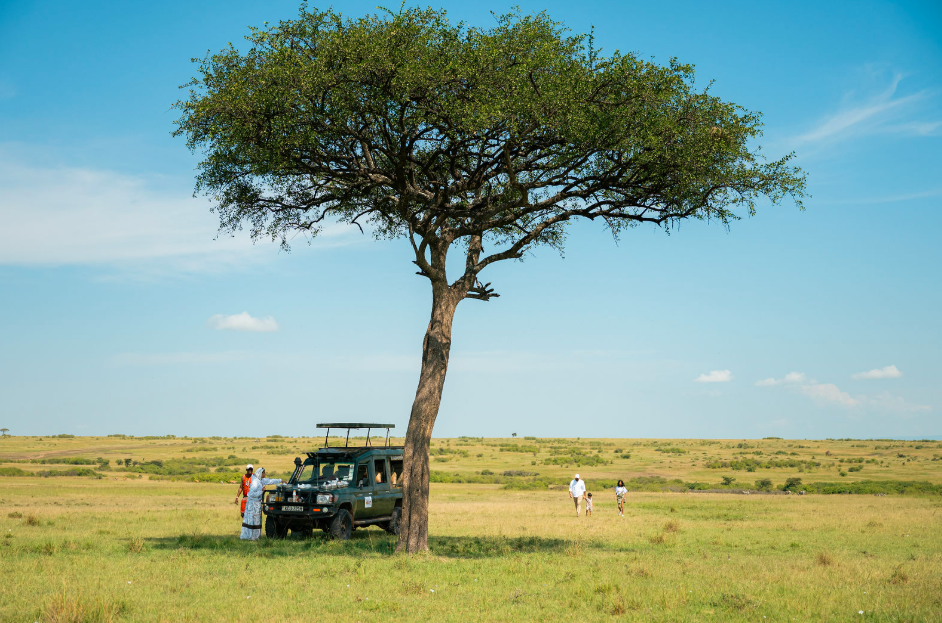
Kenya sits on the eastern coast of Africa, straddling the equator. The country shares borders with Tanzania to the south, Uganda to the west, and Somalia and Ethiopia to the north. This geography puts Kenya at the heart of East Africa’s greatest wildlife corridor.
The Masai Mara in southwestern Kenya connects directly to the Serengeti in Tanzania, forming the ecosystem that drives the Great Wildebeest Migration. Amboseli in the south sits beneath Mount Kilimanjaro. Ol Pejeta Conservancy in central Kenya holds the last northern white rhinos on earth. You are not just visiting a country. You are entering one of the most biodiverse landscapes on the planet.
Best Time to Visit Kenya for Safari
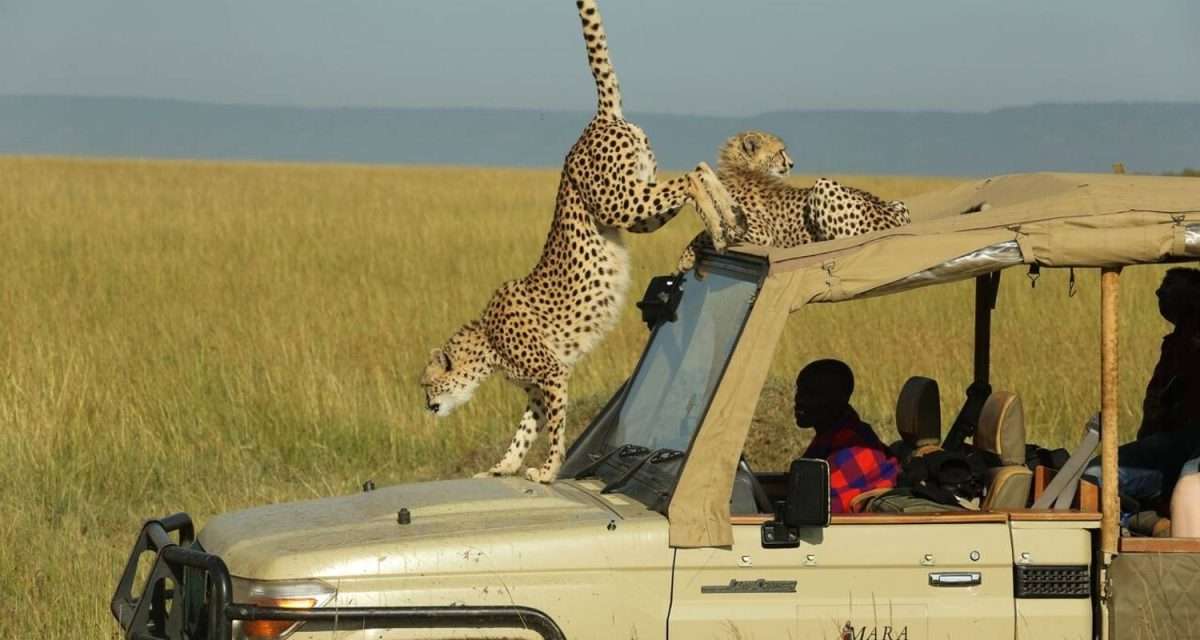
Kenya has two dry seasons and two short rainy periods. The long dry season runs from late June through October. The short dry season falls in January and February. Both are excellent for safari.
| Season | Months | What to Expect |
|---|---|---|
| Long Dry Season | June to October | Best wildlife viewing, Great Migration, lower vegetation |
| Short Dry Season | January to February | Good game viewing, fewer crowds, lower rates |
| Long Rains | March to May | Lush landscapes, fewer tourists, some roads muddy |
| Short Rains | November to December | Occasional afternoon showers, still good for wildlife |
The dry season brings animals to permanent water sources, making sightings more predictable. Vegetation thins out so visibility improves. Mornings in the Mara run cool at around 55°F and afternoons reach 77°F to 82°F. The sun is intense out on open ground so light layers and a hat matter more than you think.
If you cannot travel during dry season, January and February are a strong second choice. Rates are lower, the parks are quieter, and wildlife is still consistently active.
When to Plan the Great Migration in Kenya

The Great Wildebeest Migration is the largest overland animal movement on earth. Around 1.5 million wildebeest, along with zebra and gazelle, move in a circular route between the Serengeti in Tanzania and the Masai Mara in Kenya. The Mara River crossings, where herds plunge into crocodile-filled water to cross from Tanzania into Kenya, happen between July and October.
Here is the honest truth about timing: nobody can guarantee a crossing. The herds move on instinct, not schedules. But positioning yourself in the northern Masai Mara between late July and mid-October gives you the best odds. A single crossing lasts two to three minutes and then it is over. If you are at the right spot with a good guide, it is one of the most extraordinary things you will ever witness.
Mid to late October is worth considering if you want to catch the tail end of the migration with far fewer vehicles around. TourwithPipi’s 8-day luxury fly-in safari is timed specifically around migration season, placing you at the Mara River with guides who track herd movement daily.
Which Kenya Safari Parks Should You Visit?
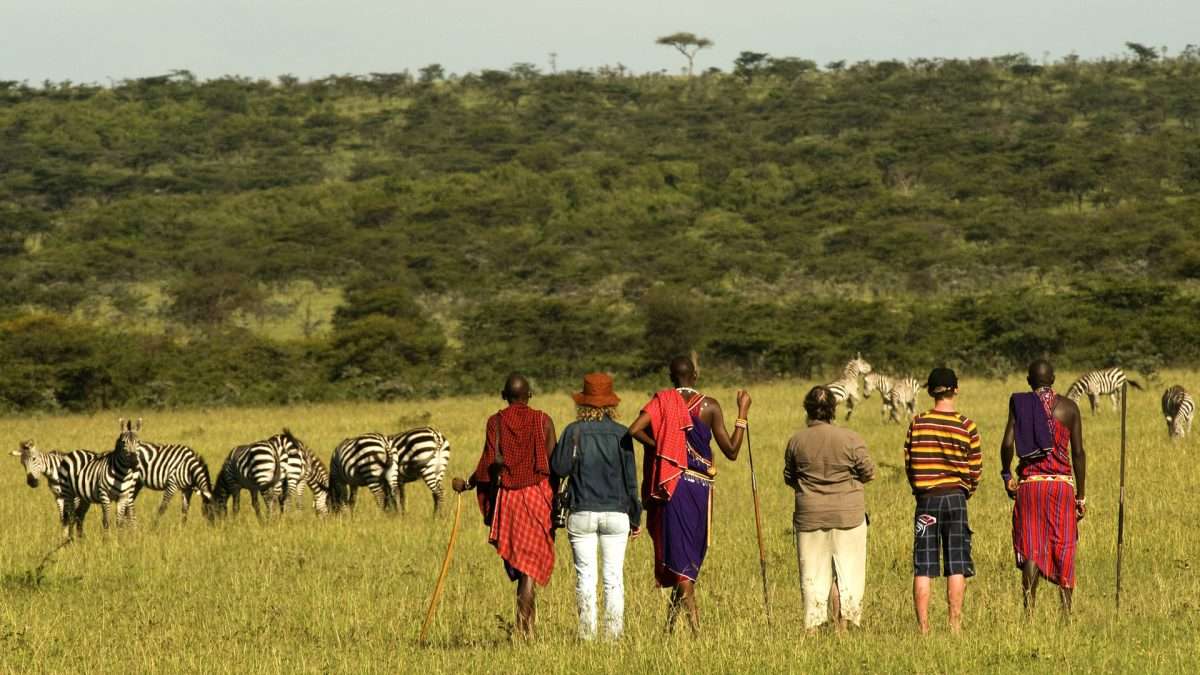
Kenya has more than 50 national parks and reserves. Most first-time visitors cover two or three. Here are the ones that matter most.
Masai Mara National Reserve is the headline act. Open savannah stretching to the horizon, the highest density of predators in Africa, and the Great Migration from July to October. Game drives here produce Big Five sightings with consistency that few other reserves match. The Mara is 1,510 square kilometers but your guide will know exactly where the action is on any given day.
Amboseli National Park is Kenya’s elephant park. Large herds of free-roaming elephants set against the backdrop of Mount Kilimanjaro make this one of the most photographed landscapes in Africa. At 392 square kilometres it is more compact than the Mara, which means sightings are dense and drives feel productive from the first hour.
Ol Pejeta Conservancy sits in Laikipia County at the base of Mount Kenya. It is East Africa’s largest black rhino sanctuary and home to the last two northern white rhinos on earth, Najin and Fatu, who live under 24-hour armed guard. The conservancy also has a chimpanzee sanctuary and excellent predator sightings across its 364 square kilometres.
Lake Nakuru National Park is a UNESCO World Heritage Site covering 188 square kilometres in the Great Rift Valley. It is one of Kenya’s most important rhino sanctuaries, home to both white and black rhinos, Rothschild giraffes, and over 400 bird species. Flamingos flock to the alkaline lake in large numbers depending on water levels.
Samburu National Reserve in northern Kenya offers a different wildlife set entirely. Grevy’s zebra, reticulated giraffe, Somali ostrich, and gerenuk are species you will not find in the Mara. For repeat visitors or serious wildlife photographers, Samburu adds a dimension that the southern parks cannot.
Road Safari vs Fly-In Safari: Which One Is Right for You?
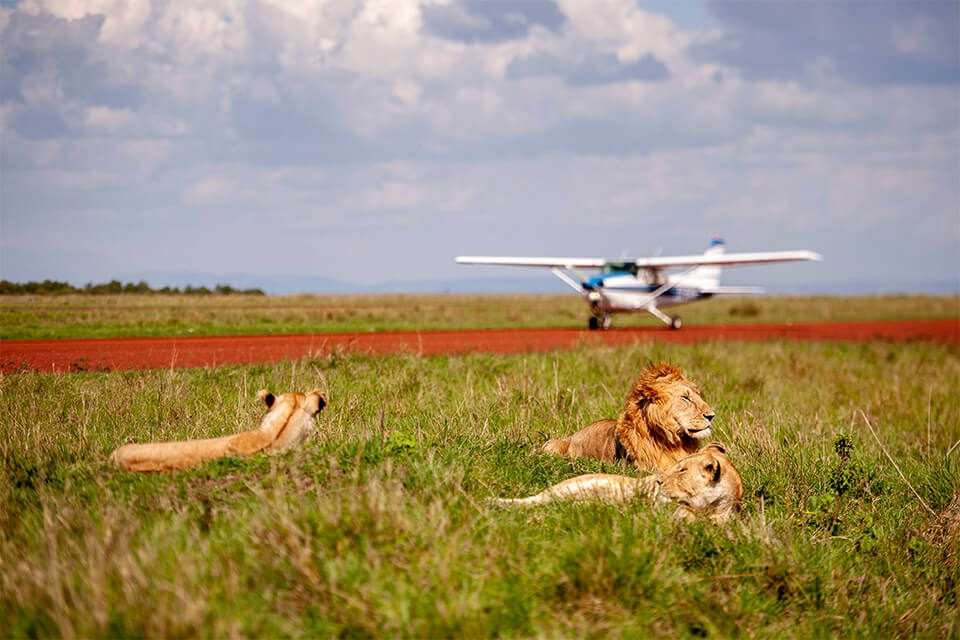
This is one of the most common questions TourwithPipi gets. The answer depends on your time, budget, and what kind of trip you want.
| Factor | Road Safari | Fly-In Safari |
|---|---|---|
| Travel time between parks | 3 to 6 hours by road | 45 minutes to 1.5 hours by air |
| Cost | Lower per person | Higher per person |
| Scenery en route | Kenyan countryside, Rift Valley views | Aerial views of landscape |
| Best for | Flexible travelers, budget-conscious, couples | Families, limited time, luxury travelers |
| Comfort | Good in 4×4 Land Cruiser | High, no long road transfers |
| Parks reachable | All major parks | All major parks with airstrips |
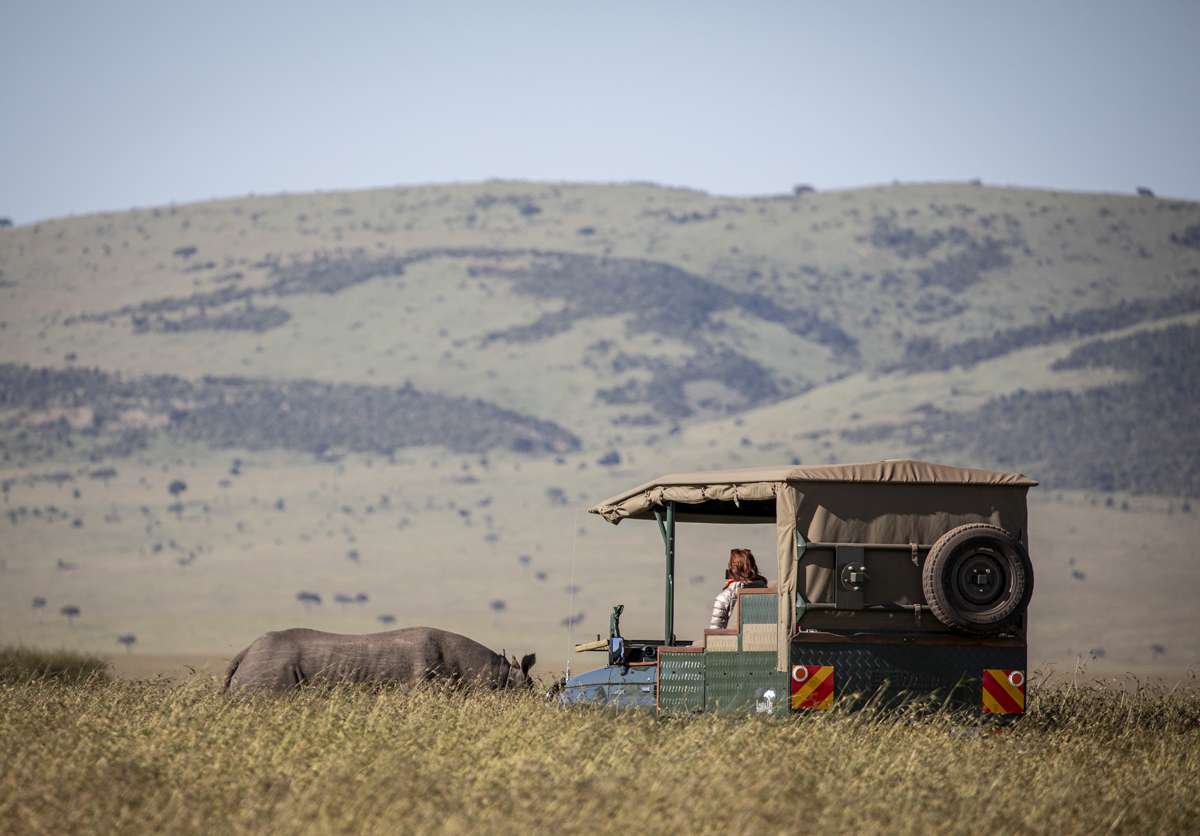
TourwithPipi’s 5-day Kenya road safari takes you from Nairobi through the Great Rift Valley to Lake Nakuru, then on to the Masai Mara, with stays at Sarova Lion Hill Game Lodge and Sarova Mara Game Camp. The drive itself is part of the experience. The landscape shifts dramatically as you drop into the valley.
The 8-day luxury fly-in safari covers Ol Pejeta, the Masai Mara, and Amboseli, with bush flights between each destination on FLY ALS. You stay at The River Camp Ol Pejeta, Soroi Mara Bush Camp, and Elewana Tortilis Camp in Amboseli. If your time is limited or you want to cover three parks without spending hours in a vehicle, this is the better option.
How Many Days Do You Need for a Kenya Safari?
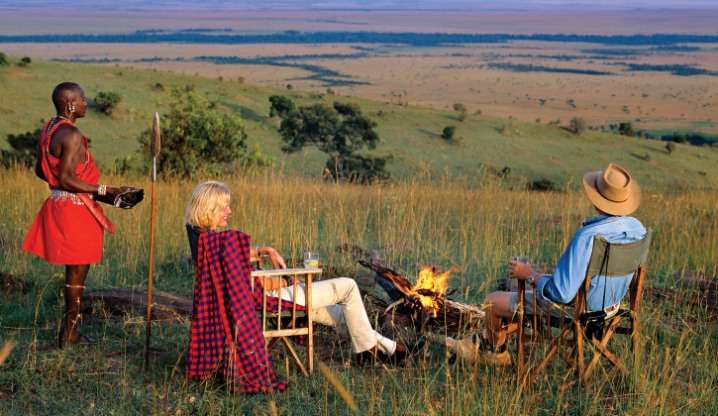
Honestly, more than you think. A lot of travelers try to squeeze Kenya into three or four days and leave wishing they had stayed longer.
5 days Kenya safari works well for a focused two-park safari covering Lake Nakuru and the Masai Mara. You get two full days in the Mara, which is enough to see predators, elephants, and if the season is right, migration activity. TourwithPipi’s 5-day road safari starts from $1,269 per person for a group of six.
7 days Kenya Safari gives you room to breathe. Two parks with an extra day in the Mara means you can do an optional hot air balloon safari, a Maasai village visit, and still have a full day dedicated to tracking specific animals.
8 days is the sweet spot for a three-park safari. Covering Ol Pejeta, the Masai Mara, and Amboseli with fly-in transfers means you see rhinos, the Big Five on open savannah, and elephants beneath Kilimanjaro, all within a single trip. TourwithPipi’s 8-day fly-in safari starts from $5,519 per person.
9 to 10 days makes sense if you want to add a beach extension or a fourth park like Samburu. Kenya’s coast is genuinely worth the extra days if you have them. Check out This 9-day luxury Kenya honeymoon escape combines the dramatic wildlife landscapes of the Great Rift Valley and Maasai Mara with a secluded island retreat on Chale Island. It is a perfectly balanced itinerary for those seeking high-end adventure followed by total coastal serenity.
Kenya Beach Extensions: Diani, Watamu, Lamu and Chale Island
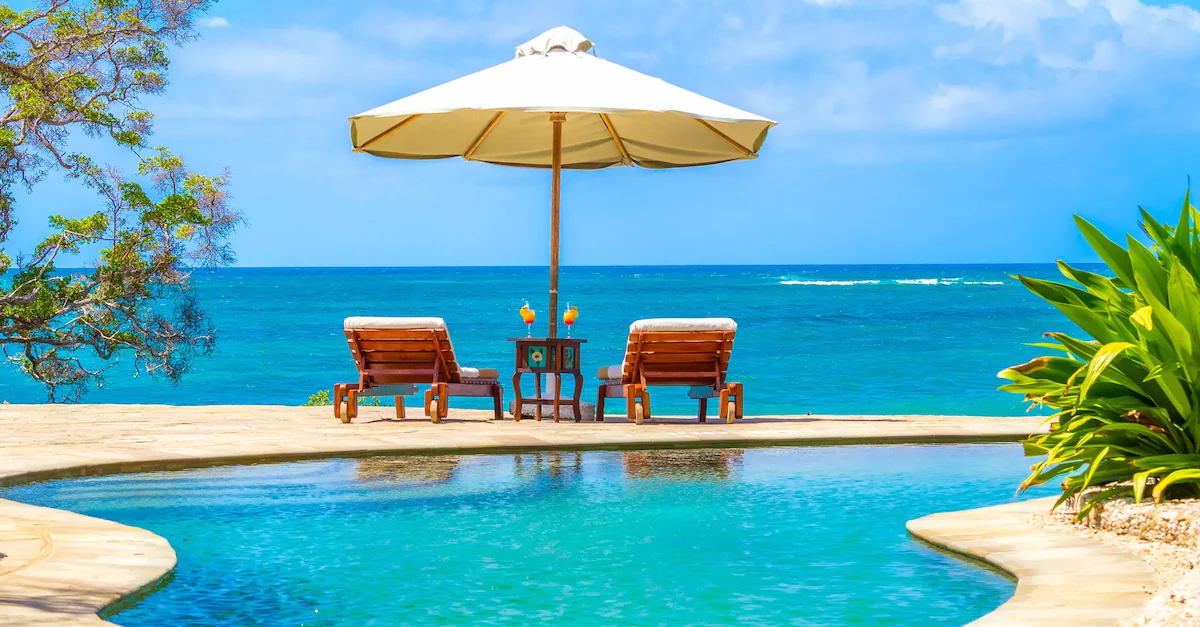
A Kenya safari followed by a few days on the Indian Ocean coast is one of the best trip combinations in Africa. The contrast is real: from open savannah to white sand, coral reefs, and dhow boats in a single trip.
Diani Beach on the south coast is the most popular option. It is 30 kilometres south of Mombasa, accessible by a short domestic flight from Nairobi. The beach is wide, the water is warm, and the reef diving and snorkeling are excellent.
Watamu is smaller and quieter, on the north coast. It sits inside a marine national park with excellent snorkeling, turtle nesting sites, and a more laid-back atmosphere than Diani.
Lamu Island is in a category of its own. A UNESCO World Heritage town with no cars, narrow coral-stone streets, and Swahili architecture unchanged for centuries. It is a two-hour flight from Nairobi and one of the most atmospheric places in East Africa.
Chale Island is a private island in the south coast accessible only by boat. It is small, exclusive, and extremely peaceful. If you are on a luxury trip and want total seclusion, Chale is difficult to beat.
Kenya Safari Lodges and Camps
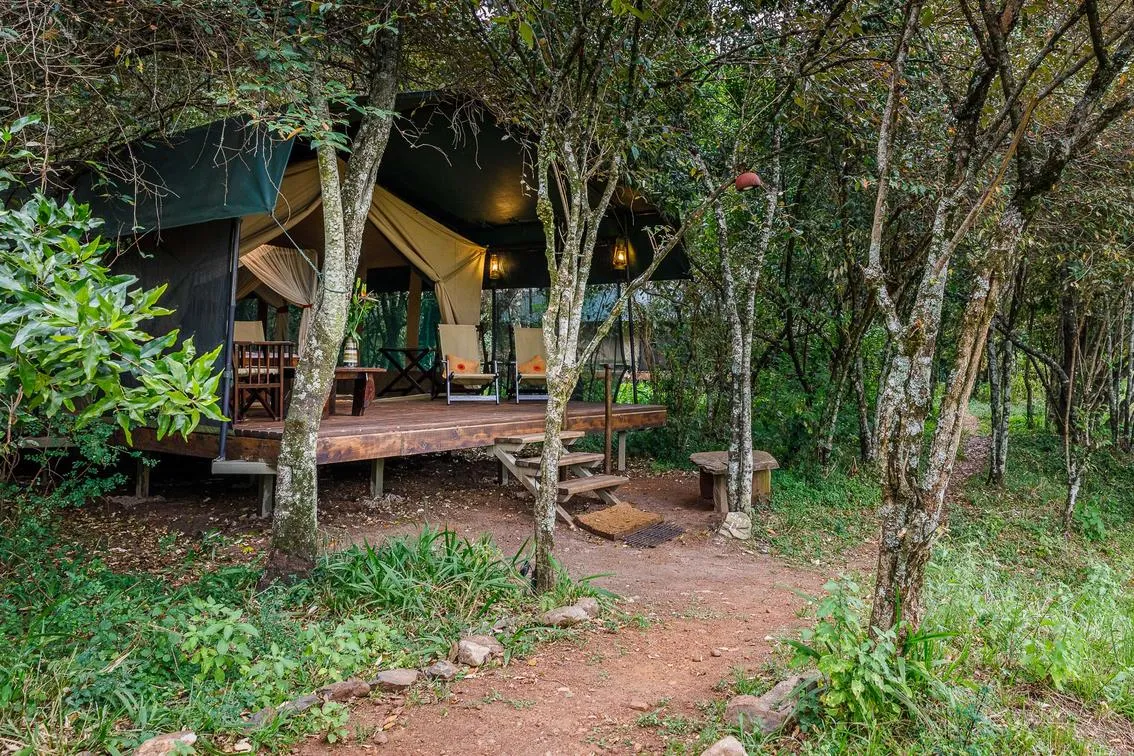
Where you stay shapes the entire experience. A good lodge puts you inside the ecosystem rather than on its edge.
Sarova Lion Hill Game Lodge at Lake Nakuru sits on a hillside overlooking the lake. Game walks freely through the property. Sunsets from the terrace with the lake below are genuinely remarkable.
Sarova Mara Game Camp in the Masai Mara is positioned inside the reserve. You hear wildlife at night from your tent. The camp runs twice-daily game drives and evening fireside dinners.
The River Camp Ol Pejeta is a small, intimate camp on the banks of the Ewaso Nyiro River inside the conservancy. The location means wildlife passes through the camp perimeter regularly.
Soroi Mara Bush Camp sits in the northern Mara conservancy area, which is private and less crowded than the national reserve. Game drives here cover territory that shared vehicles cannot access.
Elewana Tortilis Camp in Amboseli is one of the finest camps in Kenya. The tents face Kilimanjaro and the elevated viewing deck gives unobstructed views across the swamp where elephant herds gather every evening.
Kenya Game Drive Experience: What to Expect
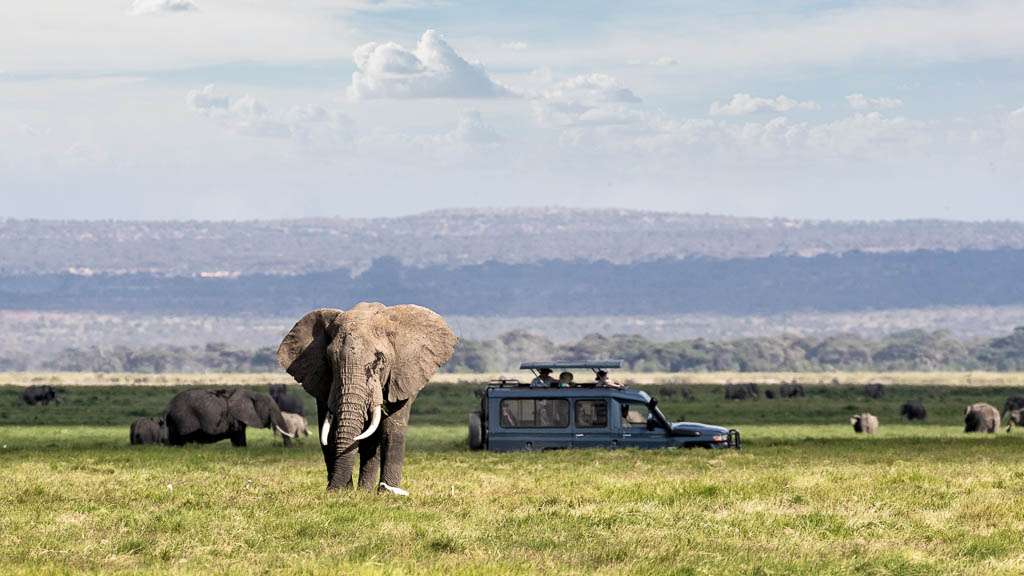
A standard game drive starts around 6:00 am when wildlife is most active and the light is best for photography. Morning drives run three to four hours. Afternoon drives go out again around 4:00 pm and return at dusk.
Your guide communicates constantly with other drivers via radio to track predator and migration activity. If a cheetah is hunting or a leopard is up a tree three kilometers away, your guide will know and will position you correctly. This network is one of the things that makes a good guide genuinely different from a great one.
Inside the vehicle, keep movement slow and quiet when close to animals. Do not lean out of the roof hatch with sudden gestures. Do not use flash photography. If your guide tells you to stay in the vehicle, stay in the vehicle. These are not suggestions. They protect you and prevent habituation that stresses the animals.
Night drives are available in private conservancies and some reserves. This is when you have a genuine chance of seeing leopard, aardvark, porcupine, and other nocturnal species that daytime drives rarely deliver.
Hot Air Balloon Safari Over the Masai Mara
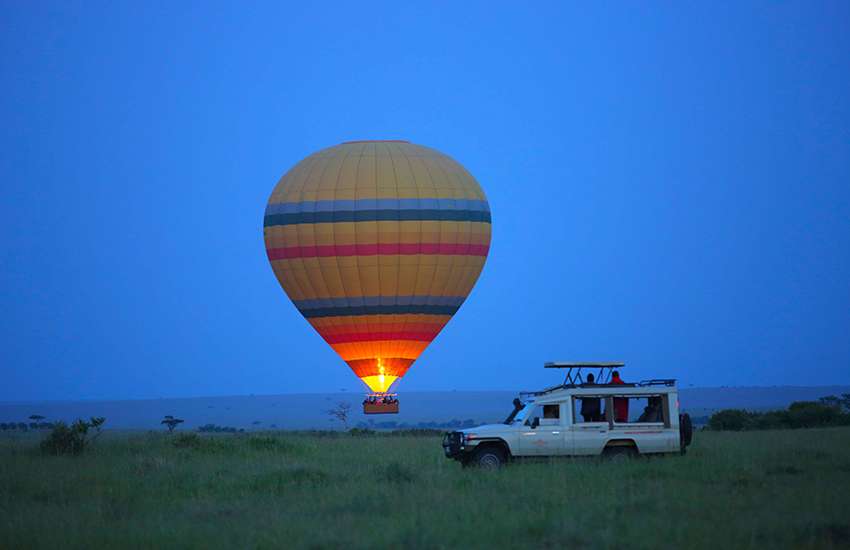
A hot air balloon safari over the Masai Mara is one of those experiences that is difficult to describe without sounding like you are exaggerating. You lift off at dawn, drift silently over herds of wildebeest, zebra, and elephant below, and watch the sun come up across the open plains.
Flights last approximately one hour and land in the bush. A full champagne breakfast is served on the plains after landing. The balloon safari costs around $500 per person and needs to be booked in advance, especially during migration season. TourwithPipi includes this as an optional add-on to all Masai Mara packages.
Getting to Kenya: Flights and Visas
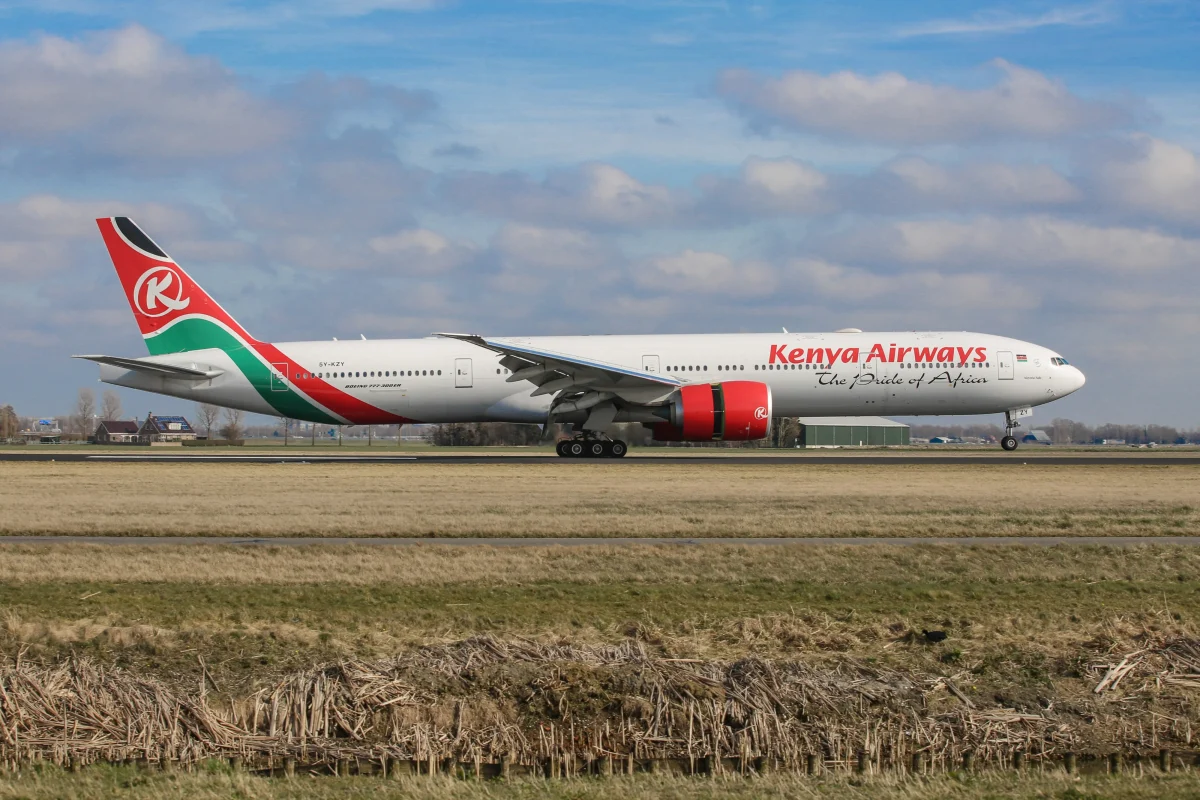
Most international visitors fly into Jomo Kenyatta International Airport in Nairobi. Major airlines connecting through hubs like London, Dubai, Amsterdam, Doha, and Addis Ababa serve the route. From the US East Coast, flight time is approximately 14 to 16 hours with one connection.
Kenya requires most nationalities to obtain an East Africa Tourist Visa before arrival. US citizens apply online through the eCitizen portal at ecitizen.go.ke. The fee is $50 for a single-entry visa. Processing typically takes two to five business days. Apply at least two weeks before travel and do not wait until the week of departure.
Your passport must have at least six months validity beyond your travel dates and at least two blank pages. Airlines will not board you without these.
Travel Insurance for a Kenya Safari
Travel insurance is non-negotiable for a Kenya safari. You need a policy that covers emergency medical evacuation, since the nearest hospital capable of handling serious trauma may be hours away by road. Medical evacuation by air from the Masai Mara to Nairobi can cost $15,000 to $30,000 without coverage.
Look for a policy that includes: emergency medical evacuation, trip cancellation and interruption, baggage delay or loss, and adventure activity cover for game drives and bush walks. TourwithPipi includes emergency medical evacuation cover in our premium packages, but a comprehensive travel insurance policy from your home country is still strongly recommended.
Health and Vaccinations for Kenya
Consult a travel health clinic or your doctor at least six to eight weeks before departure.
Malaria is present in most Kenyan safari areas. You will need antimalarial medication. Common options include Malarone (atovaquone/proguanil), Doxycycline, and Lariam (mefloquine). Each has different side effect profiles. Discuss with your doctor which suits you. In addition to medication, wear long sleeves at dawn and dusk, use DEET-based repellent, and sleep under a mosquito net where provided.
Yellow Fever vaccination is not required for US travelers unless you are arriving from a country with yellow fever transmission risk. However, some neighboring countries require proof of vaccination if you travel onward, so carry your vaccination card regardless.
Other recommended vaccinations include Hepatitis A and B, Typhoid, and a Tetanus booster. Rabies vaccination is worth considering if you plan extended time in rural areas.
Water Safety in Kenya
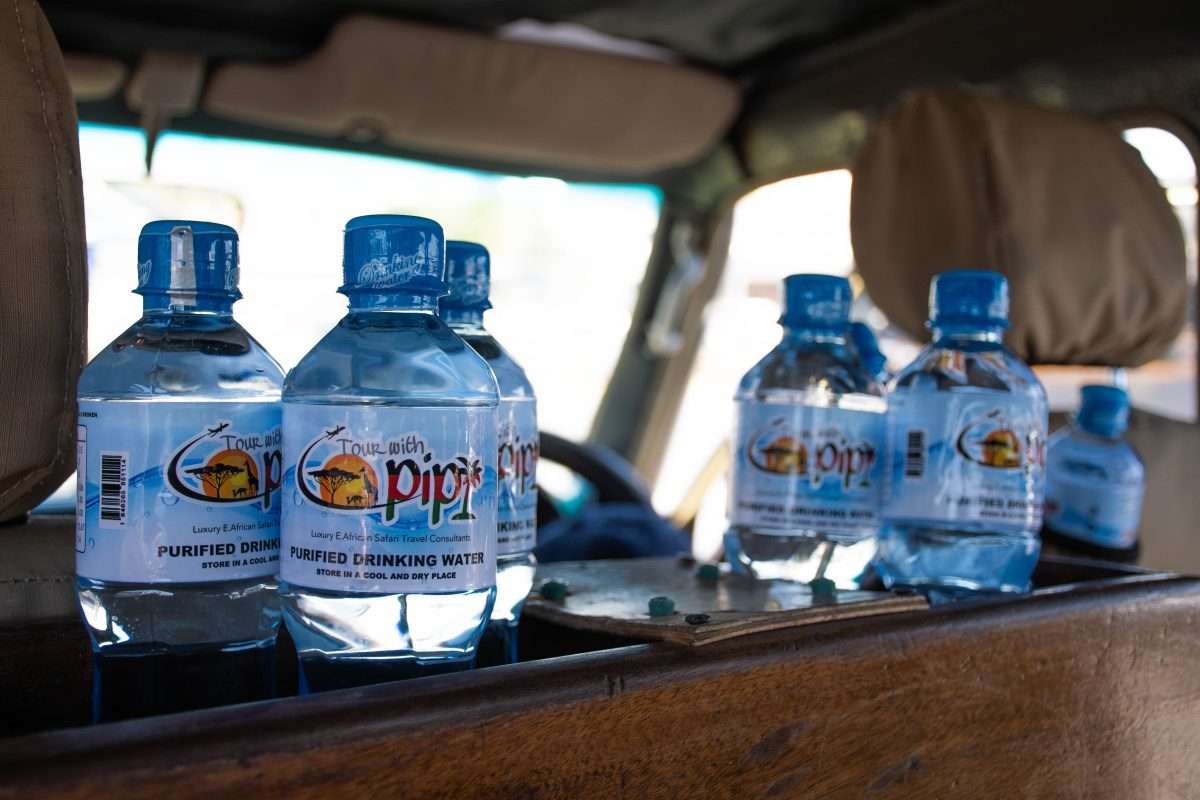
Do not drink tap water in Kenya. Drink bottled or purified water only. All TourwithPipi lodges and camps provide bottled mineral water throughout your stay, including during game drives. Avoid ice in drinks outside of reputable lodges and be careful with fresh fruit or salads at roadside stops.
In Nairobi, stick to bottled water at all times. The camps in the Masai Mara, Amboseli, and Ol Pejeta all serve safe food prepared under controlled conditions.
Food on a Kenya Safari
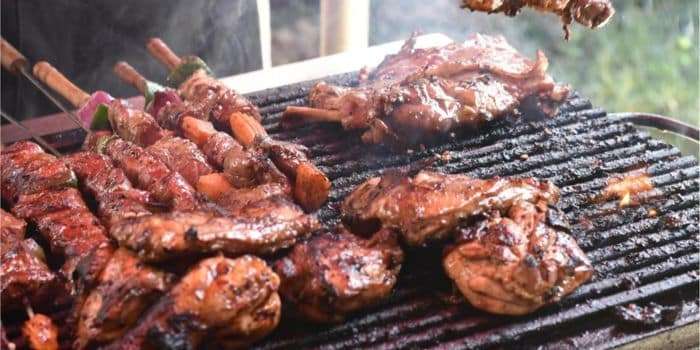
Kenyan cuisine at the lodges is excellent and more varied than most first-time visitors expect. Breakfasts are full affairs: fresh fruit, eggs prepared your way, toast, sausage, juice, and strong Kenyan coffee or chai. Most camps pack a bush breakfast if you are heading out early, which means you eat surrounded by wildlife on the open plains.
Lunches are typically three courses at the lodge. Kenyan staples worth knowing: nyama choma is roasted meat, usually goat or beef, served with ugali, a dense cornmeal dish eaten with the hands. Sukuma wiki is a collard green stir-fry cooked with onion and tomato. Pilau is a spiced rice dish common at the coast. Mandazi are East African doughnuts, lightly sweet and excellent with chai.
At camps in the Mara, dinners are often served under a large open-sided dining tent or around a fire. The atmosphere alone makes the meal memorable.
Safari With Kids and Families

Kenya is genuinely one of the best family and kid safari destinations in the world. Children who grow up seeing wildlife in its natural environment develop a relationship with conservation that lasts a lifetime.
Most reputable lodges welcome children aged 6 and above on game drives. Some camps have a minimum age of 12 for walking safaris or night drives, so check before booking. TourwithPipi’s family packages use larger vehicles with more space and guides experienced with younger travelers.
Pack entertainment for long drives, use high-SPF sunscreen, bring a wide-brimmed hat for each child, and make sure any antimalarial medication prescribed is appropriate for their age and weight. Kids adapt to early morning game drives faster than you might expect once they realize what is waiting outside the tent.
Is Kenya Safari Safe?
Yes, with the right operator and standard travel sense. Nairobi has areas that are best avoided as a tourist, particularly after dark, but the tourist areas, hotels, and safari zones are well managed. Petty theft happens in any major city. Keep valuables secure and use hotel safes.
In the parks and conservancies, your safety is managed by your guide. These are professionals who understand animal behavior, know the terrain, and are trained for emergency situations. Follow their instructions without question and you are in safe hands.
The Foreign Office travel advisories for Kenya flag the northeast near the Somali border and some coastal areas, but none of the major safari parks fall within these zones. The Masai Mara, Amboseli, Ol Pejeta, Nakuru, and Samburu are all considered safe for tourism.
Packing for a Kenya Safari
Packing light makes the trip easier, especially on bush flights where luggage limits are strict. Most bush planes on routes like Nairobi to Masai Mara have a 15kg soft bag limit. Hard-sided suitcases do not fit in the hold.
Clothing: Neutral colors only. Khaki, olive, tan, and grey. Avoid white, which shows dust, and avoid bright colors and blue, which attract tsetse flies. Pack two to three long-sleeve shirts, one or two lightweight fleece layers for cold mornings, convertible trousers, and comfortable walking shoes. Shorts are fine at camp but not ideal for long drives where legs are exposed.
Gear: A good pair of binoculars improves every game drive. 8×42 or 10×42 magnification works well. A camera with a zoom lens of at least 200mm is recommended for wildlife photography. Bring a power bank since lodges vary in charging access, particularly in tents.
Essentials: DEET insect repellent (at least 30% concentration), high SPF sunscreen, a hat with full brim, lip balm with SPF, and a small medical kit with antihistamines, blister plasters, and rehydration salts.
| Item | Why It Matters |
|---|---|
| Neutral clothing | Avoids startling animals, deters tsetse flies |
| Soft duffel bag | Required for bush flight luggage holds |
| Binoculars | Dramatically improves wildlife sightings |
| DEET repellent | Malaria and tsetse fly protection |
| Wide-brim hat | Essential on open-top vehicle drives |
| Power bank | Charging access varies at remote camps |
| Zoom lens camera | Wildlife photography from safe distance |
| Rehydration salts | Hot days and early starts drain energy fast |
Currency, Cash, and What to Buy
Kenya’s currency is the Kenyan Shilling (KES). As of mid-2026, the exchange rate is approximately 130 KES to 1 USD, though this changes. Park fees and most safari payments are made in USD. Your lodge account will typically be settled in USD.
Carry USD in small bills ($1, $5, $10, $20) for tips and small purchases. ATMs are available in Nairobi and Mombasa but unreliable in safari areas. Withdraw cash before leaving the city.
Tipping is expected and meaningful. A standard guide tip is $15 to $20 per person per day. Camp staff tips are typically $10 per person per day pooled and distributed. Budget $150 to $200 per person for tips on an 8-day trip.
What to buy: Maasai beadwork, hand-carved wooden animals, kikoi fabric (a lightweight woven cloth used as a wrap or scarf), and locally made leather sandals. Nairobi’s Karen Blixen area and the Maasai Market held on Sundays have good quality crafts. Avoid buying products made from wildlife materials including ivory, shells, or animal skins, which are illegal to export.
9-Day Kenya Safari and Beach Holiday: Sample Itinerary
Day 1: Arrival in Nairobi
Your Kenya safari begins the moment you land at Jomo Kenyatta International Airport. The TourwithPipi team meets you on arrival and handles everything from there. A private transfer takes you to Tamarind Tree Hotel, a calm and well-positioned retreat in the heart of Nairobi that makes for an easy early start the next morning. Take the evening at your own pace, unwind by the pool, have a quiet dinner, and let the rhythm of Africa settle in before the journey ahead.
Overnight: Tamarind Tree Hotel, Nairobi
Day 2: Into the Great Rift Valley
After breakfast, you leave Nairobi and begin the descent into the Great Rift Valley. The terrain opens dramatically as you drop in elevation and wide views of the escarpment fill the windscreen. Your destination is The Cliff Nakuru, perched directly above Lake Nakuru National Park with sweeping panoramic views over the lake. After lunch at the lodge, your first afternoon game drive moves through the rhino sanctuary and acacia woodland. Lake Nakuru is home to white and black rhinos, Rothschild giraffes, and over 400 bird species, with flamingos gathering along the shoreline when conditions are right.
Overnight: The Cliff Nakuru
Day 3: Lake Nakuru to the Masai Mara
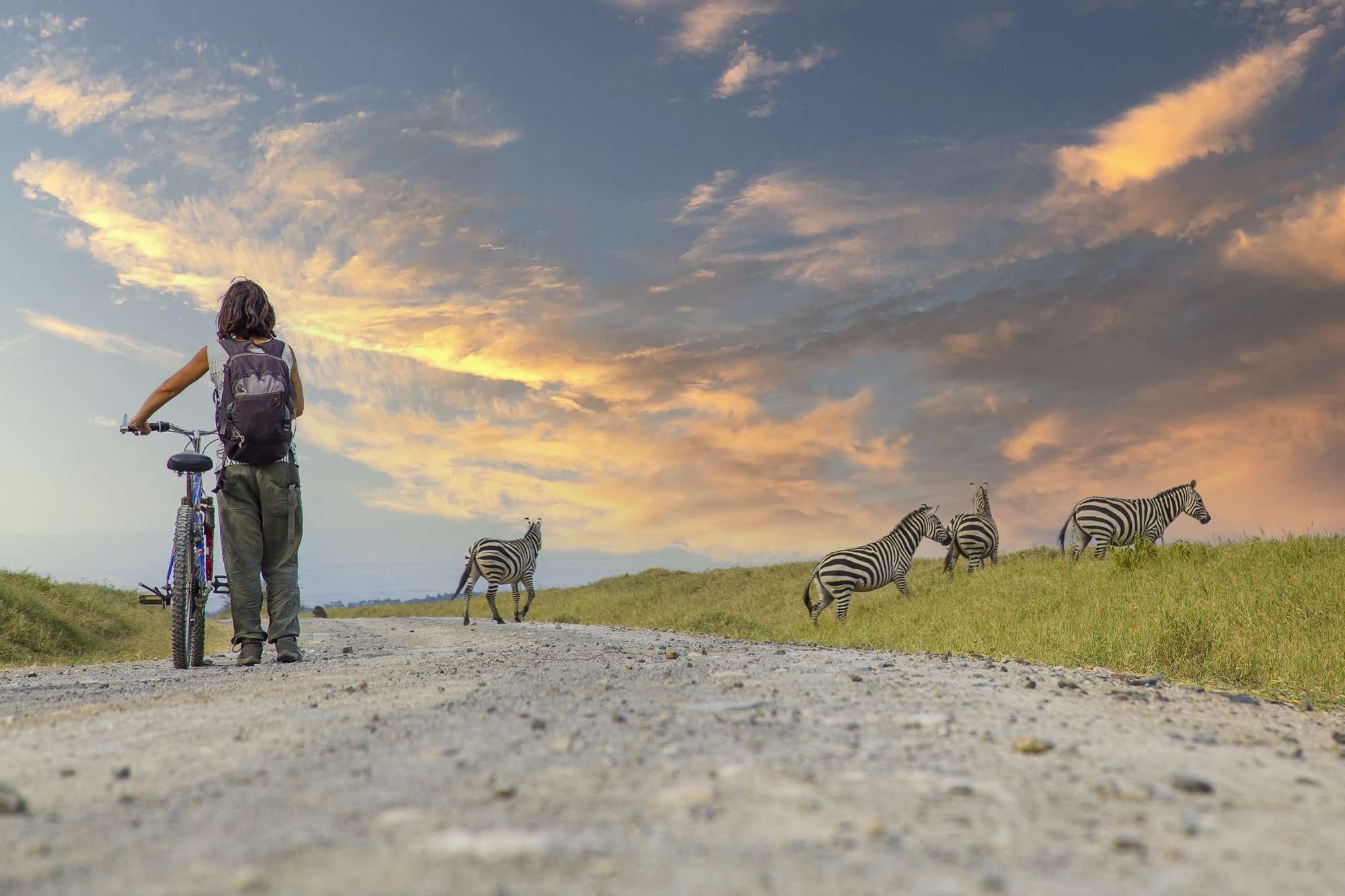
After a leisurely breakfast with Rift Valley views, you drive toward the Masai Mara National Reserve. The journey takes five to six hours through the Kenya highlands before the landscape opens into the vast flat plains that define the Mara. You arrive at Soroi Mara Bush Camp in time for lunch, a beautifully positioned camp along the Mara River where understated luxury meets genuine bush atmosphere. Your first afternoon game drive begins as the open plains start revealing what makes this reserve so consistently extraordinary: lions, elephants, cheetahs, and herds of plains wildlife moving across an uninterrupted horizon.
Overnight: Soroi Mara Bush Camp, Masai Mara
Day 4: Full Day in the Masai Mara
Today belongs entirely to the Mara. Morning and afternoon game drives take you through different sections of the reserve, tracking predators, following elephant herds, and spending as long as needed at each sighting. Your guide follows wildlife movement rather than a fixed route, which is what separates a great game drive from a good one. Lions patrol open grass. Giraffes move in slow grace across the horizon. Leopards rest in the fork of fig trees along the river. An optional Maasai village visit in the afternoon adds a meaningful cultural layer to the day.
Overnight: Soroi Mara Bush Camp, Masai Mara
Day 5: Signature Moments in the Mara
Your final full day in the Masai Mara offers some of the most memorable experiences available on any Kenya safari. The sunrise hot air balloon safari lifts above the plains at first light, floating silently for around an hour as wildlife moves below and the light shifts from orange to gold. A champagne bush breakfast follows the landing out on the open plains. The balloon safari costs USD 500 per person and must be booked in advance. If you prefer a slower start, a morning game drive across a different section of the reserve delivers equally remarkable sightings. Every drive in the Mara is different and this one, as a farewell, will feel like it.
Overnight: Soroi Mara Bush Camp, Masai Mara
Day 6: Masai Mara to Chale Island
After breakfast, you depart the Mara and travel back toward Nairobi, connecting onward to the Kenyan coast. This is where the safari and beach combination makes its most dramatic shift. You arrive at Chale Island Beach Resort in Diani, a secluded island paradise accessible only by boat. Turquoise water surrounds the island on every side and the pace slows to something close to complete stillness. Spend the evening by the ocean as the journey transitions from the energy of the savannah to the quiet luxury of the Indian Ocean coast.
Overnight: Chale Island Beach Resort, Diani
Day 7: Ocean Serenity at Chale Island
Wake up to the sound of the ocean and spend the day entirely at your own pace. The marine reserve surrounding Chale Island is rich with coral, reef fish, and sea turtles moving through warm shallow water. Optional activities include snorkeling, kayaking through mangrove channels, and diving in the Indian Ocean. If stillness is what you are after, the white sand beach and the spa offer exactly that. There is no agenda today and that is the point.
Overnight: Chale Island Beach Resort, Diani
Day 8: Slow Luxury and Island Living
Your final full day at the coast is intentionally unhurried. A sunrise walk along the shoreline, a morning yoga session on the beach, or an afternoon in a hammock with the ocean breeze: today belongs entirely to you. As the sun sets over the Indian Ocean on your last evening, the journey finds its quietest and most satisfying close.
Overnight: Chale Island Beach Resort, Diani
Day 9: Departure
After breakfast, a private transfer takes you from Chale Island to Diani Airstrip for your onward flight to Nairobi and international departure from Jomo Kenyatta International Airport. You leave with more than photographs: the memory of lions on open plains, the warmth of the Indian Ocean, and the quiet satisfaction of a trip that delivered everything it promised.
Planning a Perfect Kenya Safari
Kenya delivers on every expectation and then goes further. The Masai Mara at first light, elephants moving beneath Kilimanjaro, the last northern white rhinos at Ol Pejeta, and the Indian Ocean at the end of it all. Few trips anywhere in the world put that range of experience into a single itinerary.
The details matter though. The right time of year, the right parks for what you want to see, a guide who knows the land, and lodges that put you inside the ecosystem rather than on its edge. These are the things that separate a good safari from one you spend the rest of your life talking about.
TourwithPipi handles every part of that. From your airport arrival in Nairobi to your final morning on the coast, every transfer, every game drive, every camp, and every meal is planned with the same level of care. You focus on the experience. Everything else is taken care of.
If you are ready to start planning, reach out to the TourwithPipi team and we will build an itinerary around your travel dates, group size, and the moments that matter most to you.


