
A safari is one of the few travel experiences where you do not rush from place to place. Instead, you slow down, observe, and allow nature to unfold in front of you. For many travelers, a safari is their first real connection with wildlife, open landscapes, and life beyond cities.
If you have never been on a safari, the idea can feel confusing. People often wonder what a safari actually involves, whether it is safe, what animals they will see, and if it is suitable for beginners or families. This guide explains everything in simple and clear language.
Whether you are dreaming about Africa or planning your first trip, this article explains what a safari truly is and why it is unlike any other type of travel.
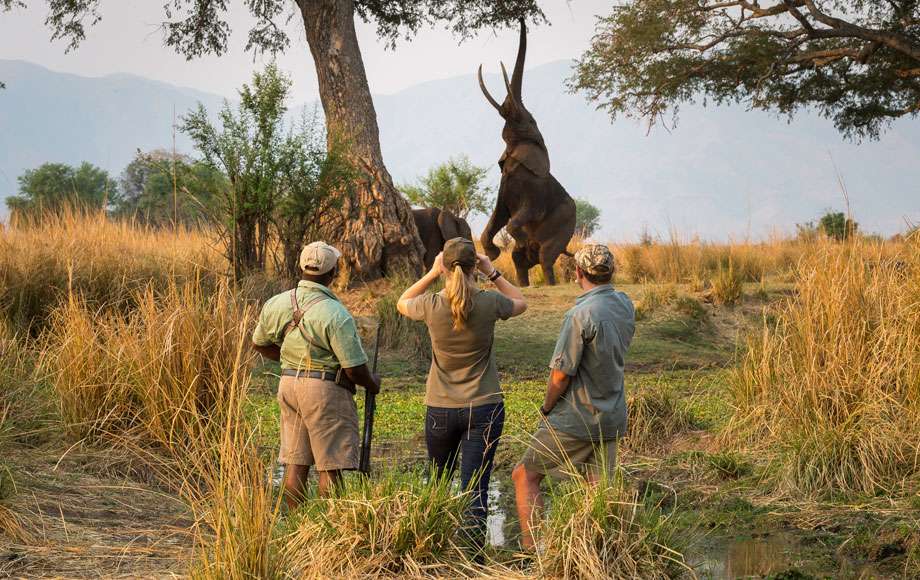
What Does the Word Safari Mean?
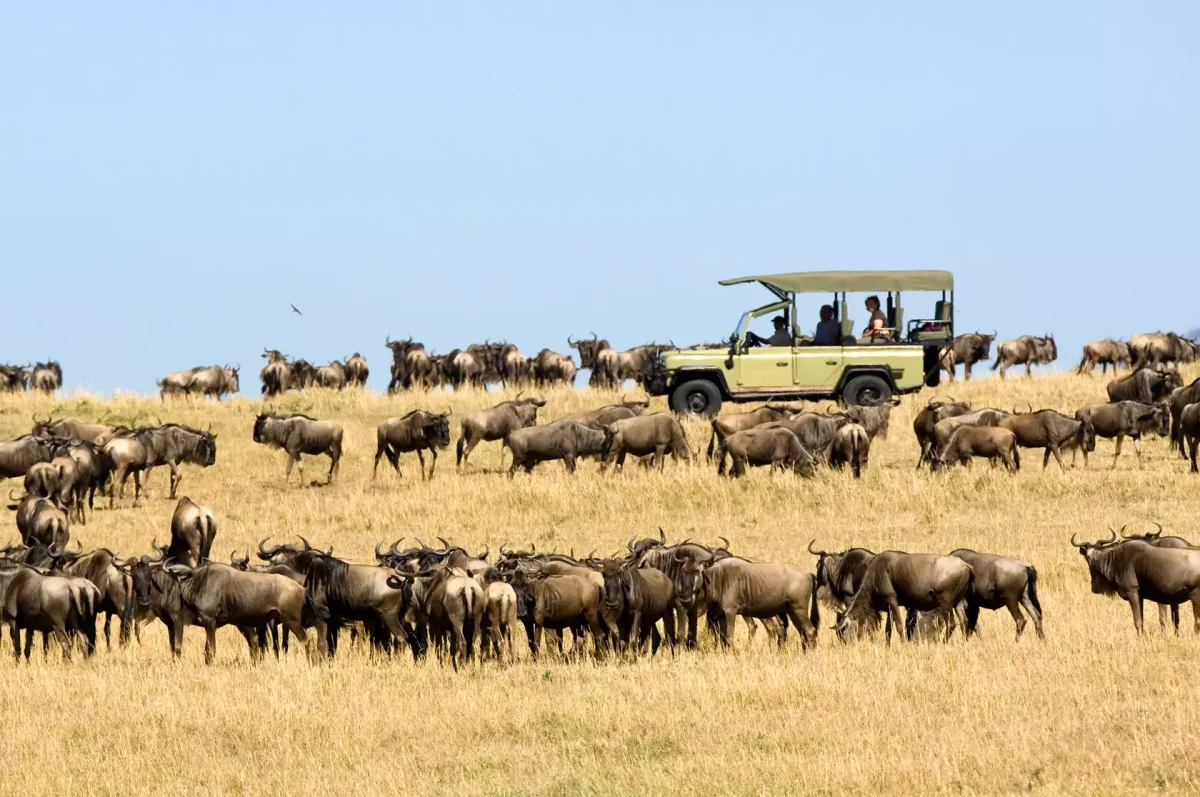
The word safari comes from the Swahili language spoken across East Africa. Originally, safari simply meant a long journey or expedition. It did not refer to animals at all.
In earlier times, people used the word safari when traveling between villages or regions. As explorers and travelers began visiting Africa’s wild regions, the word slowly changed its meaning.
Because Africa has vast open lands and abundant wildlife, safari became associated with wildlife travel. Over time, safari came to mean a guided journey into nature to observe animals in the wild.
Where in the World Do You Go on Safari?
While wildlife exists across the globe, Africa is the undisputed home of the safari. Its combination of protected areas, incredible biodiversity, and established tourism infrastructure is unmatched. Each country and region offers a distinct flavor, landscape, and specialty.
Tanzania: The Land of Endless Plains and the Great Migration
Tanzania is classic safari country, offering some of the most iconic wildlife scenes on the planet.
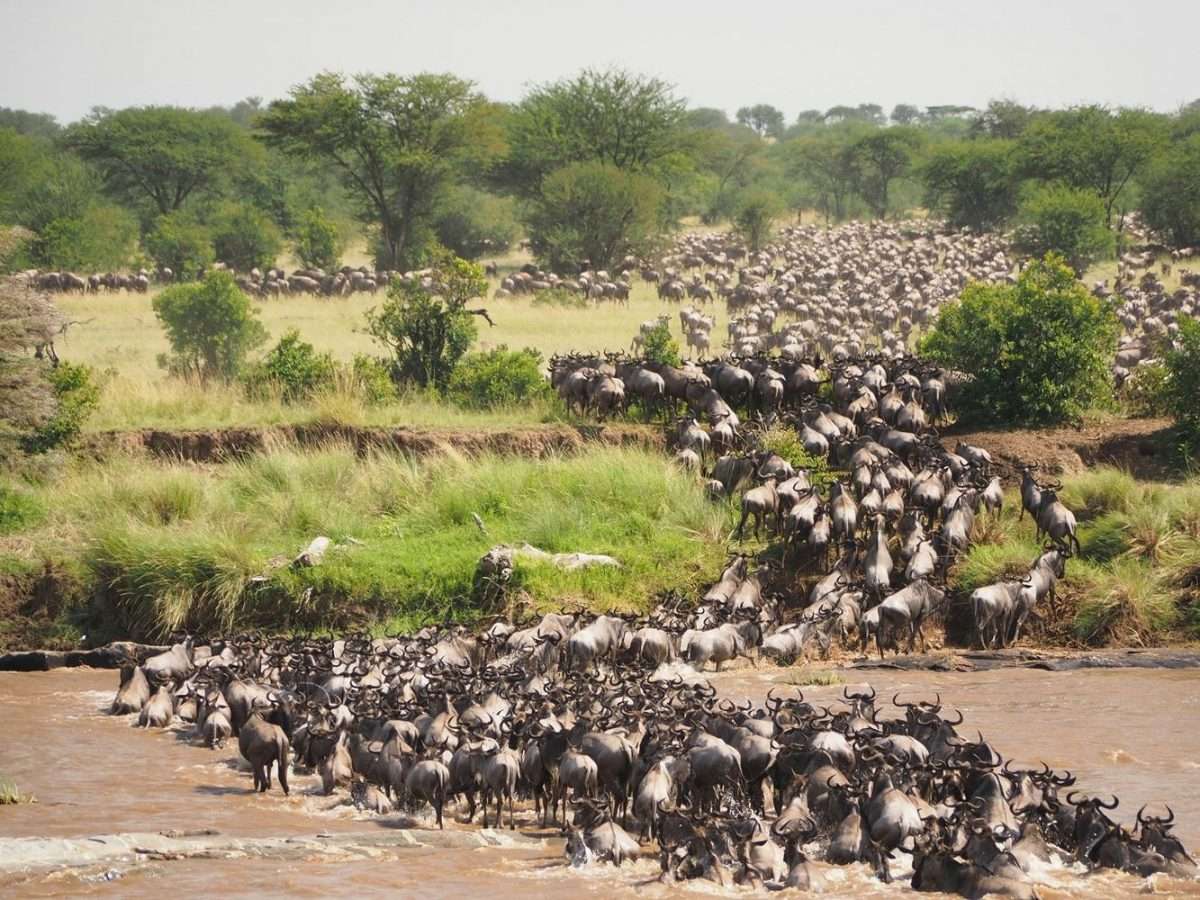
Serengeti National Park: The name means “endless plains” in the Maa language, and it lives up to it. This is the stage for the Great Wildebeest Migration, a year-round, circular journey of over 1.5 million wildebeest and hundreds of thousands of zebras and gazelles. Witnessing the chaotic, thrilling river crossings or the sea of animals on the plains is a top-tier wildlife spectacle. The Serengeti also boasts incredible year-round populations of lions, leopards, and cheetahs.
Ngorongoro Conservation Area: A UNESCO World Heritage Site and one of Africa’s most unique ecosystems. The Ngorongoro Crater is a massive, intact volcanic caldera that acts as a natural enclosure for an astonishing density of wildlife, including the endangered black rhino. It’s often called “Africa’s Eden” and offers some of the most reliable Big Five viewing in a single day.
Tarangire National Park: Known for its massive herds of elephants, sometimes numbering in the hundreds, and its stunning landscape of ancient baobab trees. During the dry season, the Tarangire River becomes a vital magnet for wildlife, creating exceptional game viewing.
Lake Manyara National Park offers rich birdlife, forest landscapes, and the famous tree-climbing lions.
Kenya: Diverse Ecosystems and Accessible Adventures
Kenya’s well-developed safari circuit is perfect for first-timers, offering incredible variety and cultural depth.
Maasai Mara National Reserve: The northern continuation of the Serengeti ecosystem. The Mara is famous for the Great Migration from July to October, when the herds cross the crocodile-infested Mara River. Its rolling grasslands also support high densities of lions, leopards, and cheetahs year-round.
Amboseli National Park: Famous for its iconic postcard views of large elephant herds with the snow-capped peak of Mount Kilimanjaro in the background. The park’s swamps provide year-round water, attracting elephants, hippos, and a wealth of birdlife.
Private Conservancies (e.g., Ol Pejeta, Lewa, Naboisho): These are the future of sustainable safaris. Bordering national parks, these community-owned or privately managed lands allow for more flexible activities (like walking safaris and night drives) that are often restricted in the parks themselves. Your stay here directly funds conservation and local communities.
South Africa: The Accessible All-Rounder with Malaria-Free Options
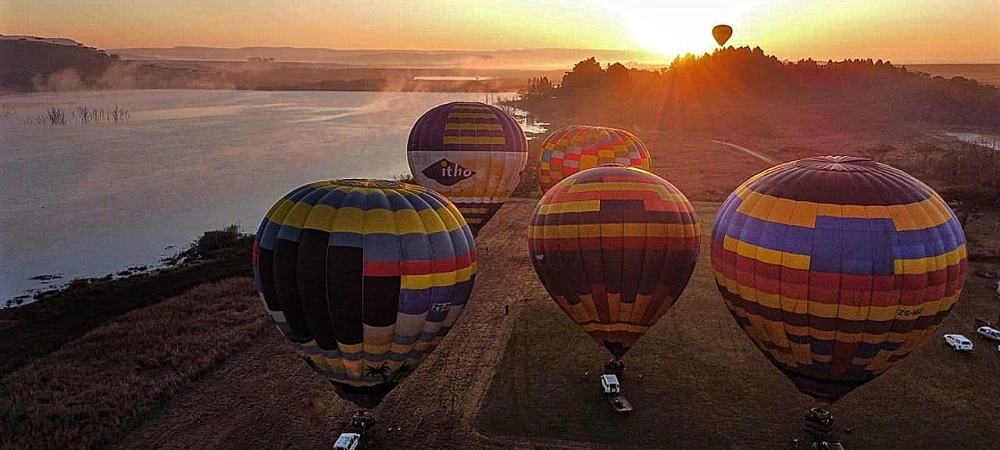
South Africa offers an incredibly user-friendly safari experience with world-class infrastructure and a high chance of seeing the Big Five.
Kruger National Park: One of Africa’s largest and oldest game reserves. Kruger is fantastic for self-drive safaris on its extensive network of paved and gravel roads, as well as for guided tours from rest camps. Its sheer size supports a huge diversity of life.
Private Reserves (Sabi Sand, Timbavati, etc.): These share unfenced borders with Kruger, allowing animals to roam freely. The key advantage here is that guides can drive off-road to track animals, leading to exceptional, up-close wildlife encounters, particularly with the elusive leopard. Luxury lodges, night drives, and walking safaris are standard.
Malaria-Free Reserves (e.g., Madikwe, Pilanesberg): Ideal for families with young children or travelers who prefer to avoid malaria prophylaxis. These parks, often in the North West Province, still offer excellent Big Five sightings in diverse landscapes.
Botswana: Exclusive Wilderness and Water-Based Wonders
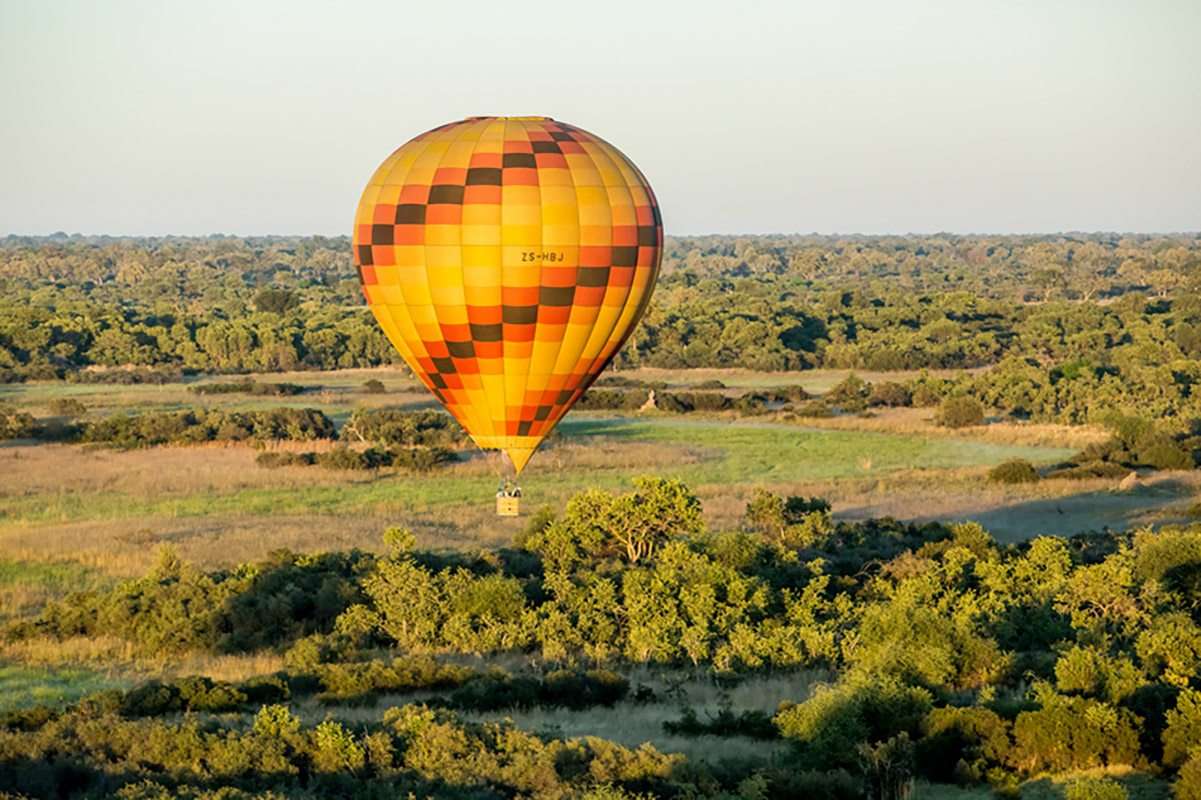
Botswana champions a high-value, low-impact tourism model, focusing on exclusive, uncrowded experiences in pristine wilderness.
Okavango Delta: A UNESCO World Heritage Site and one of the planet’s most incredible inland deltas. Seasonal floods from Angola transform the Kalahari Desert into a labyrinth of lily-covered channels, islands, and lagoons. The experience here is unique: traditional mokoro (dugout canoe) trips, walking safaris on remote islands, and game drives. It’s a paradise for birdwatchers and those seeking a truly unique ecosystem.
Chobe National Park: Best known for its breathtaking concentrations of elephants, especially along the Chobe Riverfront during the dry season. Boat safaris here provide a serene and different perspective, getting close to elephants bathing, huge herds of buffalo, and aquatic birds.
Central Kalahari Game Reserve & Makgadikgadi Pans: For those seeking stark, dramatic beauty and solitude. These areas offer a chance to see desert-adapted species like oryx and brown hyena, and to experience the surreal, endless horizons of the salt pans.
Zambia & Zimbabwe: The Adventure Capitals and Walking Safari Pioneers
These neighboring countries offer some of Africa’s most thrilling and authentic safari experiences, centered around the mighty Zambezi River.
Zambia’s South Luangwa National Park: Widely regarded as the birthplace of the walking safari. The guiding quality is exceptional, and the park’s diverse habitats are perfect for exploring on foot. The Luangwa River attracts huge herds of animals, and the density of leopards is among the highest in Africa.
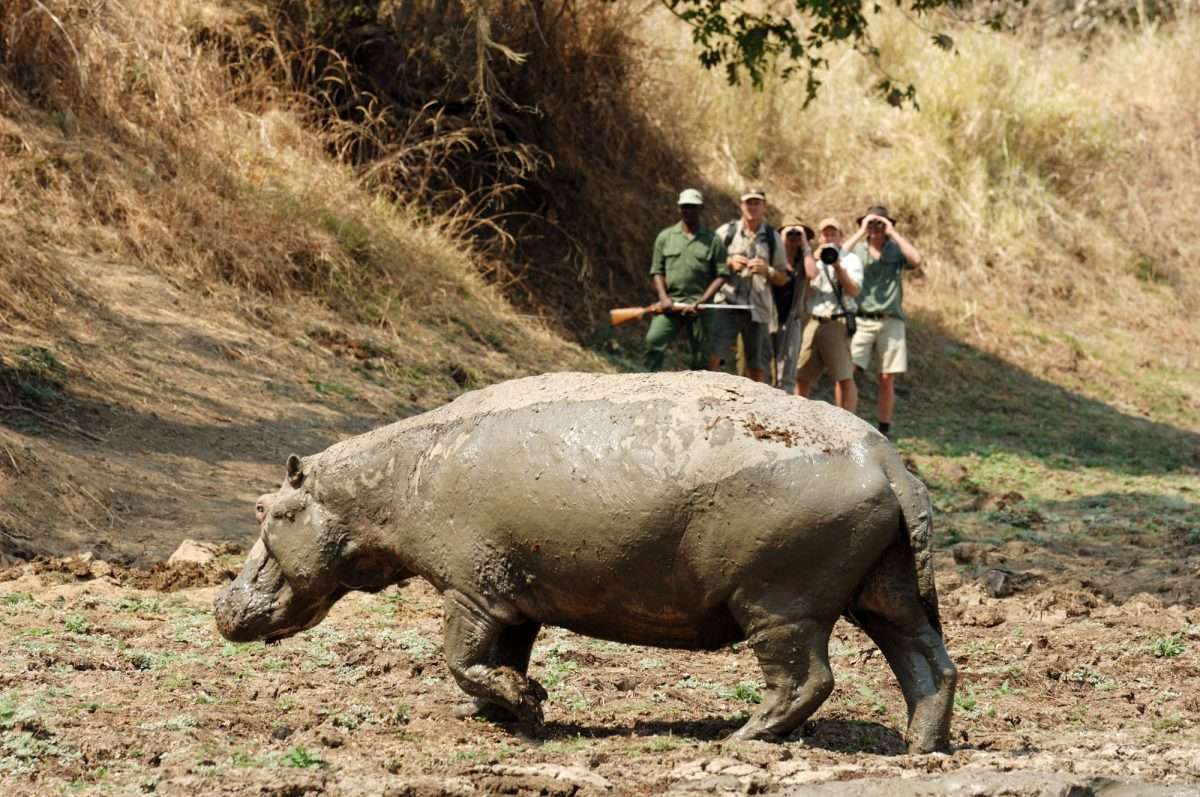
Zimbabwe’s Mana Pools National Park: A UNESCO World Heritage Site and a park that truly gets you into the wild. Walking safaris are the main attraction here, with the rare opportunity to safely observe enormous elephant bulls and other game on foot in the beautiful floodplain landscape. It’s raw, remote, and incredibly rewarding.
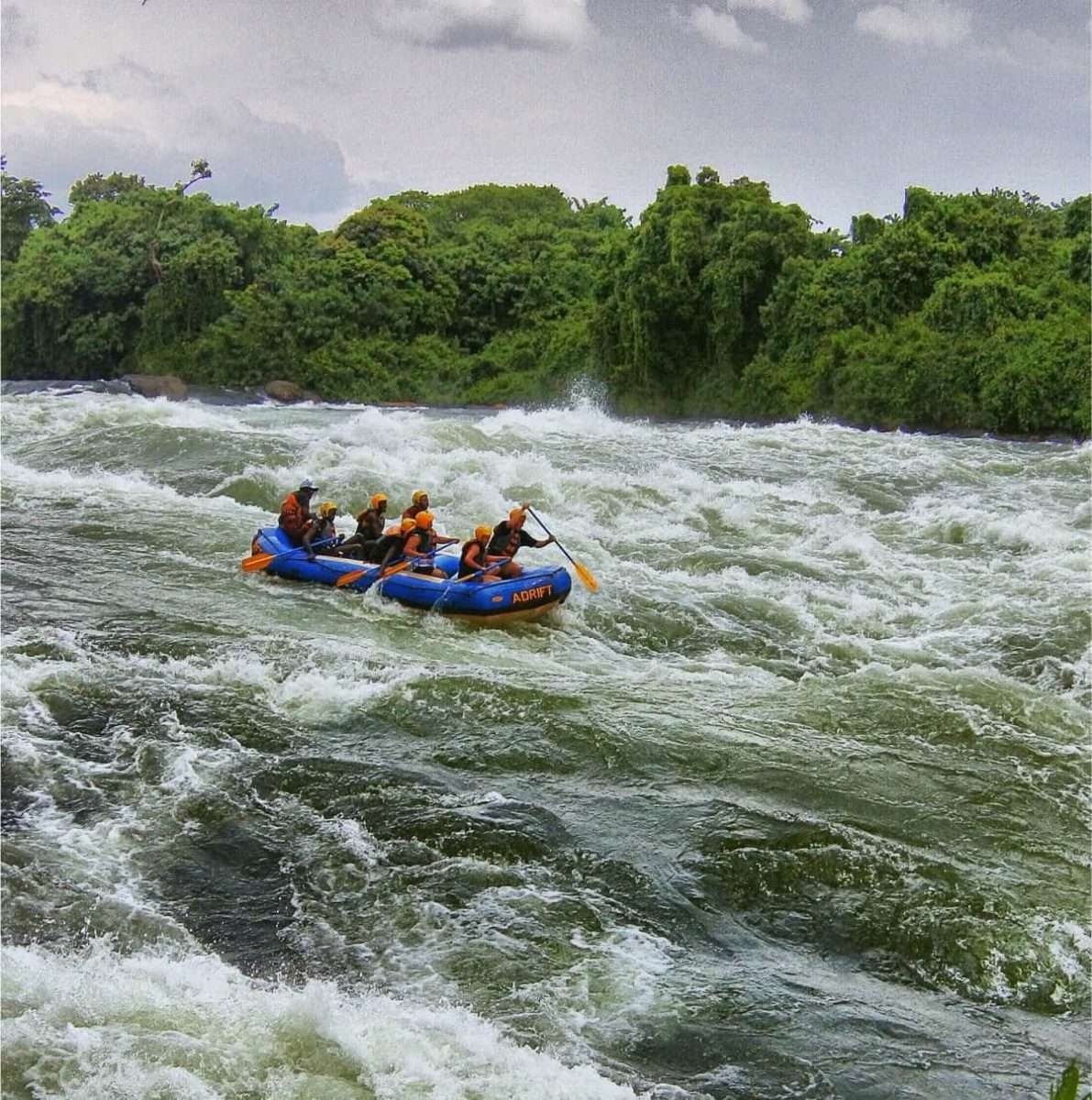
Victoria Falls: While not a traditional game park, “The Smoke That Thunders” is a natural wonder often combined with a safari. Activities range from gentle sunset cruises to adrenaline-pumping white-water rafting and bungee jumping.
Uganda & Rwanda: The Primate Trekkers’ Paradise
These countries offer a completely different but equally profound safari experience, focused on our closest living relatives.
Gorilla Trekking: The undisputed highlight. Tracking endangered mountain gorillas through the misty forests of Bwindi Impenetrable National Park (Uganda) or Volcanoes National Park (Rwanda) is a powerful, emotional, and awe-inspiring encounter. Permits are required and contribute directly to their conservation.
Chimpanzee Trekking: In Uganda’s Kibale Forest National Park, you can track habituated chimpanzee troops, witnessing their fascinating social dynamics up close. Queen Elizabeth National Park also offers chimp tracking and classic savannah game drives with views of the Rwenzori Mountains.
Morocco: Northern Africa
Morocco offers a very different kind of safari experience, focused on desert landscapes rather than savannah wildlife. A desert safari in Morocco takes travelers deep into the Sahara, where endless sand dunes, rocky plains, and remote oases shape the journey. Travel is usually done by camel or by 4×4 vehicle, allowing visitors to move through areas that feel untouched and timeless.
Days are spent crossing the desert and experiencing its silence, while evenings are reserved for rest and reflection. Travelers stay in traditional desert camps or luxury tented accommodations, where clear night skies reveal countless stars. This type of safari is ideal for those looking for an off-the-beaten-path adventure that combines exploration, culture, and the raw beauty of Northern Africa.
What Will You Actually See a Wildlife Safari?

The promise of incredible animals is what draws most people to a safari. Understanding what you might see helps build the excitement.
The Legendary Big Five
This famous term originally referred to the five most dangerous animals to hunt on foot. Today, it’s a checklist of iconic animals every safari-goer hopes to see.
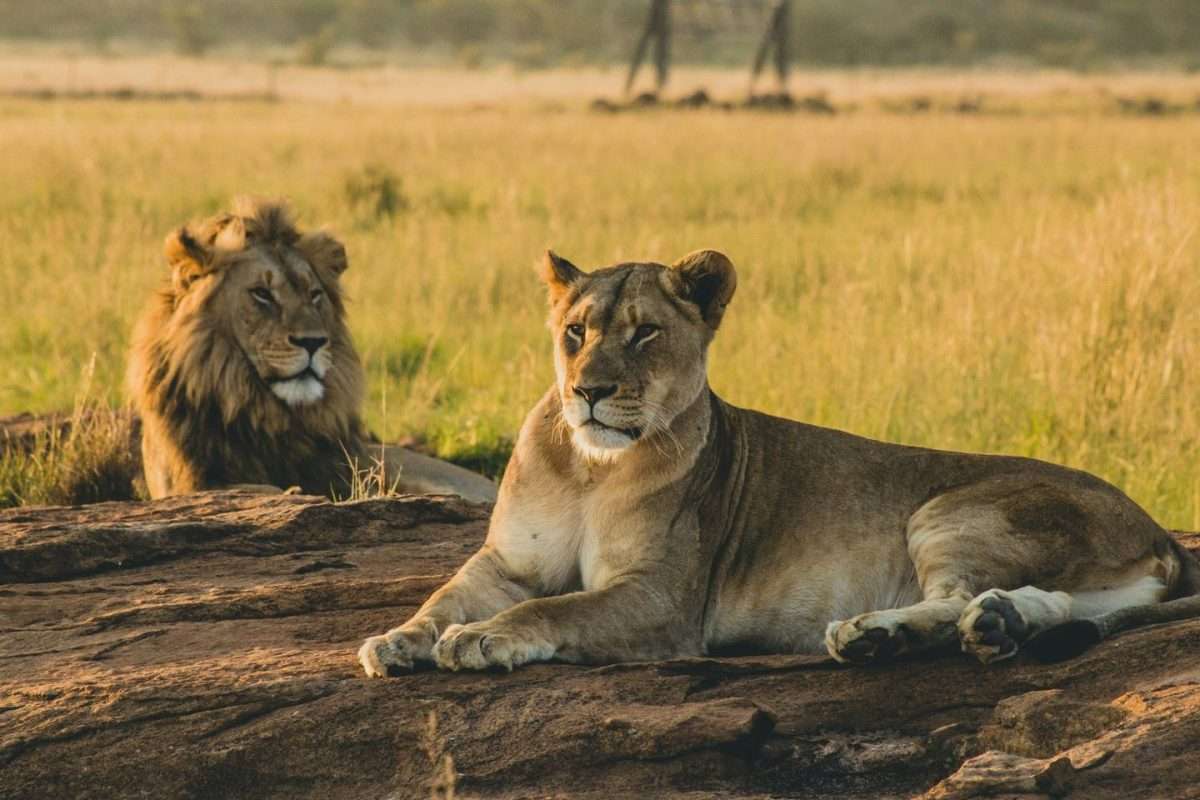
Lion: Africa’s apex predator. Seeing a pride—from powerful males with their majestic manes to playful cubs—is a highlight. The Serengeti-Mara ecosystem holds some of the largest populations.
Leopard: The solitary, elusive cat of the trees. A leopard sighting, often of the animal draped gracefully over a branch, feels like a special prize. They are masters of camouflage.
Elephant: The world’s largest land animal. Watching a herd’s complex social interactions—calves protected in the middle, matriarchs leading the way—is mesmerizing. Parks like Chobe and Amboseli are famous for their large herds.
Rhino (Black and White): Critically endangered and heavily protected. The white rhino (a mistranslation of the Dutch “wijd” for wide mouth) is larger and grazes. The black rhino is more solitary and browses from bushes. Seeing one is a privilege, with strongholds in places like Kenya’s Ol Pejeta Conservancy and South Africa’s private reserves.
Cape Buffalo: Known for their formidable horns and grumpy demeanor. They live in large herds and are fiercely protective, making them one of the most dangerous animals when threatened.
The Supporting Cast and Seasonal Spectacles
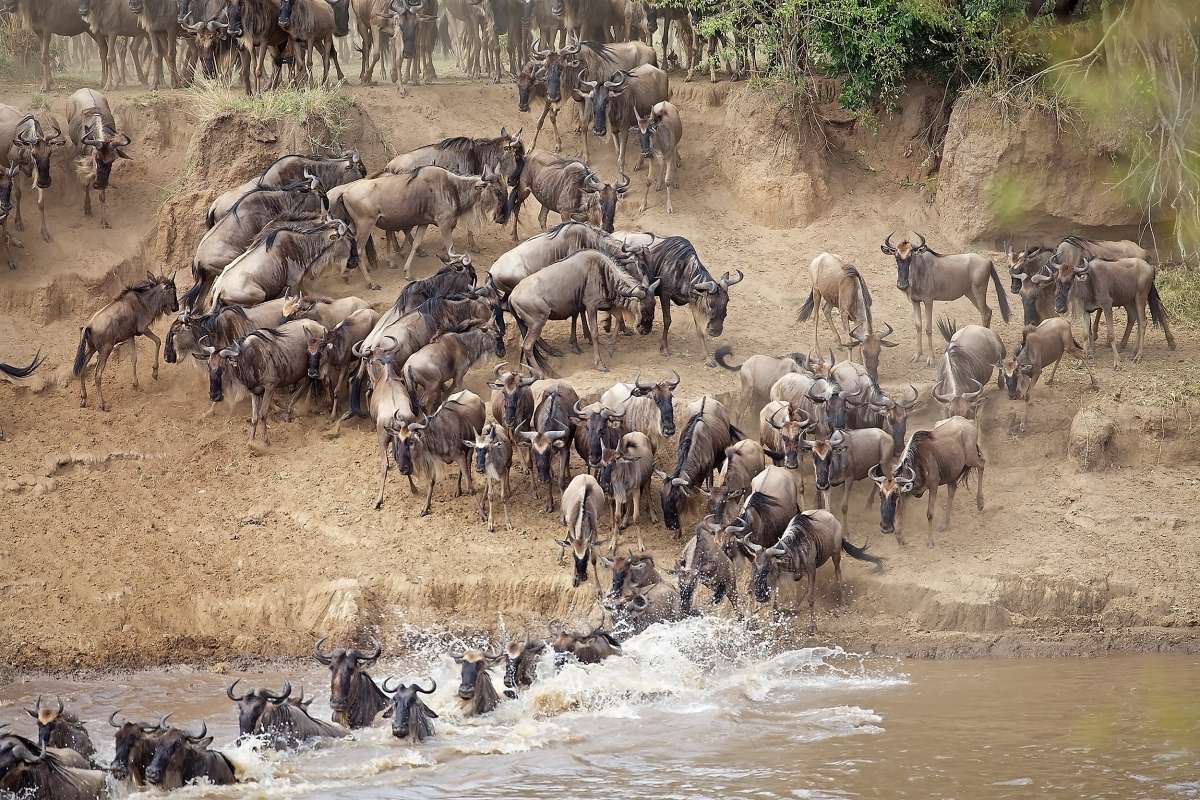
The Great Migration: Not an animal, but the greatest wildlife show on Earth. It’s the continuous, circular journey of over two million wildebeest, zebra, and gazelle across the Serengeti and Maasai Mara, driven by the search for fresh grass and water. The perilous river crossings are its most dramatic act.
Cheetahs & Wild Dogs: The speedster and the efficient pack hunter. Both are endangered, making sightings special. Cheetahs prefer open plains, while wild dogs are highly social and roam widely.
The “Ugly Five,” “Little Five,” and More: Safari humor celebrates all creatures. The “Ugly Five” (wildebeest, warthog, marabou stork, hyena, vulture) have their own charm. The “Little Five” (ant lion, elephant shrew, leopard tortoise, buffalo weaver, rhino beetle) encourage you to look down and appreciate the small wonders.
What Is a Safari Today? Beyond the Vehicle and Binoculars
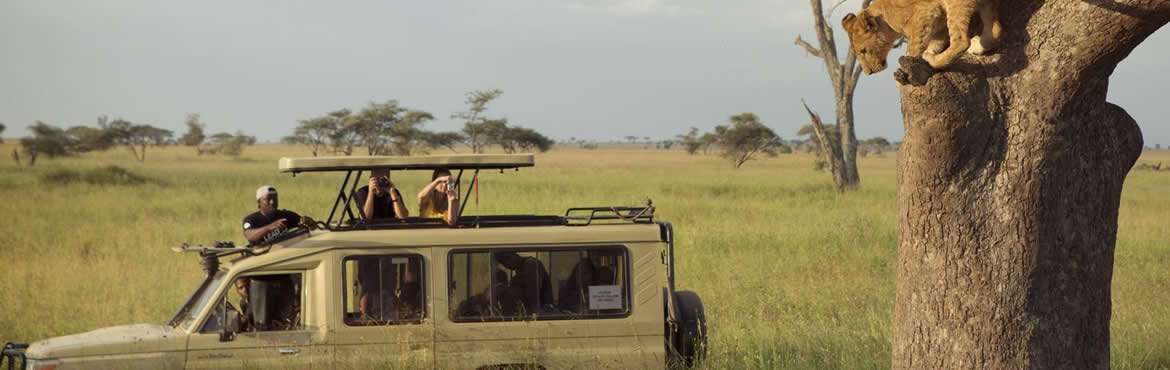
A modern African safari is an immersive expedition into protected wilderness areas like national parks & game reserves to observe wildlife in its completely natural habitat.
The experience rests on three pillars:
Wildlife Viewing: Observing animals behaving naturally—hunting, playing, nurturing their young, and interacting with their environment.
Landscape Immersion: Experiencing Africa’s iconic and varied terrains, from the endless Serengeti plains and the watery labyrinths of the Okavango Delta to the dramatic Ngorongoro Crater.
Conservation & Culture: Understanding the vital link between protecting these wild spaces, supporting local communities, and the future of the animals you’ve come to see.
Different Types of Safari:
Gone are the days of one-size-fits-all safaris. Today, you can tailor your experience to match your travel style, interests, and comfort level perfectly.
Game Drive Safaris
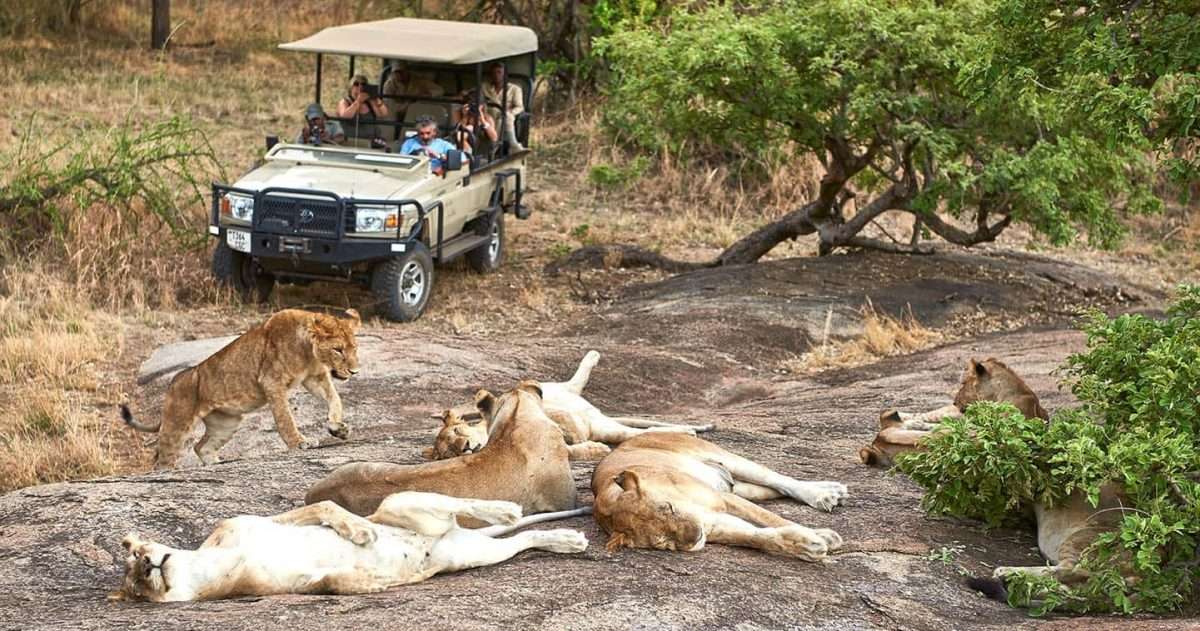
Game Drive safaris are the classic and most common form to explore the wild. You’ll explore in a purpose-built 4×4 vehicle, typically early in the morning and late in the afternoon when animals are most active. Open-sided or pop-top vehicles offer unobstructed views and photography opportunities. In private reserves, guides can drive off-road to follow animals, dramatically increasing your chances of intimate encounters.
Walking Safaris
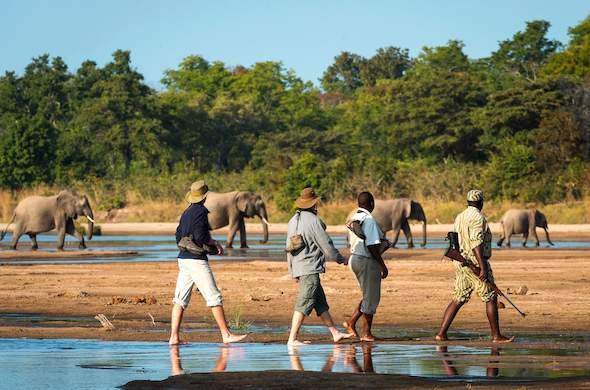
Walking safari was Pioneered in Zambia, this is the ultimate way to connect with the bush. Led by an expert, armed guide, you’ll walk silently, learning to read animal tracks, identify medicinal plants, and notice the insects and birds that form the ecosystem’s foundation. It’s less about seeing big game (though that can happen) and more about immersion, using all your senses. It’s a must for repeat visitors or those seeking a deeper understanding.
Boat & Water-Based Safaris
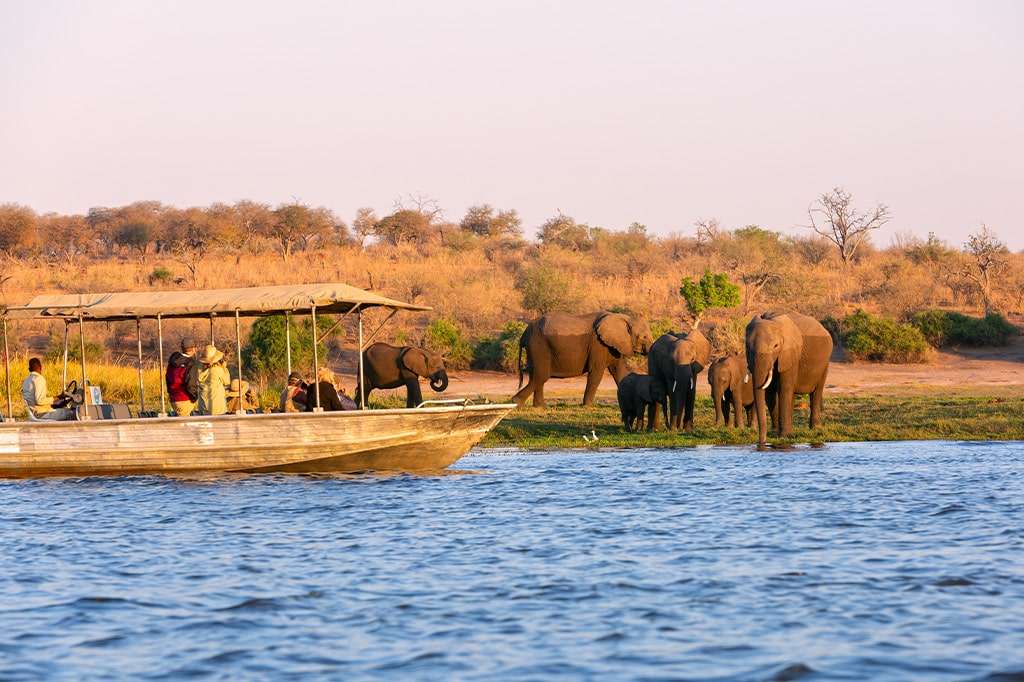
Ideal for exploring aquatic ecosystems. This includes:
Mokoro trips in the Okavango Delta: Gliding silently in a traditional dugout canoe through papyrus-lined channels.
Motorboat safaris on the Chobe or Zambezi Rivers: Getting close to hippo pods, crocodiles, and elephants coming to drink.
Dhow trips on the coast: A more relaxed, sail-powered exploration.
Self-Drive Safaris
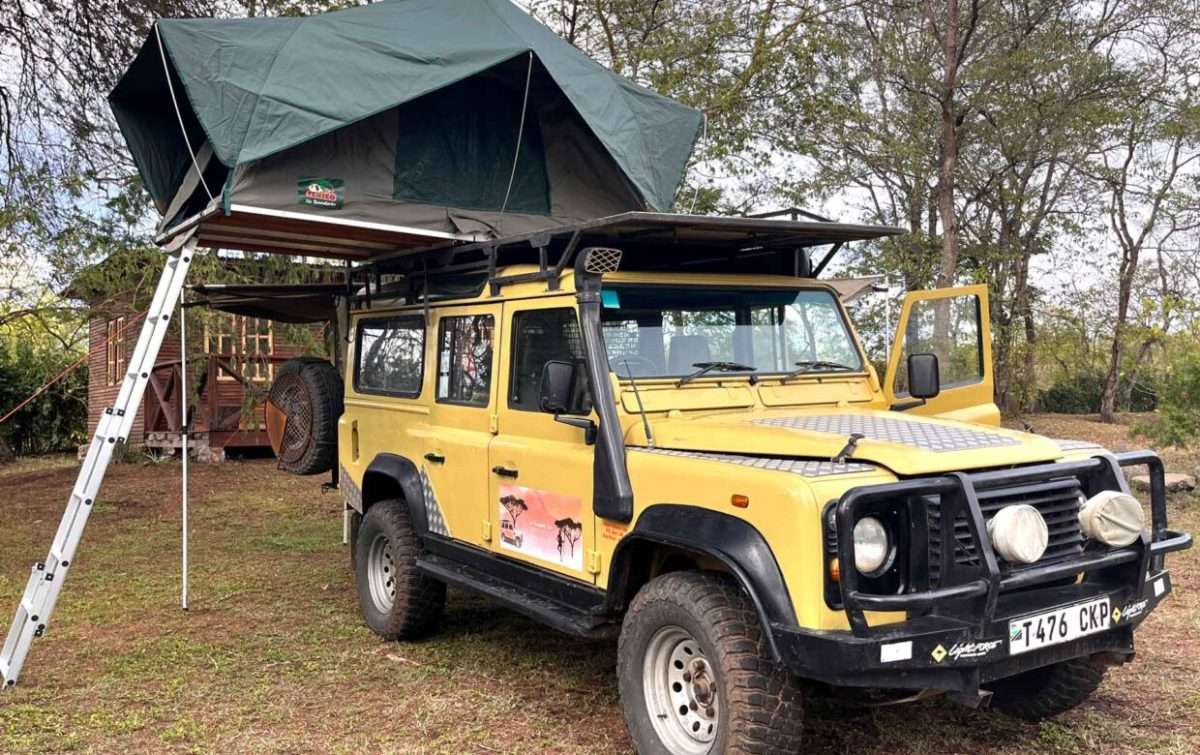
For the independent traveler. Primarily in South Africa’s Kruger National Park and Namibia’s Etosha, you rent your own vehicle and explore the park’s network of roads at your own pace. It requires research, planning, and adherence to strict park rules, but offers great freedom and is often more budget-friendly. You can combine this with guided walks or drives booked from rest camps.
Primate Trekking Safaris
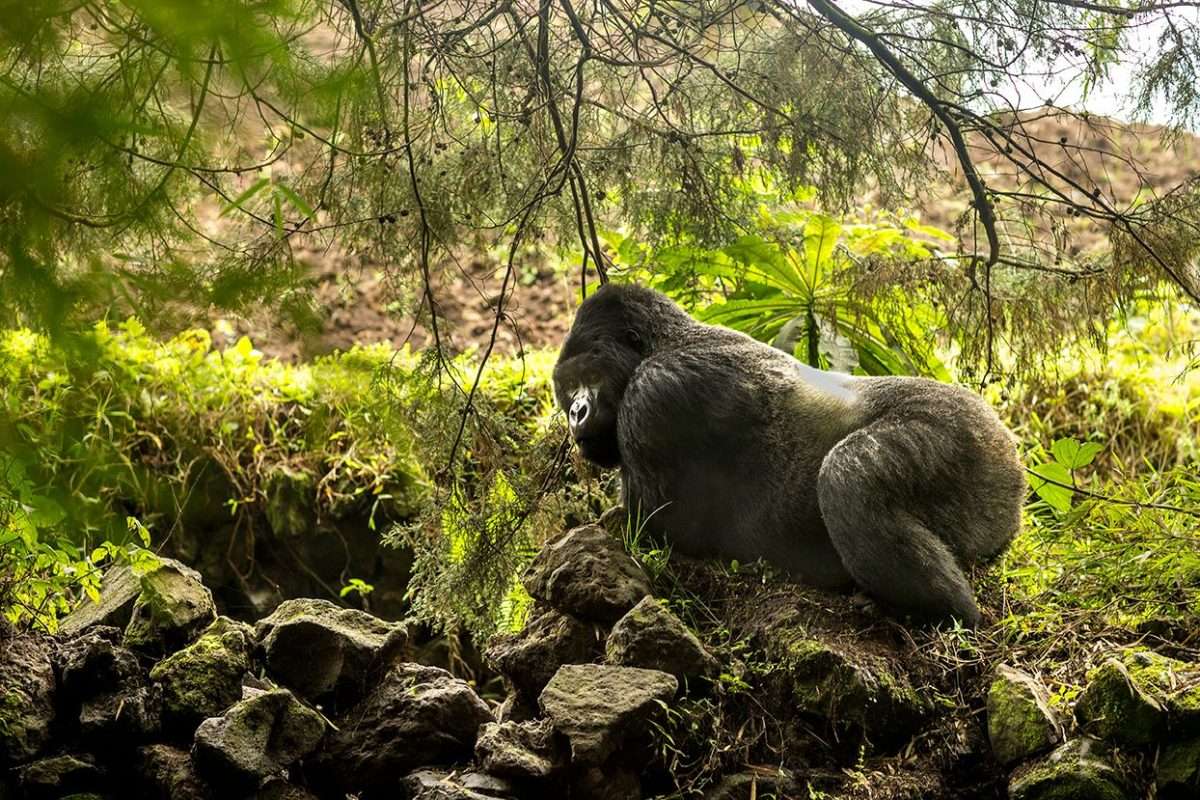
A physically demanding but profoundly rewarding specialty. This involves hiking with a guide to find habituated families of mountain gorillas in Rwanda or Uganda, or chimpanzees in forests like Kibale. Permits are expensive but crucial for funding conservation, and the hour spent observing these intelligent beings is unforgettable.
Balloon Safaris
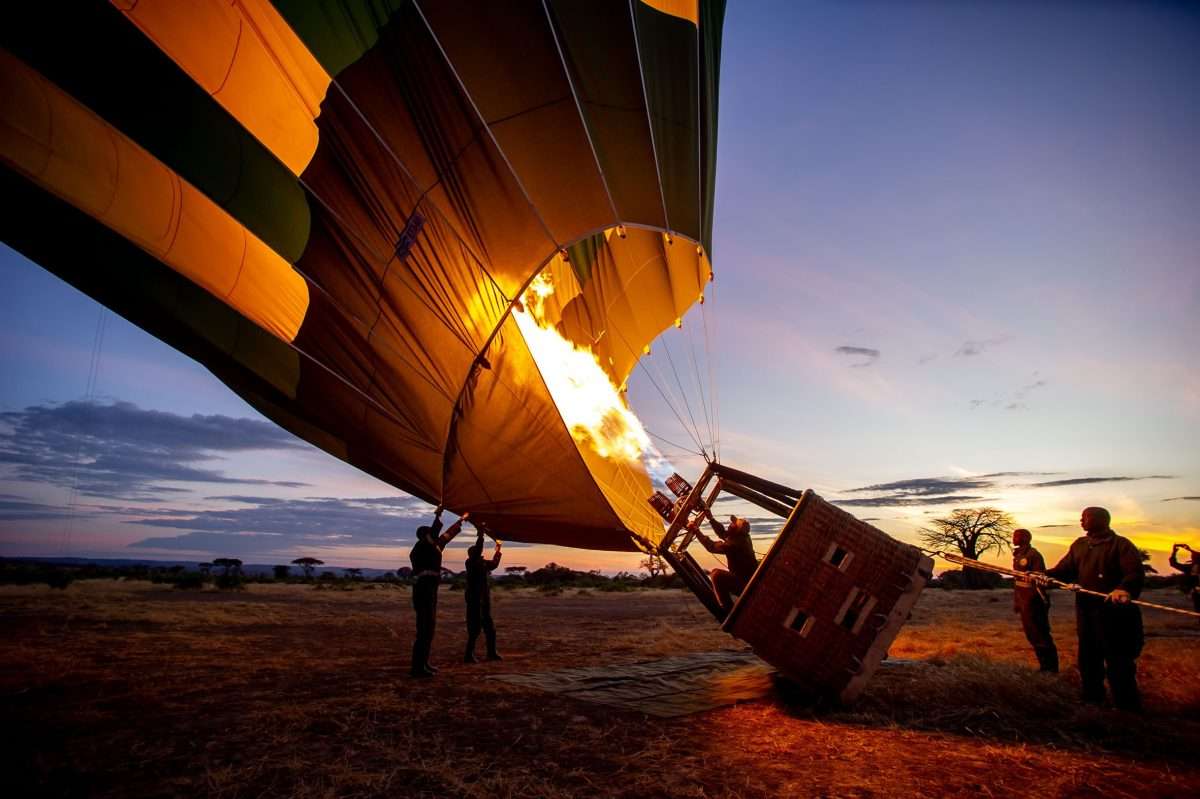
A Balloon Safari in Africa is a magical, serene perspective. Floating silently at dawn over the Serengeti or Maasai Mara as the landscape wakes up below is a bucket-list experience, usually culminating with a champagne breakfast in the bush.
Night Safaris
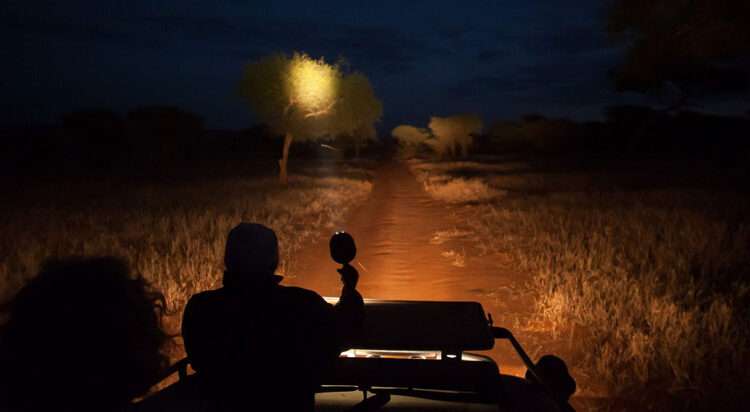
Conducted only in private reserves and conservancies (not national parks). Using a spotlight, your guide will reveal the elusive nocturnal world: hunting leopards, genets, bushbabies, and the fascinating behaviors of animals you only see sleeping during the day.
A Day in the Life: What to Really Expect on Safari
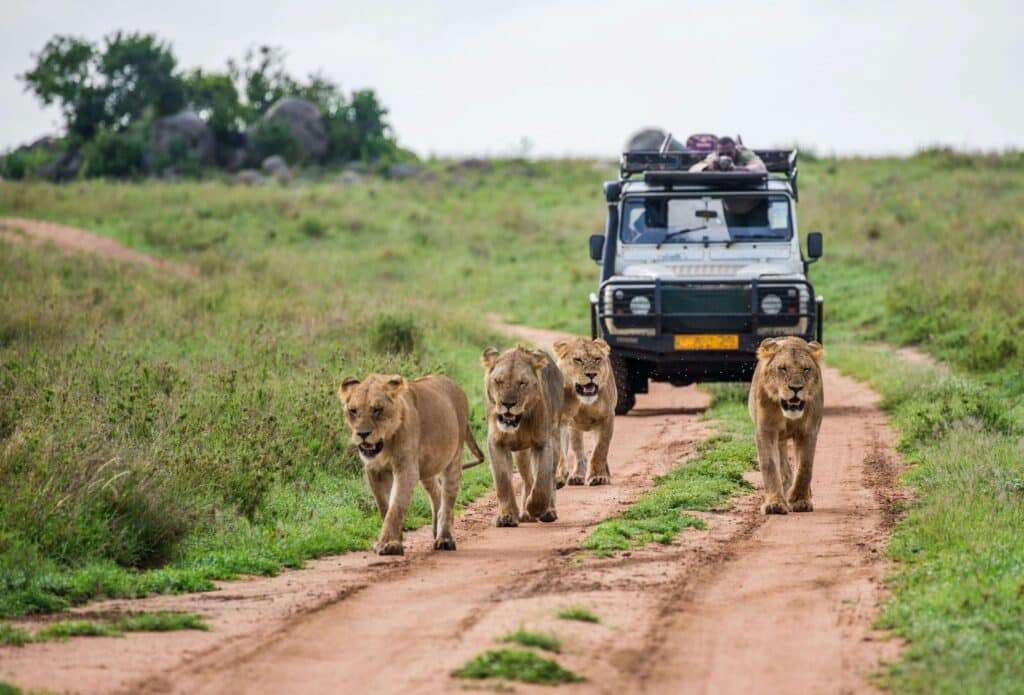
The safari day is beautifully rhythmic, structured around the animals’ routines and the sun’s path.
Pre-Dawn (Around 5:30 AM): A gentle wake-up knock at your door. You’ll dress quickly and gather for a light continental breakfast with coffee, tea, and pastries as the sky lightens.
The Morning Game Drive (6:00 AM – 11:00 AM): The best time for wildlife activity. You head out as the sun rises, the air is cool, and predators may still be on the move. Your guide will be tracking, listening for alarm calls, and following fresh signs. Around mid-morning, you’ll stop for a “bush breakfast” at a scenic spot—a full spread laid out in the wild.
Midday (11:00 AM – 3:30 PM): The “siesta” period. You return to camp during the heat of the day when animals are resting. This is your time to relax by the pool, take a nap, review your photos, or enjoy a leisurely lunch.
Afternoon (3:30 PM onwards): Afternoon tea is served, then it’s time for the evening game drive. This drive often extends through the “golden hour” before sunset—perfect for photography. You might stop for “sundowners” (drinks and snacks) to watch the spectacular African sunset. In private reserves, this drive continues as a night safari with a spotlight.
Evening (7:30 PM onwards): Return to camp under a blanket of stars. Dinner is a social affair, often served under the stars or in a communal dining area, where you’ll share stories of the day’s sightings with other guests before retiring to the sounds of the African night.
Your Safari Team: The Guide, The Vehicle, and Your Lodging
The Safari Guide: Your Key to the Wild

Your guide is the most important element of your safari. A great guide is a tracker, naturalist, storyteller, and protector. They have spent years learning animal behavior, bird calls, plant species, and safety protocols. They don’t just show you animals; they explain the interconnected ecosystem, share insights into conservation challenges, and ensure your safety at all times. Their ability to “read” the bush—interpreting a distant alarm call or a faint track—is what transforms a simple drive into an educational adventure.
The Safari Vehicle:
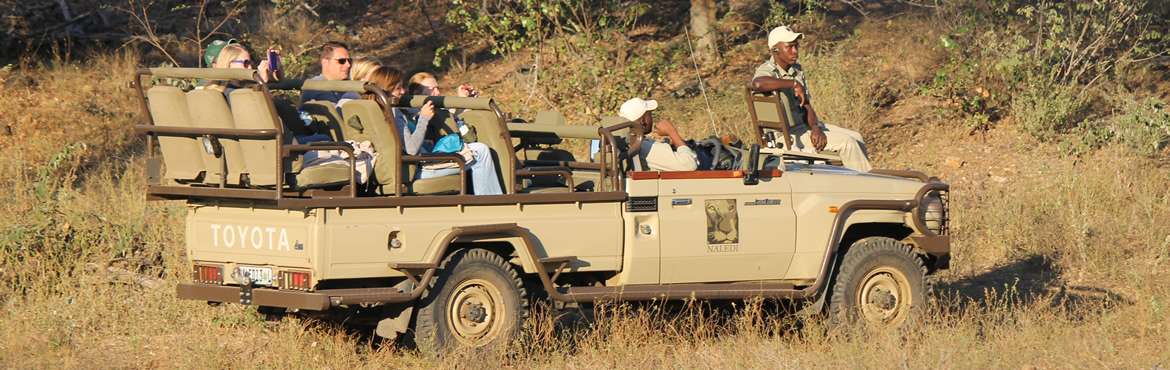
Safari vehicles are specially engineered for the task:
4×4 Capability: For tackling rough, muddy, or sandy tracks.
Open Design: Pop-up roofs or open sides for 360-degree viewing and photography.
Raised Suspension: For better visibility over tall grass.
Radio Communication: To share sightings with other guides (ethically, to prevent overcrowding).
Comfort & Safety: Designed for comfort on long drives, with safety features like roll bars.
Your Safari Home:
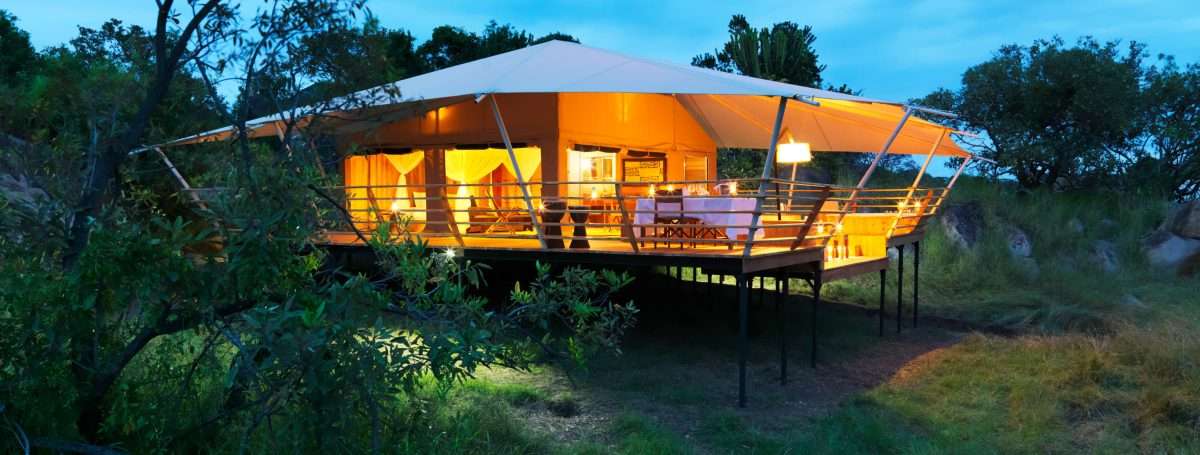
Lodges, Camps, and Unique Stays
Where you stay is part of the adventure.
Safari Lodges: Permanent structures made of stone, wood, or thatch. They offer hotel-like amenities (pools, spas, AC) while blending into the environment. Ideal for those who prefer solid walls and maximum comfort.
Tented Camps: These are not basic camping. They feature spacious, walk-in tents on permanent platforms, with proper beds, elegant furniture, and ensuite bathrooms (often with flush toilets and hot showers). The canvas allows you to hear the sounds of the bush. They offer a perfect blend of adventure and comfort.
Mobile Tented Camps: The most authentic bush experience. These semi-permanent camps move with the seasons or wildlife migrations. They are simpler but incredibly atmospheric, placing you in the heart of the wilderness. You’ll fall asleep to the sounds of lions and hyenas.
Treehouses & Sky Beds: The ultimate in unique accommodations. From luxurious multi-level suites built into ancient trees to simple, romantic platforms raised above the ground, sleeping under the stars with wildlife moving below is an unforgettable experience.
When to Go: Understanding Safari Seasons
Dry Season (Winter): Generally June to October in East and Southern Africa. This is peak wildlife viewing time. With limited water, animals congregate around rivers and waterholes, making them easier to find. Skies are clear, mosquitoes are fewer, but parks are busier and prices are higher.
Green/Wet Season (Summer): November to May. The landscape is lush and green, beautiful for photography. It’s birthing season for many animals, so you’ll see lots of babies. There are fewer tourists and lower prices, but some areas may be muddy, and afternoon showers are common. Birding is exceptional.
Understanding Safari Costs
Safaris are an investment, but they encompass almost everything. Most are all-inclusive, covering accommodation, all meals, drinks (often including house alcohol), twice-daily game drives, park fees, and transfers within the safari.
Budget: ~$200 – $400 per person per day.
Mid-Range: ~$400 – $800 per person per day.
Luxury: ~$800 – $2,000+ per person per day.
International flights, premium alcohol, spa treatments, and gratuities are typically extra.
Making It Meaningful: The Ethics of a Modern Safari
A responsible safari is a force for good. By choosing the right operator, you ensure your journey benefits the wild places and people you visit.
Conservation in Action: Your park fees directly fund anti-poaching patrols, wildlife research, and habitat management. Staying in a community conservancy means your tourism dollars provide an alternative income to poaching or land conversion for local people.
Sustainable Practices: Look for lodges that minimize their environmental footprint through solar power, water recycling, waste reduction, and banning single-use plastics.
Respectful Wildlife Viewing: Always follow your guide’s instructions. Maintain a quiet, respectful distance from animals. Never pressure a guide to get closer for a photo. Your behavior should not alter an animal’s natural activity.
Steps to Planning a Safari
Planning a safari may feel overwhelming at first, especially if it is your first time. However, when broken into clear steps, the process becomes simple and enjoyable. With the right guidance, you can plan a safari that matches your interests, budget, and travel style perfectly.
How to Pick the Right Safari Destination
The first step in planning your safari is choosing where you want to go. Start by thinking about what excites you most. Some travelers dream of wide open savannahs filled with migrating herds, while others prefer lush forests, river landscapes, or intimate wildlife encounters.
Time and budget play an important role here. If you have limited time, certain destinations are easier to reach and explore. If wildlife photography or specific animals are your priority, some countries and national parks are better suited than others.
Once you narrow down the country or region, research the national parks, private reserves, and conservancies within that area. Each park offers a different experience in terms of scenery, wildlife density, and crowd levels.
If you are unsure where to begin, the TourwithPipi team can help you choose the perfect destination based on your travel dates, interests, and comfort level. Reach out for a personalized destination recommendation and start planning with confidence.
Selecting the Right Safari Type and Budget
After choosing your destination, the next step is deciding what kind of safari experience you want. Safaris are not one size fits all, and your choice will shape your entire journey.
You may prefer a classic game drive safari with a professional guide, a walking safari for a closer connection with nature, or a self drive safari if you enjoy independence and flexibility. Some travelers choose luxury lodges and private camps, while others are comfortable with mid range or budget options that still offer excellent wildlife experiences.
Safari costs vary depending on accommodation style, season, park fees, and level of exclusivity. Setting a clear budget early helps narrow down the best options without compromising the experience.
Not sure which safari style suits you best? TourwithPipi can help you match your budget with the right safari type so you get the best value without missing out on what matters most.
Researching Trusted Safari Tour Operators
Choosing the right safari tour operator is one of the most important parts of planning your trip. An experienced and reliable operator ensures your safari is safe, well organized, and enjoyable from start to finish.
Start by checking reviews from past travelers and looking for genuine recommendations. A good tour operator should have strong local knowledge, professional guides, and clear communication. Proper licensing and accreditation are also essential, as they reflect safety standards and ethical practices.
Rather than spending hours comparing options on your own, working with a trusted safari specialist can save time and reduce stress. TourwithPipi works with experienced partners across Africa to ensure every safari meets high standards of safety, comfort, and authenticity.
Planning Your Safari Itinerary
A well planned itinerary makes all the difference between a rushed trip and a memorable safari experience. Your itinerary should balance game drives, rest time, travel distances, and optional activities.
Key details such as the number of nights, park combinations, and travel logistics should be carefully considered. You also need to think about visa requirements, vaccinations, and seasonal weather patterns.
With expert support, these details become easy to manage. TourwithPipi helps design personalized safari itineraries that fit your pace and priorities, so every day feels relaxed and rewarding.
Start planning your custom safari itinerary with TourwithPipi and enjoy a journey designed just for you.
What to Pack for a Safari
Packing correctly ensures your safari is comfortable and stress free. Light, breathable clothing in neutral colours works best for game drives. Comfortable walking shoes, a wide brim hat, sunscreen, and sunglasses are essential for sun protection.
Insect repellent is important, especially in warmer regions. Bring any personal medications, along with copies of prescriptions if required. A small backpack, binoculars, and a camera with extra batteries are also useful items to include.
Always check with your safari operator before packing, as some items may be restricted on light aircraft flights or in certain parks. TourwithPipi provides clear packing guidance tailored to your destination, season, and safari style.
Have questions about what to pack or what to leave behind? Contact TourwithPipi and get a safari packing checklist made just for your trip.
A Brief History of Safaris
For many centuries, Africa attracted people who wanted to explore the wild and hunt big game. In the late 1800s, the first safaris were organised as guided hunting trips across African landscapes.
In the early 1900s, Paul Kruger, the former president of the South African Republic, helped introduce photographic safaris. This allowed people to enjoy wildlife without hunting, simply by observing and taking photos. This idea quickly became popular.
By the mid 20th century, African countries began protecting wildlife through national parks and game reserves. Safari tourism grew alongside conservation efforts, creating a responsible way to explore nature while supporting local communities. Today, safaris range from classic jeep tours to modern luxury experiences, offering travellers unforgettable encounters with wildlife while helping protect it for the future. The word safari comes from the Swahili language and means journey or travel. Today, a safari is usually organised by a tour operator and takes place in protected wildlife areas. Safaris can be enjoyed in many ways, such as game drives, guided walking safaris, boat or canoe safaris, hot air balloon rides, and even horseback safaris.
Final Thoughts: Is a Safari for You?
If you feel a pull towards wild places, if you wonder at nature documentaries, if you seek a journey that engages more than just your sight—then yes, a safari is for you. It is for the curious, the patient, and the awe-struck. It’s not always comfortable or predictable, but it is always real. It’s the laughter shared after a thrilling sighting, the collective silence as a herd of elephants passes, and the profound peace of a million stars over the African bush.
It is, quite simply, a journey that stays with you forever.
Ready to begin planning your own safari story? Our team at TourwithPipi, with our deep roots in East Africa, is here to guide you. Contact us to start the conversation about your perfect wildlife journey.
Summary
The term safari refers to a journey or trip to see wild animals in their natural habitats, such as national parks, game reserves, & wildlife conservancies.
A safari is mainly experienced in Africa, where large protected landscapes allow animals to live freely without cages or enclosures.
Safari travel focuses on wildlife viewing, nature exploration, and conservation rather than entertainment or hunting.
Common safari experiences include game drives, walking safaris, boat safaris, hot air balloon safaris, and self drive safaris.
Popular safari destinations include Kenya, Tanzania, South Africa, Botswana, Zambia, Zimbabwe, Uganda, and Rwanda.
Safari accommodation ranges from lodges and tented camps to eco friendly camps, mobile camps, and tree house stays.
A safari is considered safe and suitable for beginners, families, couples, and senior travelers when guided by professionals.
The purpose of a safari is to experience nature responsibly while supporting wildlife conservation and local communities.


